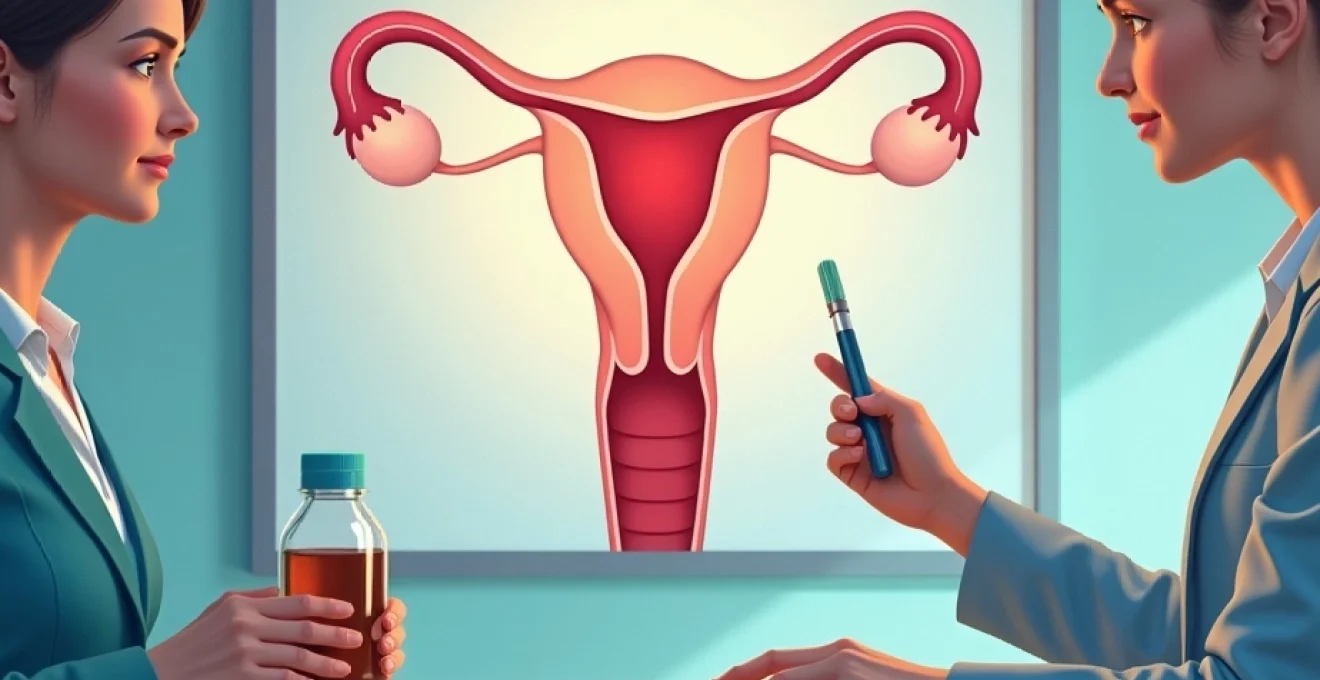
Experiencing cramping after a Pap smear is a remarkably common occurrence that affects approximately 30% of individuals undergoing cervical screening. This discomfort stems from the intricate physiological processes that occur when medical instruments interact with the highly sensitive cervical tissues during sample collection. The cramping sensation you might feel following your screening appointment represents your body’s natural response to the necessary manipulation of cervical structures, rather than an indication of complications or procedural errors. Understanding the underlying mechanisms behind post-Pap smear cramping can help alleviate anxiety and provide reassurance that these symptoms typically resolve within hours to a few days. Modern cervical screening techniques, whilst designed to minimise discomfort, inevitably involve physical contact with delicate reproductive tissues that trigger predictable physiological responses.
Cervical tissue manipulation during speculum insertion and cell collection
The process of cervical screening requires direct physical access to the cervix, necessitating the use of specialised medical instruments that temporarily alter the natural positioning and tension of reproductive tissues. This mechanical manipulation forms the foundation for understanding why cramping occurs following Pap smear procedures.
Speculum-induced cervical distension and muscular response
When a speculum is inserted into the vaginal canal, it creates gentle but significant pressure against the vaginal walls and indirectly affects the cervical position. The speculum’s primary function involves opening the vaginal canal to provide clear visualisation of the cervix, but this process requires the displacement of surrounding tissues. The cervix, which normally sits in a relatively relaxed position within the pelvic cavity, becomes temporarily distended as the speculum creates space around it. This distension activates mechanoreceptors within the cervical stroma, triggering nerve pathways that can manifest as cramping sensations both during and after the procedure.
The muscular tissues surrounding the cervix, including the parametrial ligaments and uterosacral ligaments, respond to this mechanical stress by contracting reflexively. These supportive structures, which normally maintain the cervix in its anatomical position, become temporarily taut during speculum insertion. The resulting muscular tension often persists beyond the duration of the examination, contributing to the cramping sensations that many individuals experience in the hours following their screening appointment.
Cytobrush and spatula pressure on transformation zone
The collection of cervical cells requires direct contact with the transformation zone, the critical area where the majority of cervical abnormalities develop. Healthcare providers use specialised instruments, typically a cytobrush and plastic spatula, to gently scrape cells from both the ectocervix and endocervical canal. This scraping action, whilst performed with considerable care, necessarily involves applying controlled pressure to the cervical surface to ensure adequate cell collection for laboratory analysis.
The transformation zone contains a dense network of sensory nerve endings that respond immediately to mechanical stimulation. When the cytobrush rotates within the endocervical canal or the spatula glides across the cervical surface, these nerve endings transmit signals that can be perceived as discomfort or cramping. The pressure required to obtain sufficient cellular material for accurate cytological examination often exceeds the threshold for activating these sensory pathways, explaining why many individuals experience immediate discomfort during sample collection that may continue afterwards.
Endocervical canal sampling techniques and tissue irritation
Endocervical sampling presents particular challenges due to the narrow diameter of the cervical canal and the delicate nature of the columnar epithelium lining this structure. The cytobrush must be inserted approximately 1-2 centimetres into the endocervical canal and rotated to collect adequate cellular material from the squamocolumnar junction. This mechanical action inevitably causes microscopic trauma to the endocervical surface, triggering localised inflammatory responses.
The endocervical epithelium is significantly more fragile than the ectocervical squamous epithelium, making it particularly susceptible to mechanical irritation during sampling procedures. When the cytobrush contacts these delicate tissues, it can cause minor abrasions that stimulate inflammatory mediator release. These inflammatory chemicals, including prostaglandins and cytokines, contribute to the cramping sensation by sensitising local nerve endings and promoting smooth muscle contractions in the surrounding uterine tissue.
Cervical os dilation effects during sample acquisition
The cervical os, the opening between the cervical canal and the uterine cavity, undergoes subtle changes during the sampling process that can contribute to post-procedure cramping. Although significant dilation doesn’t occur during routine Pap smear procedures, the insertion of sampling instruments can cause temporary expansion of this naturally narrow opening. This expansion triggers stretch receptors within the cervical wall, activating neural pathways similar to those involved in uterine contractions during menstruation.
The cervical os contains smooth muscle fibres that respond to mechanical stimulation by contracting reflexively. These contractions serve as a protective mechanism to prevent foreign material from entering the uterine cavity, but they can also generate cramping sensations that persist after instrument removal. The intensity of these contractions varies considerably between individuals, influenced by factors such as cervical anatomy, hormonal status, and previous obstetric history.
Physiological mechanisms behind Post-Pap smear uterine contractions
The cramping experienced after cervical screening involves complex physiological processes that extend beyond the immediate mechanical effects of instrument insertion. Understanding these underlying mechanisms provides insight into why symptoms may persist for several hours or days following the procedure and helps distinguish normal responses from concerning symptoms that require medical attention.
Prostaglandin release following cervical stimulation
Mechanical stimulation of cervical tissues during Pap smear procedures triggers the release of prostaglandins, powerful inflammatory mediators that play crucial roles in pain perception and smooth muscle contraction. These lipid compounds are synthesised rapidly following tissue trauma, even the minor trauma associated with routine cervical sampling. Prostaglandin E2 and prostaglandin F2α are particularly relevant in this context, as they directly influence uterine smooth muscle contractility and sensitise peripheral nociceptors.
The release of prostaglandins occurs within minutes of cervical manipulation and can continue for several hours afterwards, explaining why cramping often intensifies in the period immediately following a Pap smear. These compounds not only cause direct pain but also amplify the sensitivity of nerve endings to other stimuli, creating a heightened state of awareness to normal physiological processes. The prostaglandin-mediated response represents an adaptive mechanism designed to promote healing, but it inevitably results in temporary discomfort for the patient.
Research indicates that prostaglandin levels can remain elevated for up to 24 hours following minor cervical procedures, correlating closely with the duration of cramping symptoms reported by most patients.
Autonomic nervous system response to gynaecological examination
Gynaecological examinations, including Pap smear procedures, activate both sympathetic and parasympathetic branches of the autonomic nervous system, creating complex physiological responses that extend well beyond the immediate examination period. The sympathetic nervous system responds to the perceived stress of the procedure by releasing catecholamines, which can influence smooth muscle tone throughout the pelvic region. Simultaneously, the parasympathetic system may trigger protective reflexes designed to limit further cervical manipulation.
This autonomic activation can manifest as various symptoms beyond cramping, including changes in heart rate, blood pressure fluctuations, and alterations in digestive function. The pelvic organs, which receive extensive autonomic innervation, may continue to exhibit altered function for several hours following the examination. Some individuals experience increased urinary frequency, mild nausea, or generalised pelvic discomfort as components of this broader autonomic response pattern.
Myometrial contractility changes after cervical manipulation
The uterine smooth muscle, or myometrium, demonstrates remarkable sensitivity to cervical stimulation due to well-established neural and hormonal connections between these structures. Mechanical manipulation of the cervix during Pap smear procedures can trigger coordinated myometrial contractions similar to those experienced during menstruation, albeit typically of lesser intensity and shorter duration. These contractions represent a normal physiological response to cervical stimulation and serve important protective functions.
The pattern of myometrial contractility following cervical manipulation varies according to several factors, including the phase of the menstrual cycle, hormonal contraceptive use, and individual anatomical variations. During the follicular phase of the menstrual cycle, when oestrogen levels are rising, the myometrium tends to be more responsive to mechanical stimuli. Conversely, during the luteal phase, when progesterone predominates, the uterine muscle may exhibit reduced contractile responses to cervical manipulation.
Inflammatory cascade activation in cervical epithelium
The minor tissue trauma associated with cervical cell collection initiates a predictable inflammatory cascade within the cervical epithelium, contributing to both immediate and delayed cramping sensations. This inflammatory response begins with the activation of tissue macrophages and the release of pro-inflammatory cytokines, including interleukin-1β and tumor necrosis factor-α. These signalling molecules coordinate the local immune response to tissue injury whilst simultaneously sensitising pain receptors in the surrounding area.
The inflammatory process serves essential functions in promoting tissue healing and preventing infection, but it inevitably generates uncomfortable symptoms as side effects. Vasodilation occurs within the cervical capillary bed, leading to localised swelling and increased pressure on nerve endings. This combination of chemical sensitisation and mechanical pressure creates the cramping sensation that many individuals experience for 12-48 hours following their screening appointment. The resolution of inflammation parallels the gradual decrease in cramping intensity, typically occurring over 2-3 days.
Individual risk factors influencing Post-Procedure cramping severity
The intensity and duration of cramping following Pap smear procedures vary dramatically between individuals, influenced by a complex interplay of anatomical, hormonal, and psychological factors. Understanding these variables helps healthcare providers anticipate which patients may require additional support or pain management strategies following their screening appointments.
Age represents a significant factor in determining cramping severity, with younger individuals often experiencing more intense discomfort due to tighter cervical anatomy and increased tissue sensitivity. Nulliparous women (those who have never given birth) typically report stronger cramping sensations compared to multiparous women, whose cervices have been naturally dilated during previous deliveries. The cervical os in nulliparous women measures approximately 2-3mm in diameter, requiring greater force to insert sampling instruments compared to the 7-8mm opening commonly found in women who have delivered vaginally.
Hormonal status profoundly influences cervical tissue characteristics and pain sensitivity. Women using combined hormonal contraceptives often experience reduced cramping due to the suppressive effects of synthetic hormones on natural cyclical changes. Conversely, individuals experiencing perimenopause or postmenopause may encounter increased discomfort due to decreased oestrogen levels, which reduce cervical mucus production and tissue elasticity. These hormonal changes can make the cervix more fragile and sensitive to mechanical manipulation.
Pre-existing medical conditions significantly impact cramping severity and duration. Individuals with endometriosis frequently report intense post-procedure pain due to heightened pelvic sensitivity and potential adhesions that restrict normal tissue mobility. Similarly, those with chronic pelvic pain conditions, fibromyalgia, or generalised anxiety disorders may experience amplified pain responses to routine procedures. Cervical stenosis , whether congenital or acquired, can make instrument insertion more challenging and increase the likelihood of significant post-procedure cramping.
Psychological factors, including anxiety levels and previous traumatic medical experiences, substantially influence pain perception and cramping intensity. The stress response triggered by examination anxiety can heighten pain sensitivity and prolong the duration of uncomfortable symptoms. Research demonstrates that individuals who report high levels of pre-procedure anxiety experience cramping that is both more intense and longer-lasting compared to those who approach the examination with minimal stress. This psychological component emphasises the importance of comprehensive patient preparation and support during cervical screening procedures.
Differentiation between normal cramping and pathological pain responses
Distinguishing between expected post-Pap smear cramping and symptoms that warrant immediate medical attention requires careful consideration of pain characteristics, associated symptoms, and temporal patterns. Normal cramping typically exhibits specific features that healthcare providers can use to reassure patients and guide appropriate management strategies.
Physiological cramping following cervical screening usually begins during or immediately after the procedure and gradually diminishes over 24-48 hours. The pain quality resembles mild to moderate menstrual cramps, described as a dull, aching sensation localised to the lower abdomen and pelvis. Normal cramping intensity should not interfere significantly with daily activities and typically responds well to over-the-counter analgesics such as ibuprofen or paracetamol. The absence of fever, unusual vaginal discharge, or progressively worsening pain supports a diagnosis of physiological response rather than pathological complication.
Pathological pain responses, whilst uncommon, require immediate medical evaluation to prevent serious complications. Severe cramping that intensifies rather than improves over time may indicate cervical trauma, uterine perforation, or the development of infection. Pain that radiates to the shoulders or causes significant nausea and vomiting suggests possible intraperitoneal bleeding, a rare but serious complication. Additionally, cramping accompanied by heavy vaginal bleeding, foul-smelling discharge, or fever exceeding 38°C warrants urgent medical assessment.
| Normal Cramping | Pathological Pain |
|---|---|
| Gradual onset, peaks within 2-4 hours | Sudden onset or progressively worsening |
| Mild to moderate intensity (1-5/10) | Severe intensity (7-10/10) |
| Responds to simple analgesics | Unresponsive to pain medication |
| Resolves within 48 hours | Persists beyond 72 hours |
| No associated fever or discharge | Fever, unusual bleeding, or discharge |
The timing of symptom onset provides valuable diagnostic information for distinguishing normal from abnormal responses. Physiological cramping typically begins during instrument insertion and may intensify slightly in the first few hours before gradually subsiding. Delayed onset of severe pain, particularly pain that develops 12-24 hours after the procedure, raises concerns about secondary complications such as infection or delayed bleeding from cervical trauma. Healthcare providers should educate patients about these warning signs and provide clear instructions for seeking emergency care when necessary.
Individual pain tolerance significantly influences the interpretation of cramping severity, making it essential to consider each patient’s baseline pain sensitivity and previous experiences with gynaecological procedures. Some individuals may describe normal physiological responses as severe pain due to low pain tolerance, whilst others may minimise concerning symptoms due to high pain thresholds. Effective communication between healthcare providers and patients about expected symptoms and concerning warning signs helps ensure appropriate response to both normal and pathological post-procedure experiences.
Evidence-based pain management strategies for Post-Pap discomfort
Effective management of post-Pap smear cramping relies on evidence-based interventions that address both the physiological mechanisms underlying pain and the psychological factors that can amplify discomfort. Contemporary research supports a multimodal approach to pain management that combines pharmaceutical interventions with non-pharmacological techniques to optimise patient comfort and satisfaction.
Non-steroidal anti-inflammatory drugs (NSAIDs) represent the first-line pharmaceutical intervention for managing post-procedure cramping due to their dual mechanism of action in reducing both inflammation and pain perception. Ibuprofen, administered at doses of 400-600mg every 6-8 hours, effectively blocks prostaglandin synthesis whilst providing analgesic effects that specifically target the inflammatory component of post-Pap smear discomfort. Research demonstrates that pre-emptive NSAID administration, given 30-60 minutes before the procedure, can significantly reduce both the intensity and duration of subsequent cramping episodes.
Heat therapy provides substantial symptomatic relief through multiple physiological mechanisms, including improved local blood flow, muscle relaxation, and activation of non-nociceptive sensory pathways that can override pain signals. Topical heat application using heating pads, warm baths, or heat wraps maintained at temperatures between 40-45°C for 15-20 minute intervals demonstrates consistent efficacy in reducing cramping intensity. The heat-induced vasodilation helps resolve local inflammation more rapidly whilst the warming sensation provides immediate comfort through gate control mechanisms in spinal pain processing pathways.
- Apply heat therapy for 15
-20 minute sessions to lower abdominal and pelvic areas
Relaxation techniques and breathing exercises offer valuable adjunctive benefits for managing post-Pap smear discomfort, particularly for individuals whose cramping may be exacerbated by anxiety or muscle tension. Deep diaphragmatic breathing helps activate the parasympathetic nervous system, counteracting the stress response that can amplify pain perception. Progressive muscle relaxation, where patients systematically tense and release different muscle groups, can reduce overall pelvic floor tension that contributes to cramping sensations.
Gentle physical activity, contrary to common assumptions about rest being optimal, can actually facilitate faster resolution of post-procedure cramping through improved pelvic circulation and endorphin release. Light walking or gentle stretching promotes blood flow to the pelvic region, helping to clear inflammatory mediators more efficiently whilst preventing the muscle stiffness that can develop from prolonged immobility. However, vigorous exercise should be avoided for 24-48 hours to prevent exacerbation of any minor cervical trauma.
Positioning strategies can provide significant comfort improvements for individuals experiencing post-Pap smear cramping. The knee-to-chest position, achieved by lying supine and drawing both knees toward the chest, helps relax pelvic muscles and may reduce cramping intensity. Similarly, lying on one’s side with knees bent in a modified fetal position can alleviate pressure on the lower back and pelvis. Some individuals find relief through gentle pelvic tilting exercises performed whilst lying down, which can help release tension in the surrounding musculature.
Hydration plays a crucial yet often overlooked role in managing post-procedure discomfort. Adequate fluid intake supports the body’s natural anti-inflammatory processes and helps maintain optimal blood flow to healing tissues. Herbal teas containing chamomile or ginger may provide additional anti-inflammatory benefits whilst contributing to overall relaxation. However, caffeine should be consumed moderately, as excessive intake can potentially increase anxiety and muscle tension that may worsen cramping symptoms.
Clinical studies indicate that patients employing combination pain management strategies report 40-60% greater satisfaction with their post-Pap smear recovery experience compared to those using single interventions alone.
The timing of pain management interventions significantly influences their effectiveness in addressing post-Pap smear cramping. Proactive pain management, initiated before cramping becomes severe, proves more effective than reactive approaches that attempt to control established pain. Healthcare providers should counsel patients to begin appropriate interventions immediately following their screening appointment, rather than waiting for symptoms to intensify. This proactive approach can prevent the amplification of pain signals that occurs when discomfort is allowed to escalate unchecked.
Complementary therapies, whilst requiring further research validation, show promising results in managing gynaecological procedure-related discomfort. Acupressure applied to specific points, particularly the P6 point on the wrist and the SP6 point on the lower leg, may help reduce cramping through neural pathway modulation. Some patients report benefit from aromatherapy using lavender or peppermint oils, which may provide relaxation benefits that indirectly reduce pain perception. However, these complementary approaches should supplement, rather than replace, proven pain management strategies.
Individual response to pain management interventions varies considerably, necessitating personalised approaches that account for patient preferences, medical history, and contraindications. Patients with histories of gastrointestinal issues may require alternatives to NSAIDs, such as acetaminophen combined with heat therapy and relaxation techniques. Those with heat sensitivity or certain medical conditions may benefit more from cold therapy applications or purely pharmaceutical approaches. The key lies in providing patients with multiple evidence-based options and supporting them in identifying the most effective combination for their individual circumstances.
Long-term considerations for individuals who experience significant post-Pap smear cramping include discussing strategies with healthcare providers to minimise discomfort during future screening appointments. This might involve scheduling procedures during specific phases of the menstrual cycle when cervical sensitivity is reduced, pre-medication with NSAIDs, or employing relaxation techniques during the examination itself. Understanding that cramping following cervical screening represents a normal physiological response empowers patients to manage symptoms confidently whilst maintaining their commitment to regular cervical cancer screening programmes.