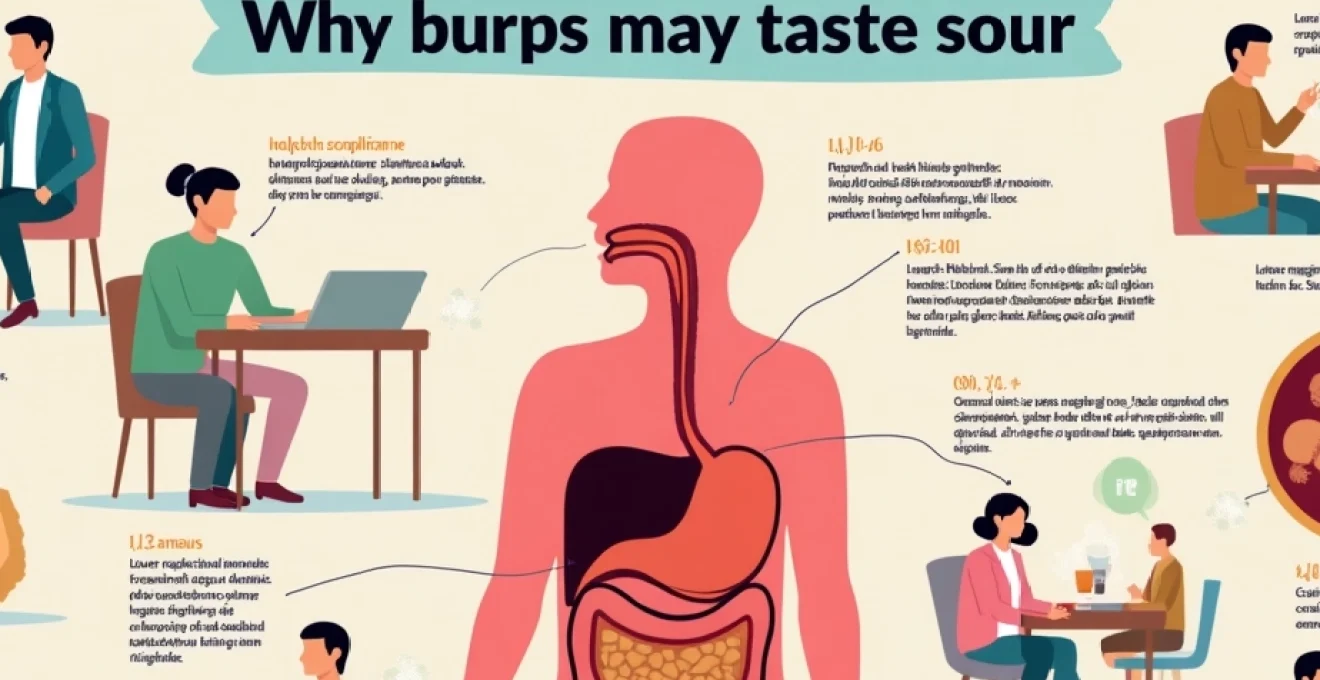
The distinctive sour taste accompanying certain burps can be both uncomfortable and concerning for many individuals. This unpleasant sensation typically results from stomach acid and digestive contents travelling upward through the oesophagus, creating an acidic flavour that lingers in the mouth. Understanding the underlying mechanisms behind sour-tasting burps is crucial for identifying potential digestive issues and implementing appropriate management strategies.
Several physiological processes contribute to the development of sour burps, ranging from simple dietary factors to complex gastrointestinal disorders. The interplay between gastric acid production, oesophageal sphincter function, and bacterial activity within the digestive tract creates a delicate balance that, when disrupted, can result in the characteristic acidic taste many people experience during burping episodes.
Gastroesophageal reflux disease and acid regurgitation mechanisms
Gastroesophageal reflux disease (GORD) represents the primary cause of sour-tasting burps, affecting millions of individuals worldwide. This condition occurs when stomach contents, including hydrochloric acid and partially digested food, flow backward into the oesophagus. The resulting water brash phenomenon involves excessive saliva production as the body attempts to neutralise the acidic environment, creating a mixture of stomach acid and saliva that produces the characteristic sour taste.
The mechanisms underlying GORD involve multiple physiological disruptions that compromise the natural barrier between the stomach and oesophagus. When functioning properly, the digestive system maintains strict compartmentalisation, preventing gastric contents from ascending into the upper digestive tract. However, various factors can disrupt this protective mechanism, leading to acid regurgitation and the subsequent sour taste experience.
Lower oesophageal sphincter dysfunction in GORD patients
The lower oesophageal sphincter (LES) serves as a critical muscular valve that controls the passage of food into the stomach whilst preventing backward flow of gastric contents. In healthy individuals, this sphincter maintains adequate tone to create an effective barrier against acid reflux. However, when the LES becomes weakened, injured, or overly relaxed, stomach acid can slip past this protective mechanism, resulting in the characteristic burning sensation and sour taste associated with reflux episodes.
Several factors contribute to LES dysfunction, including anatomical abnormalities, medication effects, and lifestyle choices. Hiatal hernias , where part of the stomach protrudes through the diaphragmatic opening, can significantly compromise sphincter function. Additionally, certain medications such as calcium channel blockers and nitrates can reduce LES pressure, whilst lifestyle factors including obesity, smoking, and dietary choices can further exacerbate sphincter weakness.
Hydrochloric acid backflow from gastric fundus
The stomach produces approximately 1.5 to 3.5 litres of gastric juice daily, with hydrochloric acid concentration ranging from 0.1 to 0.16 molar. This highly acidic environment, maintained at a pH between 1.5 and 2.0, is essential for protein digestion and bacterial sterilisation. However, when this potent acid mixture refluxes into the oesophagus, it creates immediate discomfort and the distinctive sour taste that characterises acid reflux episodes.
The gastric fundus, located in the upper portion of the stomach, often serves as the primary source of acid backflow during reflux episodes. This anatomical region contains the highest concentration of parietal cells responsible for acid production. When intragastric pressure increases or LES function becomes compromised, the acidic contents from this region are most likely to ascend into the oesophagus, creating the sour-tasting burps that many individuals experience.
Pepsin enzyme activity in oesophageal refluxate
Beyond hydrochloric acid, gastric refluxate contains various digestive enzymes, most notably pepsin, which contributes to the complex taste profile of sour burps. Pepsin remains active at pH levels as high as 6.5, meaning it continues to function even when gastric contents are partially neutralised by saliva or oesophageal secretions. This proteolytic enzyme can cause additional tissue irritation and contribute to the persistent sour taste that may linger long after the initial reflux episode.
The presence of pepsin in oesophageal refluxate also explains why some individuals experience a more complex, bitter-sour taste rather than purely acidic sensations. Research indicates that pepsin detection in oesophageal tissue correlates strongly with reflux severity and symptom frequency, suggesting its role extends beyond simple taste alteration to actual tissue damage and inflammation.
Transient lower oesophageal sphincter relaxations (TLESRs)
Transient lower oesophageal sphincter relaxations represent a normal physiological mechanism that allows gas to escape from the stomach during burping. However, in individuals prone to reflux, these relaxations can become pathological, lasting longer than normal and allowing significant amounts of acidic gastric contents to enter the oesophagus. TLESRs account for approximately 90% of reflux episodes in healthy individuals and virtually all episodes in GORD patients.
The frequency and duration of TLESRs increase in response to various triggers, including gastric distension, certain foods, and postural changes. Carbonated beverages and large meals particularly predispose individuals to prolonged TLESRs, explaining why sour burps often occur in these contexts. Understanding this mechanism helps explain why dietary modifications can significantly impact the frequency and severity of sour-tasting burps.
Bacterial overgrowth and fermentation processes in upper digestive tract
Bacterial activity within the upper digestive tract plays a significant role in creating the conditions that lead to sour-tasting burps. The human stomach typically maintains a relatively sterile environment due to its acidic nature, but various factors can disrupt this balance, allowing bacterial colonisation and subsequent fermentation processes. These microbial activities produce organic acids and other metabolites that contribute to the sour taste experienced during burping episodes.
The relationship between bacterial overgrowth and sour burps is particularly evident in conditions where gastric acid production is reduced or when normal gastric emptying is delayed. Proton pump inhibitor use, while effective for treating acid reflux symptoms, can paradoxically create conditions favourable for bacterial proliferation by reducing stomach acidity. This bacterial activity generates various organic acids, including lactic acid and short-chain fatty acids, which contribute to the complex sour taste profile many patients describe.
Helicobacter pylori colonisation and metabolic byproducts
Helicobacter pylori infection affects approximately 50% of the global population and represents one of the most significant bacterial factors contributing to sour burps. This spiral-shaped bacterium has uniquely adapted to survive in the harsh gastric environment by producing urease enzyme, which neutralises surrounding acid and creates alkaline microenvironments. However, the metabolic byproducts of H. pylori colonisation include various organic acids and volatile compounds that can produce distinctive taste sensations during burping.
The presence of H. pylori also disrupts normal gastric physiology, leading to altered acid production patterns and delayed gastric emptying. These changes create conditions conducive to further bacterial growth and fermentation processes. Studies indicate that H. pylori-positive individuals report more frequent episodes of sour burps and related digestive symptoms compared to uninfected populations, highlighting the significant impact of this bacterial infection on upper digestive tract function.
Small intestinal bacterial overgrowth (SIBO) pathophysiology
Small intestinal bacterial overgrowth represents another important mechanism contributing to sour burps, particularly in individuals with compromised intestinal motility or structural abnormalities. SIBO occurs when colonic bacteria migrate proximally into the small intestine, where they ferment undigested carbohydrates and produce various organic acids. These acidic metabolites can reflux into the stomach and subsequently the oesophagus, contributing to the sour taste experienced during burping.
The fermentation products associated with SIBO include D-lactate, short-chain fatty acids, and various volatile organic compounds. When these substances reach the upper digestive tract through retrograde flow or during episodes of gastroparesis, they create a complex acidic environment that produces the characteristic sour taste. SIBO-related sour burps often occur in conjunction with other symptoms such as bloating, abdominal pain, and altered bowel habits.
Lactobacillus and streptococcus species fermentation patterns
Specific bacterial species, particularly Lactobacillus and Streptococcus strains, demonstrate characteristic fermentation patterns that significantly influence the taste profile of digestive gases and refluxate. Lactobacillus species are prolific lactic acid producers, creating highly acidic microenvironments within the digestive tract. When these bacteria proliferate in the upper digestive tract due to reduced gastric acidity or delayed emptying, their metabolic products contribute substantially to sour-tasting burps.
Streptococcus species, particularly S. salivarius and S. mutans, produce complex mixtures of organic acids through carbohydrate fermentation. These bacteria can colonise the oral cavity, oesophagus, and stomach under appropriate conditions, creating multiple sites of acid production throughout the upper digestive tract. The resulting acidic environment not only contributes to sour burps but can also perpetuate conditions favourable for continued bacterial overgrowth and fermentation activities.
Volatile fatty acid production in gastric environment
The production of volatile fatty acids (VFAs) through bacterial fermentation represents a key mechanism underlying sour burps in individuals with altered gastric conditions. Short-chain fatty acids, including acetate, propionate, and butyrate, are produced when bacteria ferment undigested carbohydrates and dietary fiber. Whilst these compounds typically remain in the colon, altered gastric motility or bacterial overgrowth can lead to their presence in the upper digestive tract.
Acetate production is particularly relevant to sour burp development, as this volatile fatty acid readily evaporates and can be detected during burping episodes. The concentration of VFAs in gastric contents correlates with the severity of associated symptoms, including the intensity of sour taste perception. Understanding VFA production patterns helps explain why certain dietary modifications, particularly those reducing fermentable substrates, can significantly improve sour burp frequency and intensity.
Dietary triggers and gastric ph alterations
Dietary choices profoundly influence the development of sour-tasting burps through multiple mechanisms involving gastric pH alterations, digestive timing, and chemical composition of gastric contents. Certain foods and beverages directly stimulate acid production, whilst others alter gastric emptying patterns or promote bacterial fermentation activities. Understanding these dietary relationships enables targeted interventions that can significantly reduce the frequency and severity of sour burp episodes.
The timing and composition of meals play crucial roles in determining gastric pH fluctuations throughout the day. Large, high-fat meals require extended gastric residence time for proper digestion, creating prolonged periods of elevated intragastric pressure and increased likelihood of reflux episodes. Spicy foods and acidic beverages can directly lower gastric pH, whilst carbonated drinks introduce additional gas that must be expelled through burping, potentially carrying acidic gastric contents with it.
Research indicates that certain food combinations create particularly favourable conditions for sour burp development. The simultaneous consumption of high-protein foods with acidic beverages can create an especially low gastric pH environment, whilst the addition of carbonated drinks to heavy meals increases both intragastric pressure and the likelihood of experiencing sour-tasting reflux during subsequent burping episodes.
The relationship between dietary choices and sour burp development extends beyond simple acid production to encompass complex interactions between food chemistry, bacterial metabolism, and digestive physiology.
Specific dietary triggers demonstrate consistent associations with sour burp development across diverse populations. Citrus fruits and tomato-based products contribute direct acidity to gastric contents, whilst chocolate and caffeine can relax the lower oesophageal sphincter, promoting reflux episodes. Alcohol consumption presents a dual mechanism, both stimulating acid production and compromising sphincter function, making it a particularly potent trigger for individuals prone to sour burps.
Hiatal hernia and anatomical predisposition factors
Hiatal hernias represent significant anatomical abnormalities that predispose individuals to frequent sour-tasting burps through mechanical disruption of normal anti-reflux mechanisms. This condition occurs when part of the stomach protrudes through the diaphragmatic hiatus into the thoracic cavity, fundamentally altering the geometric relationship between the stomach, lower oesophageal sphincter, and diaphragm. The resulting anatomical changes compromise the body’s natural barriers against gastroesophageal reflux, leading to increased frequency and severity of acid regurgitation episodes.
The prevalence of hiatal hernias increases significantly with age, affecting up to 60% of individuals over 50 years old. These anatomical changes create a mechanical advantage for gastric contents to reflux into the oesophagus, particularly during activities that increase intra-abdominal pressure such as coughing, bending, or straining. Sliding hiatal hernias , the most common type, allow the gastroesophageal junction to migrate freely between abdominal and thoracic positions, creating intermittent but significant reflux episodes that often manifest as sour-tasting burps.
The relationship between hiatal hernias and sour burp development involves multiple pathophysiological mechanisms beyond simple anatomical displacement. The altered position of the stomach affects normal gastric emptying patterns, leading to prolonged food residence time and increased fermentation opportunities. Additionally, the compromised lower oesophageal sphincter function associated with hiatal hernias allows easier retrograde flow of gastric contents, particularly during postural changes or increased abdominal pressure situations.
Anatomical factors contributing to sour burp development often require comprehensive evaluation and may necessitate both conservative management strategies and, in severe cases, surgical intervention to restore normal anti-reflux mechanisms.
Other anatomical predisposition factors include congenital abnormalities of the gastroesophageal junction, acquired stenoses or strictures, and previous surgical interventions that may have altered normal anatomy. Obesity represents an increasingly important anatomical risk factor, as excess abdominal adipose tissue increases intragastric pressure and promotes hiatal hernia development. The mechanical effects of increased abdominal pressure, combined with the metabolic effects of adipose tissue on digestive hormones, create multifactorial predisposition to sour burp development in overweight individuals.
Pharmaceutical interventions and proton pump inhibitor efficacy
Pharmaceutical interventions for managing sour-tasting burps primarily focus on reducing gastric acid production, enhancing gastric motility, and addressing underlying bacterial overgrowth conditions. Proton pump inhibitors (PPIs) represent the cornerstone of medical therapy, demonstrating remarkable efficacy in reducing gastric acid production by up to 90% when used appropriately. These medications irreversibly bind to the hydrogen-potassium ATPase enzyme system in gastric parietal cells, effectively blocking the final step in acid production and creating a less acidic gastric environment that reduces the severity of sour-tasting reflux episodes.
The clinical effectiveness of PPI therapy varies significantly among individuals, with response rates ranging from 70% to 95% depending on the underlying pathophysiology and appropriate medication selection. Omeprazole , lansoprazole, and esomeprazole represent commonly prescribed options, each with slightly different pharmacokinetic profiles that may influence individual response patterns. The optimal timing of PPI administration, typically 30-60 minutes before the first meal of the day, maximises therapeutic effectiveness by ensuring adequate drug absorption and enzyme binding during the postprandial acid production surge.
Beyond acid suppression, comprehensive pharmaceutical management often requires combination therapy approaches addressing multiple aspects of digestive dysfunction. Prokinetic agents such as domperidone can enhance gastric emptying and reduce the likelihood of gastric stasis that contributes to bacterial overgrowth and fermentation processes. Antibiotic therapy targeting H. pylori infection or SIBO may be necessary in specific cases where bacterial overgrowth represents the primary mechanism underlying sour burp development.
Alternative pharmaceutical approaches include histamine H2 receptor antagonists, which provide moderate acid suppression through a different mechanism than PPIs. Medications such as ranitidine and famotidine may be appropriate for individuals who experience inadequate response to or cannot tolerate PPI therapy. These agents typically provide 4-10 hours of acid suppression and may be particularly useful for managing nighttime symptoms or breakthrough episodes during P
PI therapy. The selection of appropriate pharmaceutical interventions requires careful consideration of individual patient factors, including symptom severity, underlying pathophysiology, and potential drug interactions.
Long-term PPI therapy raises important considerations regarding potential side effects and physiological adaptations. Extended acid suppression can lead to compensatory gastrin elevation, which may paradoxically increase acid production when medications are discontinued. Additionally, prolonged PPI use has been associated with increased risk of gastric bacterial overgrowth, vitamin B12 deficiency, and altered calcium absorption patterns. These considerations necessitate periodic reassessment of treatment necessity and exploration of alternative management strategies when appropriate.
Combination therapy approaches often demonstrate superior efficacy compared to monotherapy regimens, particularly in cases where multiple pathophysiological mechanisms contribute to sour burp development. The integration of acid suppression with prokinetic agents addresses both the chemical and mechanical aspects of reflux pathophysiology. Alginate-based preparations provide additional mechanical barrier protection by forming protective rafts that float on gastric contents, reducing the likelihood of acidic material reaching the oesophagus during reflux episodes.
Recent pharmaceutical developments include novel potassium-competitive acid blockers (P-CABs) such as vonoprazan, which demonstrate faster onset of action and more consistent acid suppression compared to traditional PPIs. These agents may prove particularly beneficial for individuals experiencing breakthrough symptoms or requiring rapid symptom control. The reversible binding mechanism of P-CABs also offers potential advantages in terms of dosing flexibility and reduced risk of long-term physiological adaptations associated with irreversible enzyme inhibition.
Pharmaceutical management of sour-tasting burps requires individualised treatment approaches that address the specific underlying mechanisms while considering long-term safety and efficacy profiles of selected interventions.
The emergence of personalised medicine approaches in gastroenterology offers promising avenues for optimising pharmaceutical interventions based on individual genetic polymorphisms affecting drug metabolism and response patterns. Cytochrome P450 genetic variations significantly influence PPI metabolism rates, explaining the substantial inter-individual variability in therapeutic response observed in clinical practice. Understanding these pharmacogenomic relationships enables more precise medication selection and dosing strategies that maximise therapeutic benefits while minimising adverse effects and treatment failures.