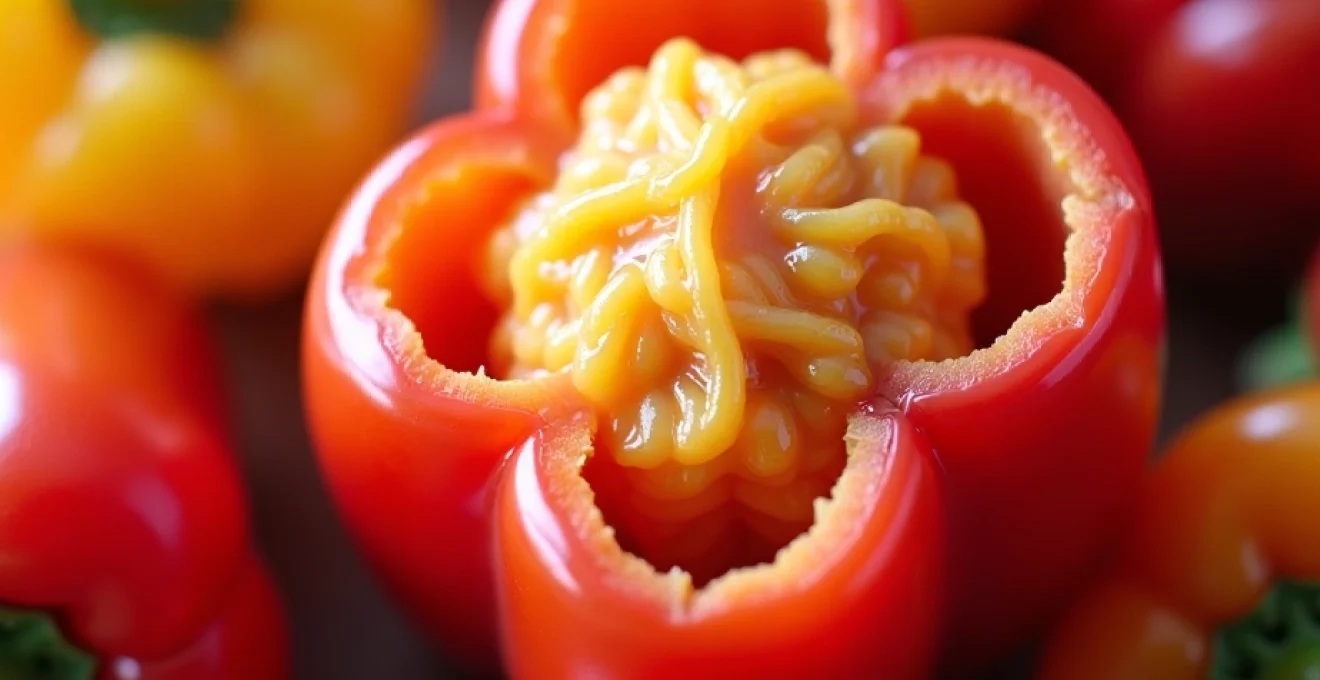
Bell peppers frequently appear as recognisable fragments in stool, causing understandable concern for many individuals who observe these colourful remnants during bowel movements. This phenomenon occurs due to the unique structural composition of Capsicum annuum and the limitations of human digestive processes when encountering certain plant materials. The appearance of bell pepper fragments in faecal matter represents a normal digestive outcome rather than a pathological condition, stemming from the vegetable’s robust cellular architecture and resistant compounds that withstand the acidic environment of the stomach and enzymatic breakdown in the small intestine.
Digestive physiology behind undigested capsicum annuum fragments
The human digestive system encounters significant challenges when processing bell pepper tissue due to the vegetable’s complex cellular structure and biochemical composition. Understanding why these fragments remain visible requires examining the intricate relationship between plant cell walls and human digestive enzymes.
Cellulose and lignin content in bell pepper cell walls
Bell pepper cell walls contain substantial quantities of cellulose and lignin, structural polysaccharides that provide rigidity and protection to plant tissues. These compounds form cross-linked networks that resist enzymatic degradation in the human digestive tract. Cellulose consists of glucose molecules bound by β-1,4-glycosidic bonds, which human enzymes cannot cleave effectively. The concentration of cellulose in bell pepper skin reaches approximately 15-20% by dry weight, creating a barrier that protects internal cellular contents from complete digestion.
Lignin, a complex phenolic polymer, reinforces these cell walls further by creating hydrophobic matrices that repel water and digestive enzymes. This three-dimensional network structure makes bell pepper fragments particularly resistant to breakdown, explaining why you might observe intact pieces even after thorough mastication and gastric processing.
Human Alpha-Amylase enzyme limitations with capsicum skin
Human digestive enzymes demonstrate specific substrate preferences that exclude many plant cell wall components found in bell peppers. Alpha-amylase, the primary starch-digesting enzyme, functions optimally on α-1,4-glycosidic bonds but shows minimal activity against the β-linkages prevalent in capsicum cell walls. This enzymatic specificity means that whilst the inner flesh of bell peppers undergoes partial digestion, the protective outer layers remain largely intact.
The absence of cellulase enzymes in human digestive secretions creates a fundamental barrier to complete bell pepper digestion. Unlike ruminant animals, which possess symbiotic bacteria capable of producing cellulolytic enzymes, humans lack the biochemical machinery necessary to break down these structural carbohydrates efficiently.
Gastric acid ph levels and pepper pericarp breakdown
Gastric acid maintains a pH between 1.5 and 3.5, creating an environment that facilitates protein denaturation and activates pepsinogen to pepsin. However, this acidic milieu proves insufficient for dissolving bell pepper pericarp tissue completely. The waxy cuticle layer covering bell pepper skin contains hydrophobic compounds that resist acid penetration, limiting the extent of tissue breakdown during gastric processing.
Research indicates that bell pepper fragments maintain structural integrity even after prolonged exposure to simulated gastric fluid. The pericarp’s natural protective mechanisms, evolved to shield seeds from environmental stresses, continue functioning within the digestive tract, preserving fragment visibility throughout the elimination process.
Peristalsis transit time through small intestinal villi
The transit time through the small intestine typically ranges from 3-5 hours, providing limited opportunity for extensive mechanical and enzymatic breakdown of resistant plant materials. Bell pepper fragments experience minimal size reduction during this passage, as the smooth muscle contractions of peristalsis lack sufficient force to disrupt the cross-linked cell wall networks.
Small intestinal villi increase surface area for nutrient absorption but demonstrate limited effectiveness in processing insoluble fibre components like those found in bell pepper skin. The fragments pass through this region with minimal alteration, maintaining their recognisable appearance until elimination.
Morphological characteristics of bell pepper in faecal matter
The appearance of bell pepper fragments in stool exhibits distinct morphological features that help distinguish them from other undigested materials or potential pathological indicators. These characteristics reflect the vegetable’s original structure while showing evidence of partial digestive processing.
Pericarp fragment size distribution in stool samples
Bell pepper pericarp fragments typically appear in stool as irregular pieces ranging from 2-10 millimetres in length, depending on the original mastication effectiveness and cooking method employed. Raw bell pepper pieces tend to maintain larger dimensions due to their intact cell wall structure, whilst cooked fragments often appear smaller and more fragmented due to thermal softening of cellular matrices.
The distribution pattern shows a predominance of curved fragments reflecting the bell pepper’s natural shape, with occasional flat pieces representing cross-sectional cuts. These fragments maintain their original thickness, typically measuring 2-3 millimetres, which corresponds to the natural pericarp wall dimensions of fresh bell peppers.
Colour retention of carotenoids and chlorophyll pigments
Bell pepper fragments retain their characteristic colours remarkably well throughout the digestive process, with red varieties maintaining their vibrant appearance due to stable carotenoid compounds. Beta-carotene and capsanthin demonstrate exceptional resistance to degradation under digestive conditions, preserving the recognisable red coloration that often causes initial concern when observed in stool.
Green bell pepper fragments exhibit similar colour retention through chlorophyll preservation, though some fading may occur due to acid exposure in the stomach. Yellow varieties maintain their appearance through xanthophyll stability, creating easily identifiable fragments that distinguish bell pepper remains from other dietary components.
The robust nature of capsicum pigments means that even small fragments can create striking visual contrasts in stool, leading to heightened awareness of their presence compared to less conspicuous plant materials.
Seed coat visibility and placental tissue remnants
Bell pepper seeds and placental tissue fragments frequently accompany pericarp pieces in stool samples, providing additional identifying characteristics. The seed coats possess particularly robust cell walls that resist digestive breakdown completely, appearing as small, dark, oval-shaped particles measuring 3-4 millimetres in length.
Placental tissue, the white internal structure connecting seeds to the pericarp, often appears as translucent or pale fragments with a slightly gelatinous texture. These tissues contain higher concentrations of pectin and cellulose, contributing to their persistence throughout the digestive process and their recognisable appearance in eliminated waste.
Textural changes in capsicum epidermal layers
The epidermal layer of bell pepper skin undergoes subtle textural modifications during digestion whilst maintaining structural integrity. The original glossy appearance becomes somewhat matte due to cuticle layer disruption, but the underlying cellular architecture remains intact. These fragments often exhibit a slightly softened texture compared to fresh bell pepper skin, indicating partial enzymatic activity on accessible cellular components.
Microscopic examination reveals that whilst the surface characteristics change, the fundamental cell wall structure persists, explaining the continued visibility and recognition of these fragments in stool. The persistence of these textural elements provides clear evidence of the digestive system’s limitations when processing certain plant materials.
Gastrointestinal transit factors affecting capsicum digestion
Multiple factors influence the extent to which bell pepper fragments undergo digestion and subsequent appearance in stool. These variables include mechanical processing efficiency, gastric conditions, and individual physiological differences that affect transit times and enzymatic activity.
Mastication efficiency and particle size reduction
Thorough chewing significantly influences the final appearance of bell pepper fragments in stool by reducing particle size and increasing surface area exposed to digestive enzymes. Individuals who chew food extensively create smaller fragments with greater potential for enzymatic breakdown, though complete digestion remains unlikely due to cell wall resistance.
The effectiveness of mastication varies considerably between individuals, influenced by dental health, jaw strength, and eating habits. Rushed eating patterns often result in larger, more recognisable bell pepper fragments appearing in stool, whilst deliberate chewing produces smaller pieces that may be less noticeable during elimination.
Research suggests that optimal mastication requires 25-30 chews per mouthful for fibrous vegetables like bell peppers. However, even with thorough mechanical breakdown, the resistant cell wall components maintain their structural integrity, ensuring some fragment visibility in the final waste product.
Gastric emptying rate variables with raw versus cooked peppers
Gastric emptying rates differ significantly between raw and cooked bell peppers, affecting the duration of acid exposure and subsequent fragment appearance. Raw bell peppers typically delay gastric emptying due to their high fibre content and robust cellular structure, extending the time available for acid-mediated breakdown.
Cooked bell peppers demonstrate accelerated gastric transit due to thermal softening of cell walls and partial breakdown of structural components during the cooking process. This reduced residence time in the stomach may actually preserve more recognisable fragments, as they experience less prolonged acid exposure before entering the small intestine.
The gastric emptying rate for fibrous vegetables ranges from 2-4 hours, during which bell pepper fragments undergo partial surface modification without complete structural dissolution. Individual factors such as gastric motility, acid production levels, and concurrent food consumption influence these transit times significantly.
Bile salt concentration impact on lipophilic compound extraction
Bile salts play a crucial role in extracting lipophilic compounds from bell pepper fragments, including carotenoids and fat-soluble vitamins, whilst leaving the structural matrix largely intact. The concentration of bile salts varies between individuals and affects the extent of nutrient extraction from pepper tissues without necessarily improving digestibility of cell wall components.
Higher bile salt concentrations enhance the solubilisation of hydrophobic compounds within pepper cells, potentially creating a more porous cellular matrix. However, this increased porosity rarely translates to complete fragment dissolution, as the cellulose and lignin framework remains resistant to bile salt action.
The selective extraction of nutrients whilst preserving structural elements demonstrates the sophisticated yet incomplete nature of human digestion when processing complex plant materials.
Colonic microbiome fermentation of capsicum polysaccharides
The colonic microbiome demonstrates limited capacity for fermenting bell pepper polysaccharides, contributing to the persistence of recognisable fragments in stool. Whilst some bacterial species possess enzymes capable of partial cellulose degradation, the cross-linked nature of pepper cell walls restricts microbial access to these substrates.
Fermentation primarily affects the softer, more accessible cellular components whilst leaving the resistant pericarp structure intact. This selective microbial activity may reduce fragment size marginally but rarely eliminates the recognisable appearance of bell pepper remains in the final faecal output.
Individual variations in microbiome composition influence the extent of pepper fragment processing, with some people showing greater bacterial diversity and enhanced fibre fermentation capacity. However, even optimal microbial communities demonstrate insufficient enzymatic capability to completely eliminate bell pepper visibility in stool.
Clinical implications of visible vegetable matter in stool
The presence of bell pepper fragments in stool typically represents normal digestive function rather than pathological processes, though understanding when this occurrence might warrant medical attention remains important. Most instances of visible vegetable matter reflect the natural limitations of human digestive physiology when processing plant cell walls and resistant fibres.
Healthy individuals commonly observe various undigested plant materials in their stool, including corn kernels, tomato skins, and bell pepper fragments, without experiencing adverse health effects. These observations indicate that the digestive system successfully extracted available nutrients whilst eliminating indigestible components through normal waste processes. The frequency and extent of visible vegetable matter correlate strongly with dietary fibre intake and individual digestive efficiency rather than underlying pathology.
However, sudden changes in the appearance or frequency of undigested food particles may indicate alterations in digestive function that merit professional evaluation. Consistently large fragments, dramatic increases in visible plant matter, or accompanying symptoms such as abdominal pain, changes in bowel habits, or unexplained weight loss suggest potential digestive disorders requiring medical assessment. Rapid transit times that consistently produce numerous large, undigested fragments might indicate conditions affecting normal peristalsis or enzyme production.
Individuals with diagnosed digestive conditions such as Crohn’s disease, irritable bowel syndrome, or pancreatic insufficiency may experience more prominent vegetable fragment visibility due to compromised digestive processes. These conditions can affect enzyme production, gut motility, or intestinal absorption, leading to increased appearance of undigested materials including bell pepper fragments. Monitoring changes in undigested food visibility can provide valuable information about disease progression or treatment effectiveness.
Nutritional implications of visible vegetable fragments remain minimal for most healthy individuals, as the primary nutrients from bell peppers undergo absorption despite the persistence of structural components. Water-soluble vitamins like vitamin C and most minerals extract successfully during digestion, whilst some fat-soluble compounds may remain trapped within visible fragments. This nutrient loss rarely constitutes a significant dietary concern for individuals consuming varied, balanced diets.
Dietary processing methods to enhance bell pepper digestibility
Various food preparation techniques can significantly improve bell pepper digestibility while reducing the visibility of fragments in stool, though complete elimination remains unlikely due to the inherent resistance of plant cell walls. Understanding these processing methods enables individuals to optimise nutrient absorption and minimise the appearance of undigested materials in their waste.
Thermal processing represents the most effective approach for softening bell pepper cell walls and enhancing digestibility. Cooking methods such as roasting, steaming, or sautéing break down pectin networks and partially disrupt cellulose structures, creating more porous cellular matrices that facilitate enzymatic penetration. Extended cooking times at moderate temperatures prove more effective than brief, high-heat applications, as prolonged thermal exposure allows for gradual cell wall degradation without destroying heat-sensitive nutrients.
Removing the skin before consumption eliminates the most resistant portion of bell pepper structure, significantly reducing fragment visibility in stool. The pericarp skin contains the highest concentrations of cellulose and lignin, making its removal an effective strategy for individuals particularly concerned about undigested vegetable appearance. Blanching peppers briefly in boiling water facilitates easy skin removal whilst preserving nutritional content and improving overall digestibility.
Mechanical processing through chopping, dicing, or puréeing increases surface area exposure to digestive enzymes and reduces the size of potential fragments. Fine dicing creates smaller pieces that undergo more complete digestion, whilst puréeing disrupts cellular architecture sufficiently to minimise recognisable fragment formation. These preparation methods prove particularly beneficial for individuals with compromised digestive function or those seeking to maximise nutrient absorption from bell pepper consumption.
Fermentation processes can enhance bell pepper digestibility through bacterial enzyme activity that supplements human digestive capabilities. Fermented pepper preparations undergo partial cell wall breakdown through microbial action, reducing the structural integrity that normally preserves fragments throughout digestion. Pickled peppers demonstrate improved digestibility compared to fresh varieties, though the acidic environment may affect certain nutrients.
Combining multiple processing techniques, such as cooking and mechanical breakdown, provides synergistic effects that maximise bell pepper digestibility whilst preserving nutritional value.
Enzymatic treatments using commercial enzymes like cellulase or pectinase can pre-digest bell pepper cell walls before consumption, though this approach remains primarily experimental rather than practical for home use. These enzymes specifically target the structural components that resist human digestion, potentially eliminating fragment visibility entirely. However, such treatments may alter flavour profiles and are not widely available for consumer use.
The timing of bell pepper consumption relative to other foods influences digestive efficiency and fragment appearance. Consuming peppers alongside protein-rich foods may enhance overall digestive enzyme activity, whilst combining them with healthy fats improves absorption of fat-soluble compounds. Strategic meal composition can optimise the digestive environment for processing bell pepper tissues, though complete elimination of all fragments remains unlikely regardless of preparation method employed.