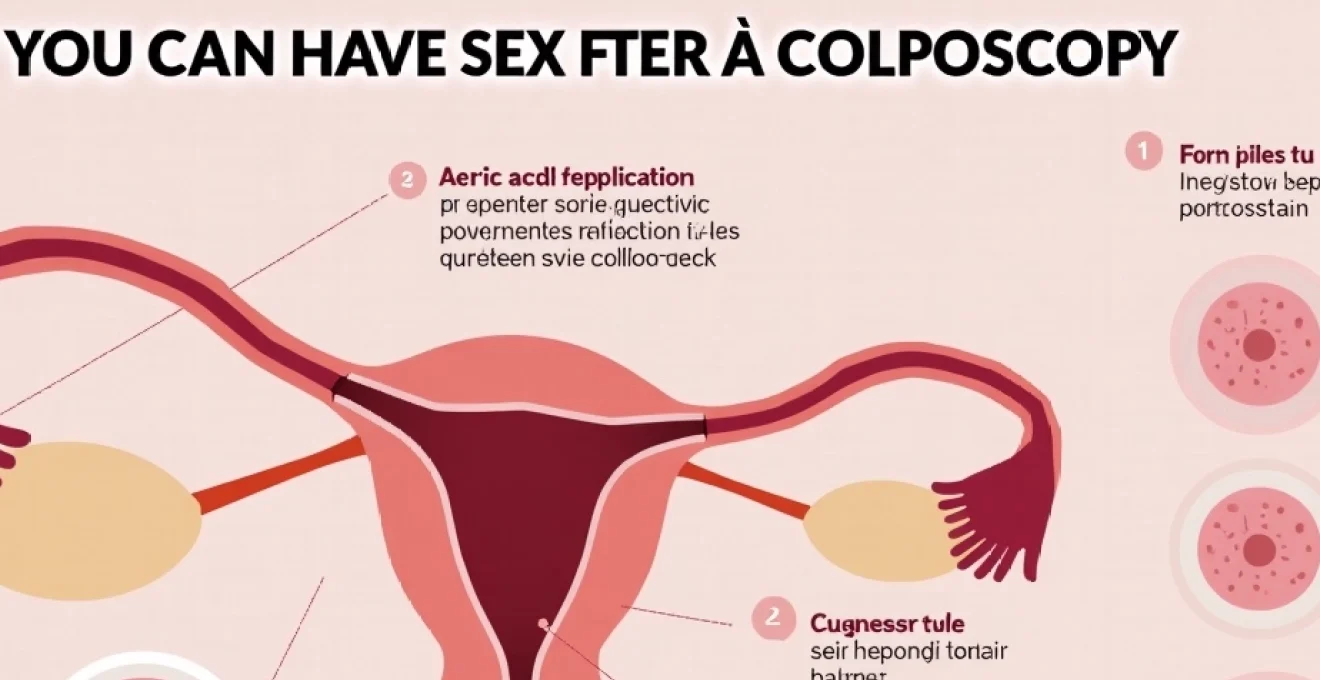
Understanding the appropriate timing for resuming sexual activity following a colposcopy examination is crucial for optimal healing and preventing complications. A colposcopy, performed to examine cervical tissue through magnification, often involves additional procedures such as biopsies or tissue removal that require specific recovery protocols. The cervical healing process varies significantly depending on the extent of the examination and any interventions performed during the procedure.
Healthcare professionals emphasise that proper recovery guidelines protect against infection whilst ensuring complete tissue regeneration. The timing recommendations differ considerably between diagnostic colposcopy alone and procedures involving tissue sampling or treatment. Patient adherence to post-procedural guidelines directly impacts both healing outcomes and the risk of complications that could affect future reproductive health.
Understanding colposcopy procedure and cervical tissue healing timeline
The colposcopy examination process involves several stages that each influence the subsequent healing timeline and restrictions on sexual activity. During the procedure, healthcare providers use a colposcope to magnify cervical tissue up to 40 times its normal size, enabling detailed visualisation of cellular changes and abnormalities that may not be visible during routine examinations.
Cervical epithelium recovery following diagnostic colposcopy
When only diagnostic examination occurs without tissue sampling, the cervical epithelium experiences minimal disruption. The stratified squamous epithelium of the cervix maintains its protective barrier function throughout the examination, requiring approximately 24-48 hours for complete recovery from any minor irritation caused by speculum insertion and visualisation procedures.
Research indicates that diagnostic colposcopy alone does not significantly compromise the cervical mucus barrier or disrupt the natural pH balance of the vaginal environment. The transformation zone, where cervical abnormalities typically develop, remains structurally intact following examination-only procedures. This minimal tissue trauma allows for relatively rapid resumption of normal activities, including sexual intercourse, within 48 hours of the procedure.
Acetic acid application effects on vaginal ph balance
The application of 3-5% acetic acid solution during colposcopy serves to highlight abnormal cellular areas by causing acetowhite changes in dysplastic tissue. This chemical application temporarily alters the vaginal pH environment, creating conditions that may increase susceptibility to bacterial overgrowth if protective measures are not maintained during the immediate post-procedural period.
Acetic acid residue typically neutralises within 6-12 hours following the examination, allowing the vaginal ecosystem to restore its normal acidic pH range of 3.8-4.5. However, premature sexual activity during this restoration period may introduce additional pH disruptions through seminal fluid exposure, potentially delaying the return to optimal vaginal health conditions.
Lugol’s iodine staining impact on cervical mucosa
Lugol’s iodine solution, utilised during colposcopy to identify glycogen-poor abnormal cells, creates temporary brown staining of normal cervical tissue whilst leaving dysplastic areas unstained. This iodine application causes superficial mucosal irritation that requires 24-72 hours for complete resolution, depending on individual tissue sensitivity and the concentration of solution used.
The iodine staining process may result in temporary vaginal discharge containing brown-tinged mucus as the cervical epithelium sheds superficial stained cells. This natural sloughing process continues for 2-3 days post-procedure, and sexual activity during this period may interfere with the normal cellular renewal process whilst potentially causing discomfort due to increased tissue sensitivity.
Post-biopsy haemostasis and tissue regeneration process
Cervical biopsy procedures create focal tissue defects that trigger a complex cascade of healing responses involving haemostasis, inflammation, proliferation, and tissue remodelling phases. The initial haemostatic response involves platelet aggregation and fibrin clot formation at biopsy sites, typically achieving primary haemostasis within 5-10 minutes of tissue sampling.
The inflammatory phase begins immediately following biopsy and continues for 3-5 days, characterised by increased vascular permeability and white blood cell infiltration to prevent infection and initiate tissue repair. During this critical period, mechanical disruption through sexual activity may dislodge protective clots, restart bleeding, and introduce pathogenic organisms that could compromise the healing process.
Proliferative healing commences around day 3-4 post-biopsy, with new epithelial cells migrating to cover the tissue defect whilst underlying stromal tissue regenerates. Complete cervical epithelialisation typically occurs within 10-14 days for punch biopsies, though individual healing rates vary based on factors including age, hormonal status, smoking habits, and immune system function.
Medical guidelines for sexual activity resumption after colposcopy
Professional medical organisations have established evidence-based guidelines for post-colposcopy sexual activity restrictions, though recommendations may vary between different healthcare systems and clinical contexts. These guidelines balance the need for adequate healing time against the psychological and relationship impacts of extended activity restrictions.
Royal college of obstetricians and gynaecologists recommendations
The Royal College of Obstetricians and Gynaecologists advocates for individualised approaches to post-colposcopy care, recognising that blanket restrictions may not address the diverse range of procedures performed under the colposcopy umbrella. Their guidelines recommend 48-hour abstinence following diagnostic colposcopy without tissue sampling, allowing sufficient time for any minor tissue irritation to resolve.
For procedures involving cervical biopsy, RCOG guidelines suggest 5-7 days of sexual abstinence to ensure adequate initial healing and reduce infection risk. These recommendations acknowledge that cervical tissue healing occurs more rapidly than previously understood, whilst maintaining appropriate safety margins for patient protection.
NHS trust protocol variations for Post-Colposcopy care
Individual NHS Trusts have developed localised protocols that may extend beyond national guidelines based on their clinical experience and patient population characteristics. Many trusts recommend 7-14 days of sexual abstinence following any colposcopy involving tissue sampling, reflecting a more conservative approach to patient safety.
Protocol variations often address specific patient factors such as immunocompromised status, previous cervical treatments, or concurrent infections that may require extended healing periods. Some NHS centres provide graduated guidance, allowing patients to resume sexual activity once bleeding completely stops and any discharge returns to normal characteristics, typically occurring within 5-10 days post-procedure.
American college of obstetricians and gynecologists comparative guidelines
ACOG recommendations align closely with UK guidelines for diagnostic colposcopy but tend toward more conservative approaches for interventional procedures. Their position emphasises patient education about signs of complications that would necessitate extended abstinence periods beyond standard recommendations.
American guidelines particularly stress the importance of tampon avoidance during the healing period , recognising that the mechanical irritation from tampon insertion and removal may disrupt healing tissues similarly to sexual activity. This comprehensive approach to activity restrictions demonstrates the integrated nature of post-procedural care considerations.
Gynaecological oncology specialist consensus statements
Specialist gynaecological oncology societies have developed nuanced guidelines that account for the varying degrees of tissue trauma associated with different colposcopic interventions. Their recommendations distinguish between simple punch biopsies, endocervical curettage, and excisional procedures such as LLETZ or cone biopsies.
These specialist consensus statements emphasise that sexual activity restrictions serve multiple purposes: preventing mechanical disruption of healing tissues, reducing infection risk through bacterial introduction, and maintaining optimal conditions for tissue regeneration. The guidelines acknowledge that premature resumption of sexual activity may not only delay healing but could also compromise the accuracy of follow-up examinations.
Colposcopy-directed biopsy complications and sexual health considerations
Different types of tissue sampling procedures performed during colposcopy create varying levels of tissue trauma and subsequently require different approaches to sexual activity restrictions. Understanding these distinctions enables patients to make informed decisions about their recovery timeline whilst minimising complication risks.
Punch biopsy wound healing and intercourse timing
Cervical punch biopsies create focal tissue defects typically measuring 3-5 millimetres in diameter and extending 2-3 millimetres into the cervical stroma. These controlled tissue injuries heal through secondary intention, requiring complete epithelial migration to cover the defect and restore normal cervical architecture.
The healing process for punch biopsy sites progresses through predictable phases, with initial clot formation providing immediate haemostasis followed by inflammatory cell infiltration within 24-48 hours. Sexual activity during the first 5-7 days post-biopsy may mechanically disrupt these early healing stages, potentially leading to prolonged bleeding or secondary infection.
Clinical studies demonstrate that punch biopsy sites achieve 80% healing within 7-10 days under optimal conditions, though complete restoration of normal cervical epithelium may require 2-3 weeks. Patients who resume sexual activity after one week typically experience no adverse effects, whilst those who wait longer report slightly reduced rates of post-procedural bleeding or discomfort.
Endocervical curettage recovery period requirements
Endocervical curettage involves sampling tissue from within the cervical canal, creating linear abrasions along the endocervical epithelium that extend deeper into tissue layers than standard punch biopsies. This procedure typically results in more significant tissue trauma and consequently requires extended healing periods before sexual activity resumption.
The endocervical canal’s unique anatomical position and limited accessibility to visual healing assessment necessitate conservative approaches to activity restrictions. Healthcare providers typically recommend 7-14 days of sexual abstinence following endocervical curettage, allowing adequate time for epithelial regeneration in this protected anatomical location.
Research indicates that endocervical healing progresses more slowly than ectocervical tissue repair due to differences in blood supply and cellular turnover rates. Premature sexual activity may introduce bacteria into the healing endocervical canal, where the body’s natural cleansing mechanisms are less effective than on external cervical surfaces.
Loop electrosurgical excision procedure contraindications
LLETZ procedures involve removing tissue using electrocautery, creating controlled thermal injury to surrounding tissues beyond the excision margins. This combination of mechanical tissue removal and thermal damage requires extended healing periods, typically 4-6 weeks for complete cervical regeneration.
The thermal component of LLETZ procedures affects tissue healing by altering local blood supply and creating areas of coagulation necrosis that must be resolved before normal healing can progress. Sexual activity during the first 2-4 weeks post-LLETZ carries significant risks including delayed healing, increased bleeding, and higher infection rates compared to simpler biopsy procedures.
Clinical guidelines universally recommend minimum 4-week sexual abstinence following LLETZ procedures, with some centres extending this to 6 weeks based on individual patient factors. The extensive tissue remodelling required after electrosurgical excision makes this procedure particularly sensitive to mechanical disruption during the healing phase.
Cone biopsy extended abstinence protocols
Cervical cone biopsy represents the most extensive tissue sampling procedure performed during colposcopy, removing a cone-shaped section of cervix that includes the entire transformation zone and extending into the cervical canal. This procedure creates significant tissue defects requiring 6-8 weeks for complete healing.
The healing process following cone biopsy involves complex tissue remodelling as the cervix attempts to restore its normal architecture whilst maintaining structural integrity. Sexual activity during the extended healing period may interfere with this remodelling process, potentially leading to cervical stenosis, incompetence, or chronic discharge problems.
Post-cone biopsy protocols typically mandate 6-8 weeks of complete sexual abstinence, with some patients requiring even longer periods based on healing assessment during follow-up examinations. The extensive nature of tissue removal makes cone biopsy recovery uniquely susceptible to complications from premature activity resumption.
Cervical stenosis risk factors during healing phase
Cervical stenosis represents a potential long-term complication of extensive colposcopic procedures, particularly when healing is complicated by infection or mechanical disruption during the recovery period. This condition involves narrowing of the cervical canal that may affect future reproductive outcomes and menstrual function.
The risk of stenosis increases when sexual activity is resumed prematurely after extensive procedures, as mechanical trauma during healing may promote excessive scar tissue formation. Healthcare providers monitor for stenosis development during follow-up appointments, adjusting future care recommendations based on healing progress and anatomical changes observed during examination.
Infection prevention strategies following colposcopic examination
Preventing infection after colposcopy requires comprehensive understanding of the factors that contribute to bacterial overgrowth and tissue contamination during the healing period. The cervical environment’s unique characteristics make it particularly susceptible to ascending infections when protective barriers are compromised through procedural intervention.
Sexual activity introduces numerous potential pathogens into the healing cervical environment, including both partner-related organisms and the patient’s own altered vaginal flora. The mechanical action of intercourse may drive bacteria deeper into healing tissue defects, whilst the alkaline pH of seminal fluid can disrupt the cervix’s natural antimicrobial environment. Studies demonstrate that infection rates increase significantly when sexual activity is resumed within 48 hours of tissue sampling procedures.
Antibiotic prophylaxis is rarely required for routine colposcopy procedures, as the body’s natural defence mechanisms typically provide adequate protection when activity restrictions are properly observed. However, patients with compromised immune systems, diabetes, or previous histories of post-procedural infections may benefit from extended abstinence periods and closer monitoring during the recovery phase.
Healthcare providers recommend maintaining optimal vaginal hygiene during recovery whilst avoiding douching or other interventions that might further disrupt the healing environment. The natural process of vaginal cleaning through normal discharge and pH regulation provides the most effective protection against infection when combined with appropriate activity restrictions.
Physical symptoms monitoring before sexual activity resumption
Patients must monitor specific physical indicators that signal appropriate healing progression before considering resumption of sexual activity. These symptoms serve as objective markers of tissue recovery and help identify potential complications that might require extended recovery periods or medical intervention.
Vaginal bleeding represents the most significant indicator of healing status, with patterns varying depending on the extent of tissue sampling performed. Light spotting for 3-5 days following punch biopsy is considered normal, whilst heavier bleeding or bleeding that persists beyond one week may indicate inadequate healing or complications requiring medical assessment. Complete cessation of bleeding for 48 hours typically indicates sufficient haemostasis for safe sexual activity resumption.
Vaginal discharge characteristics provide valuable information about healing progress and potential infection development. Normal post-colposcopy discharge typically appears clear to slightly blood-tinged initially, gradually returning to normal vaginal secretion patterns within 5-7 days. Discharge that becomes increasingly purulent, develops strong odours, or is accompanied by pelvic pain suggests possible infection requiring prompt medical evaluation.
Pelvic discomfort and cramping commonly occur for 24-48 hours following tissue sampling, gradually diminishing as healing progresses. Increasing pain, severe cramping, or discomfort that interferes with normal activities may indicate complications such as infection or inadequate healing. Patients should postpone sexual activity until pain returns to baseline levels, typically occurring within one week of straightforward procedures.
Healthcare professionals emphasise that individual healing rates vary significantly, and patients should prioritise their body’s signals over arbitrary timeline recommendations when determining readiness for sexual activity resumption.
Contraceptive method modifications after colposcopy procedures
Existing contraceptive methods may require temporary modifications following colposcopy procedures to optimise healing conditions and prevent complications. These adjustments account for the altered cervical environment and potential impacts of different contraceptive technologies on tissue recovery.
Intrauterine contraceptive devices may be affected by cervical procedures, particularly when endocervical curettage or extensive tissue sampling occurs near the internal cervical os. Healthcare providers typically assess IUD positioning during post-procedural follow-up appointments, as healing processes may occasionally affect device placement or string accessibility. Patients with IUDs should monitor for unusual bleeding patterns or pelvic pain that might indicate device displacement during healing.
Barrier contraceptive methods require special consideration during the post-colposcopy period, as diaphragms and cervical caps may create mechanical
pressure against healing cervical tissue. These methods should be avoided until complete epithelial healing occurs, typically 7-14 days post-procedure depending on the extent of tissue sampling performed.
Hormonal contraceptive adjustments may be necessary in specific circumstances, particularly when bleeding patterns are significantly altered by cervical procedures. Combined oral contraceptives can sometimes help regulate post-procedural bleeding, though healthcare providers must balance these benefits against potential impacts on tissue healing and immune response during recovery.
Emergency contraception considerations become particularly important when sexual activity is resumed earlier than recommended or when contraceptive failures occur during the healing period. Standard emergency contraceptive protocols remain effective after colposcopy procedures, though patients should inform healthcare providers about recent cervical interventions when seeking emergency contraception to ensure appropriate care coordination.
Spermicidal products and vaginal contraceptive films should be avoided during the initial healing period, as these chemical agents may cause additional tissue irritation when applied to healing cervical surfaces. The resumption of these methods typically coincides with the timeline for sexual activity resumption, ensuring that cervical tissues have adequate time to recover from procedural trauma.
Long-acting reversible contraceptive methods inserted shortly before colposcopy procedures generally do not require modification, though patients should discuss any unusual symptoms or bleeding patterns with their healthcare providers. The interaction between contraceptive hormones and cervical healing processes remains an active area of clinical research, with emerging evidence suggesting minimal impact on recovery timelines for most patients.
Patients should consult their healthcare providers about contraceptive method modifications before resuming sexual activity, ensuring that both healing requirements and contraceptive effectiveness are optimally maintained during the recovery period.