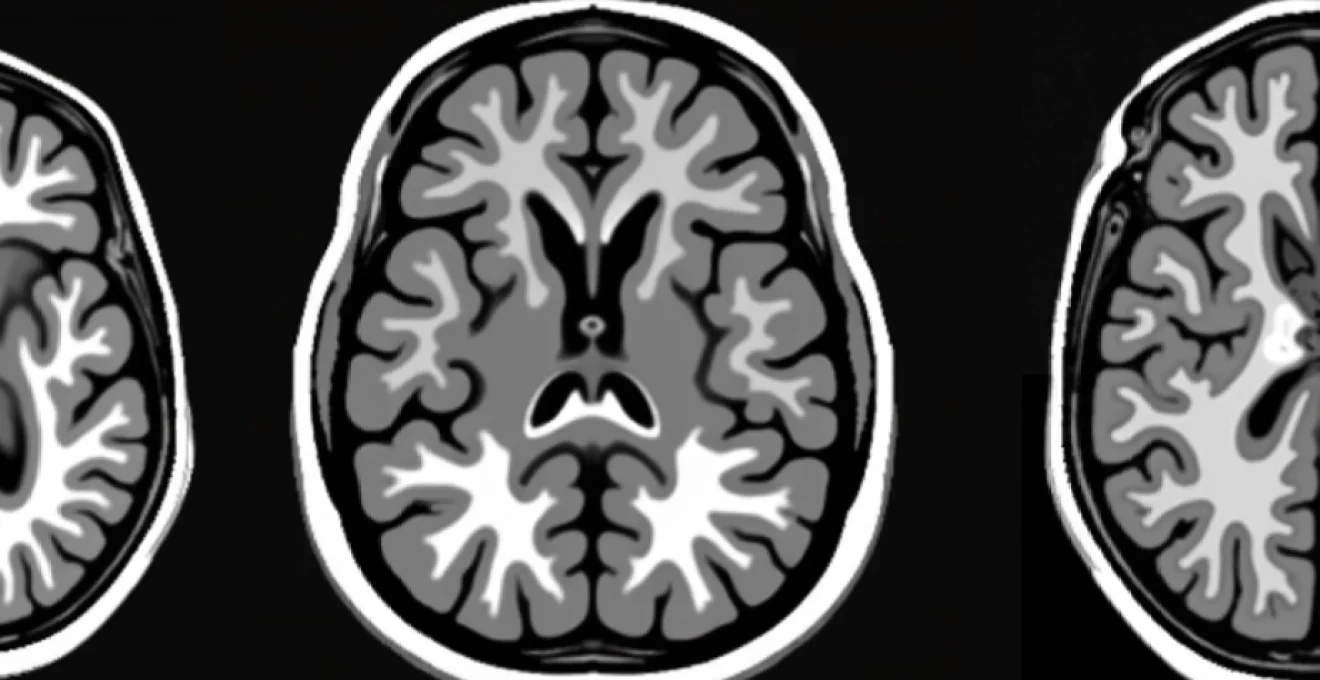
White spots appearing on brain MRI scans can be both concerning and puzzling for patients and healthcare providers alike. These bright areas, technically known as white matter hyperintensities or white matter lesions, represent regions where the brain’s white matter has undergone changes that alter its appearance on magnetic resonance imaging. While some white spots may be benign and age-related, others can signal serious neurological conditions requiring immediate medical attention. Understanding the various causes and implications of these findings is crucial for proper diagnosis, treatment planning, and patient care. The significance of white matter lesions extends far beyond their appearance on imaging studies, as they can profoundly impact cognitive function, motor abilities, and overall quality of life.
Demyelinating conditions and white matter hyperintensities on brain MRI
Demyelinating diseases represent one of the most significant categories of conditions that produce white spots on brain MRI. These disorders primarily affect the myelin sheath, the protective fatty covering that surrounds nerve fibres and enables rapid signal transmission throughout the central nervous system. When myelin becomes damaged or destroyed, the affected areas appear as hyperintense lesions on T2-weighted and FLAIR MRI sequences, creating the characteristic white spots that neurologists carefully analyse for diagnostic purposes.
Multiple sclerosis lesion patterns and T2-FLAIR signal abnormalities
Multiple sclerosis stands as the most common demyelinating disorder, affecting approximately 2.8 million people worldwide. The disease creates distinctive white matter lesions that follow specific patterns on MRI imaging. MS lesions typically appear as oval-shaped hyperintensities with their long axis perpendicular to the ventricular surface, often described as “Dawson’s fingers.” These lesions preferentially affect periventricular white matter, corpus callosum, brainstem, and cerebellum, creating a characteristic distribution pattern that helps differentiate MS from other conditions.
The central vein sign has emerged as a crucial diagnostic marker for MS lesions. Research indicates that approximately 70-80% of MS lesions contain a central vein visible on high-resolution MRI sequences, compared to less than 20% of lesions from other causes. This finding significantly improves diagnostic accuracy and reduces the likelihood of misdiagnosis, which affects nearly 20% of patients initially diagnosed with multiple sclerosis.
Acute disseminated encephalomyelitis (ADEM) white matter distribution
ADEM presents as a monophasic inflammatory demyelinating condition that predominantly affects children and young adults following viral infections or vaccinations. Unlike MS, ADEM lesions are typically larger, more confluent, and show a different distribution pattern. The lesions commonly involve both grey and white matter , with a predilection for subcortical white matter, thalamus, and brainstem. The bilateral and asymmetric nature of ADEM lesions, combined with their tendency to enhance with gadolinium contrast, helps distinguish this condition from other demyelinating disorders.
Neuromyelitis optica spectrum disorders and aquaporin-4 related lesions
Neuromyelitis optica spectrum disorders (NMOSD) create distinct white matter abnormalities that differ significantly from typical MS patterns. These conditions primarily target areas rich in aquaporin-4 water channels, including the optic nerves, spinal cord, brainstem, and hypothalamus. Brain lesions in NMOSD tend to be larger and more confluent than MS lesions, often involving the corpus callosum and extending into adjacent white matter. The presence of longitudinally extensive spinal cord lesions spanning three or more vertebral segments provides an additional distinguishing feature.
Progressive multifocal leukoencephalopathy in immunocompromised patients
Progressive multifocal leukoencephalopathy (PML) represents a severe opportunistic infection caused by JC virus reactivation in immunocompromised patients. PML lesions appear as large, confluent areas of white matter hyperintensity without mass effect or contrast enhancement. These lesions typically begin in subcortical white matter and progressively extend towards deeper structures , creating a characteristic “scalloped” appearance at the grey-white matter junction. The rapid progression and devastating clinical course of PML necessitate prompt recognition and aggressive management of the underlying immunosuppression.
Cerebrovascular white matter disease and small vessel pathology
Cerebrovascular disease represents another major category of conditions causing white matter hyperintensities on brain MRI. Small vessel disease, in particular, creates a distinctive pattern of white matter changes that reflect chronic ischaemia and blood-brain barrier dysfunction. These changes are strongly associated with cardiovascular risk factors and represent a significant cause of cognitive impairment and stroke risk in older adults.
Periventricular leukomalacia and deep white matter ischaemia
Periventricular leukomalacia occurs when blood flow to the white matter surrounding the brain’s ventricles becomes compromised. This condition is particularly common in premature infants but can also affect adults with severe cardiovascular disease. The lesions appear as symmetric hyperintensities in the periventricular white matter, often accompanied by ventricular enlargement due to tissue loss. The watershed zones between major arterial territories are particularly vulnerable to ischaemic damage, creating characteristic patterns that help distinguish vascular from inflammatory causes of white matter disease.
CADASIL syndrome and hereditary small vessel disease patterns
Cerebral Autosomal Dominant Arteriopathy with Subcortical Infarcts and Leukoencephalopathy (CADASIL) represents the most common hereditary small vessel disease. This condition, caused by mutations in the NOTCH3 gene, creates extensive white matter hyperintensities that typically begin in the anterior temporal poles and external capsules. The early involvement of these specific regions, often before age 40, provides a crucial diagnostic clue. CADASIL patients also frequently develop multiple lacunar infarcts and microbleeds, creating a complex pattern of cerebrovascular pathology.
Hypertensive microangiopathy and lacunar infarct distribution
Chronic hypertension damages the small perforating arteries that supply deep brain structures, leading to lacunar infarcts and diffuse white matter hyperintensities. These lesions typically occur in the basal ganglia, thalamus, brainstem, and deep white matter regions supplied by small penetrating vessels. The severity of white matter changes correlates with the duration and control of hypertension, with poorly controlled blood pressure leading to more extensive and confluent lesions over time.
Binswanger disease and subcortical arteriosclerotic encephalopathy
Binswanger disease represents a severe form of subcortical vascular dementia characterised by extensive white matter rarefaction and multiple lacunar infarcts. The condition primarily affects the subcortical white matter while relatively sparing the cortical grey matter and immediate subcortical U-fibres. Patients with Binswanger disease typically present with progressive cognitive decline, gait disturbances, and urinary incontinence , reflecting the widespread disruption of subcortical-cortical connections. The MRI findings include confluent white matter hyperintensities, multiple lacunes, and prominent perivascular spaces.
Inflammatory and infectious white matter pathologies
Various inflammatory and infectious conditions can create white matter hyperintensities that may be confused with demyelinating or vascular diseases. These conditions often require specific treatments and may have different prognoses, making accurate diagnosis crucial for optimal patient outcomes.
CNS vasculitis and primary angiitis pattern recognition
Central nervous system vasculitis creates a distinctive pattern of white matter abnormalities that can mimic other inflammatory conditions. Primary angiitis of the CNS (PACNS) typically produces multifocal white matter lesions accompanied by areas of restricted diffusion representing acute infarction. The lesions often involve both grey and white matter and may show patchy enhancement following contrast administration. The combination of white matter lesions with small cortical or subcortical infarcts should raise suspicion for vasculitic processes, particularly in younger patients without traditional vascular risk factors.
Viral encephalitis white matter involvement in HSV and CMV infections
Viral encephalitis can produce characteristic patterns of white matter involvement depending on the causative organism. Herpes simplex virus (HSV) encephalitis typically affects the temporal lobes and may involve adjacent white matter, creating asymmetric hyperintensities with associated haemorrhage and oedema. Cytomegalovirus (CMV) encephalitis, more common in immunocompromised patients, tends to produce periventricular white matter changes with accompanying enhancement. The clinical presentation, patient immunological status, and specific imaging characteristics help differentiate viral encephalitis from other inflammatory conditions.
Posterior reversible encephalopathy syndrome (PRES) distribution
Posterior reversible encephalopathy syndrome creates characteristic white matter hyperintensities in the posterior circulation territories, particularly affecting the parietal and occipital lobes. PRES typically occurs in the setting of acute hypertension, eclampsia, or immunosuppressive therapy. The lesions in PRES often show a symmetric distribution and may extend into the frontal lobes and brainstem in severe cases . The potentially reversible nature of PRES lesions, when promptly recognised and treated, distinguishes this condition from other causes of posterior white matter abnormalities.
Toxoplasma gondii and cryptococcal infection imaging features
Opportunistic infections in immunocompromised patients can create complex patterns of white matter involvement. Toxoplasma gondii typically produces ring-enhancing lesions with surrounding white matter oedema, most commonly affecting the basal ganglia and corticomedullary junction. Cryptococcal infections may present with dilated perivascular spaces in the basal ganglia or diffuse white matter changes, depending on the specific manifestation. The patient’s immunological status, clinical presentation, and specific imaging characteristics help guide appropriate diagnostic workup and treatment.
Metabolic and toxic white matter abnormalities on brain MRI
Metabolic disorders and toxic exposures can produce distinctive patterns of white matter abnormalities that require specific recognition and management approaches. These conditions often affect particular anatomical regions or white matter tracts, creating characteristic imaging signatures that aid in diagnosis. Understanding these patterns is crucial for identifying reversible causes of white matter disease and implementing appropriate treatments.
Vitamin B12 deficiency can cause subacute combined degeneration of the spinal cord and brain, producing characteristic white matter changes in the posterior columns of the spinal cord and occasionally in the brain. The lesions typically appear as symmetric hyperintensities involving specific white matter tracts, often reversible with appropriate supplementation when caught early. Similarly, copper deficiency can mimic B12 deficiency, creating comparable white matter abnormalities that require careful metabolic evaluation.
Toxic leukoencephalopathies represent another important category, with carbon monoxide poisoning creating characteristic lesions in the globus pallidus and subcortical white matter. Methanol poisoning typically affects the putamen and subcortical white matter, while chronic alcohol abuse can lead to diffuse white matter volume loss and specific involvement of the corpus callosum. Drug-induced leukoencephalopathies, particularly those associated with chemotherapy agents like methotrexate, create distinctive patterns that may be partially reversible with appropriate intervention.
Age-related white matter changes and normal variants
Age-related white matter changes represent the most common cause of white spots on brain MRI, affecting more than half of individuals over 60 years of age. These changes reflect the cumulative effects of aging on cerebral small vessels and represent a spectrum from normal aging to pathological small vessel disease. Understanding the distinction between physiological and pathological white matter changes is crucial for appropriate patient counselling and management decisions.
Normal aging produces characteristic patterns of white matter hyperintensities that typically begin around the frontal horns of the lateral ventricles and gradually extend into the subcortical white matter. The progression of these changes follows predictable patterns , with periventricular changes appearing first, followed by deep white matter involvement in more advanced stages. The Fazekas scale provides a standardised method for grading white matter changes, with scores ranging from 0 (absent) to 3 (large confluent areas).
Several factors influence the development and progression of age-related white matter changes. Cardiovascular risk factors, including hypertension, diabetes, hyperlipidaemia, and smoking, significantly accelerate white matter deterioration. Genetic factors also play a role, with certain polymorphisms affecting individual susceptibility to small vessel disease. Recent research has identified specific lifestyle factors that may protect against white matter deterioration, including regular physical exercise, Mediterranean diet adherence, and cognitive engagement.
The clinical significance of age-related white matter changes varies considerably among individuals. While some people with extensive white matter hyperintensities remain cognitively intact, others develop subtle deficits in processing speed, executive function, and working memory. The location and connectivity disruption caused by white matter lesions appears more important than total lesion volume in determining clinical impact. Strategic locations, such as the genu of the corpus callosum or association fibre tracts, may have disproportionate functional consequences even when lesion burden appears modest on conventional imaging.
Advanced MRI techniques for white spot characterisation and differential diagnosis
Modern neuroimaging has evolved beyond conventional MRI sequences to provide more detailed characterisation of white matter abnormalities. Advanced techniques including diffusion tensor imaging, magnetisation transfer imaging, and high-resolution vascular imaging offer unprecedented insights into the microstructural changes underlying white spots on brain MRI. These methods enhance diagnostic accuracy and provide valuable prognostic information for patients and clinicians.
Diffusion tensor imaging (DTI) measures the directional movement of water molecules within brain tissue, providing insights into white matter tract integrity that conventional MRI cannot detect. DTI parameters such as fractional anisotropy and mean diffusivity can identify subtle white matter damage before lesions become visible on conventional sequences. This technique is particularly valuable for monitoring disease progression and treatment response in conditions like multiple sclerosis, where microstructural changes precede macroscopic lesion development.
The central vein sign, visualised using susceptibility-weighted imaging or T2*-weighted sequences, has emerged as a powerful tool for distinguishing multiple sclerosis lesions from other white matter abnormalities. Specialised MRI sequences can detect the small central veins within MS lesions with high accuracy, providing a biomarker that significantly improves diagnostic confidence. This technique is particularly valuable in cases where conventional imaging findings are ambiguous or when multiple pathologies may coexist.
Advanced imaging techniques are revolutionising our understanding of white matter disease, providing insights that extend far beyond what conventional MRI can reveal about tissue microstructure and pathophysiology.
Artificial intelligence and machine learning algorithms are increasingly being applied to white matter lesion analysis, offering automated segmentation, volumetric quantification, and pattern recognition capabilities. These tools can identify subtle changes over time that might escape visual detection and provide standardised measurements for research and clinical monitoring. Deep learning algorithms show particular promise for distinguishing between different causes of white matter hyperintensities based on lesion characteristics, distribution patterns, and associated imaging features.
Quantitative MRI techniques, including relaxometry and quantitative susceptibility mapping, provide numerical measurements of tissue properties that can be tracked over time and compared across different patient populations. These methods offer the potential for earlier detection of white matter changes and more sensitive monitoring of treatment effects. As these advanced techniques become more widely available, they will likely transform the approach to diagnosing and monitoring white matter diseases, moving beyond subjective visual assessment to objective, quantifiable measurements of brain tissue health.