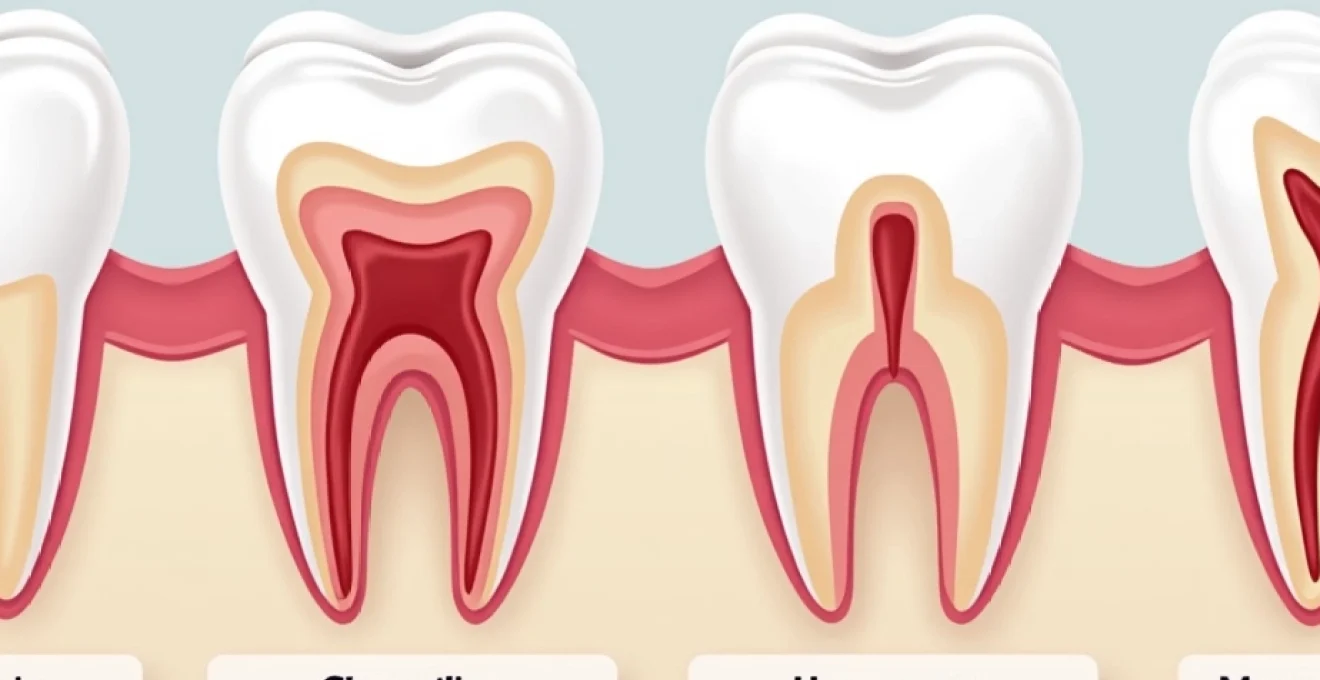
When dry socket packing dislodges from an extraction site, patients often experience immediate concern and escalating discomfort. This medicated dressing, typically containing eugenol-based compounds or zinc oxide formulations, serves as a crucial barrier protecting exposed alveolar bone and nerve endings from environmental irritants. The displacement of this therapeutic material can trigger intense pain and potentially compromise the healing trajectory of the affected socket.
Dry socket, clinically termed alveolar osteitis , represents one of the most challenging post-extraction complications, affecting approximately 2-5% of routine tooth removals and up to 30% of impacted wisdom tooth extractions. The protective packing material not only provides analgesic relief through direct contact anaesthesia but also creates an optimal healing environment by maintaining moisture levels and preventing bacterial infiltration. Understanding the appropriate response protocol when this vital protective barrier fails becomes essential for preventing secondary complications and managing acute symptomatology.
Immediate response protocol when alvogyl packing dislodges from extraction site
The initial response to displaced dry socket packing requires systematic evaluation and prompt intervention to minimise patient discomfort and prevent further complications. Recognition of packing displacement typically occurs when patients experience a sudden return of severe, throbbing pain that may radiate to the temporal region, ear, or mandibular distribution. The exposed socket often presents with visible bone surfaces and may emit a distinctive fetid odour characteristic of necrotic tissue breakdown.
Emergency contact procedures for Out-of-Hours dental situations
Establishing immediate contact with the treating dental professional represents the primary intervention when dry socket packing becomes dislodged. Most dental practices maintain emergency contact protocols for post-operative complications, including dedicated telephone lines or on-call services for urgent situations. Patients should attempt to reach their treating dentist or oral surgeon first, providing specific details about the timing of packing displacement and current pain levels using standardised assessment tools.
When primary dental contact proves unavailable, alternative emergency dental services or hospital emergency departments can provide interim pain management and socket irrigation. Emergency medical personnel can assess for signs of developing cellulitis or spreading infection whilst arranging urgent dental consultation. Documentation of symptoms, including pain intensity, associated swelling, and any systemic manifestations, assists emergency providers in determining appropriate triage and intervention strategies.
Initial pain management using Over-the-Counter analgesics
Pharmaceutical intervention forms the cornerstone of immediate symptom management when dry socket packing fails. Non-steroidal anti-inflammatory drugs (NSAIDs) such as ibuprofen 400-600mg every six hours provide both analgesic and anti-inflammatory benefits, addressing the underlying inflammatory cascade associated with exposed alveolar bone. Paracetamol 1000mg every six hours can be administered concurrently, utilising different analgesic pathways to achieve enhanced pain control through synergistic mechanisms.
Topical anaesthetic applications using lidocaine-containing gels or benzocaine preparations may provide temporary relief when applied directly to the extraction site. These formulations should be used sparingly and according to manufacturer guidelines to prevent systemic absorption and potential toxicity. Patients with known allergies to local anaesthetics or those taking certain medications should consult healthcare providers before implementing topical interventions.
Saline irrigation technique for socket cleansing
Gentle irrigation of the affected socket using warm saline solution helps remove debris and bacterial accumulation whilst promoting a cleaner healing environment. The optimal saline concentration approximates physiological levels at 0.9% sodium chloride, which can be prepared by dissolving half a teaspoon of table salt in 240ml of warm water. The irrigation process should utilise a large-bore syringe or specialised irrigation device to deliver solution with sufficient pressure to cleanse without causing mechanical trauma to healing tissues.
Irrigation technique requires careful angulation to direct saline flow along socket walls rather than directly onto exposed bone surfaces, which may exacerbate patient discomfort. The procedure should be performed every 2-3 hours initially, with frequency adjusted based on debris accumulation and patient tolerance. Antimicrobial mouth rinses containing chlorhexidine gluconate may be substituted for saline in cases where bacterial contamination appears significant, though prolonged use should be avoided due to potential tissue staining and taste alteration.
Temporary protection methods using gauze placement
Strategic placement of sterile gauze over the extraction site provides temporary mechanical protection whilst professional intervention is arranged. The gauze should be cut to appropriate size, avoiding overpacking which may impede circulation or cause additional tissue trauma. Light petroleum jelly application to gauze surfaces prevents adherence to healing tissues and facilitates atraumatic removal during subsequent professional treatment.
Patients should be instructed to change protective gauze every 2-4 hours or when saturation with saliva or exudate occurs. Excessive pressure during placement should be avoided, as compressed gauze may become embedded within the socket and require surgical removal. The protective gauze serves as a temporary measure only and should not substitute for professional socket repacking and comprehensive evaluation by qualified dental personnel.
Clinical assessment of exposed alveolar bone following packing displacement
Comprehensive evaluation of the compromised extraction site requires systematic assessment of multiple clinical parameters to determine the extent of tissue involvement and guide appropriate therapeutic interventions. The exposed alveolar bone typically appears yellowish-white with a rough, irregular surface texture that contrasts sharply with surrounding healthy gingival tissues. Progressive bone necrosis may develop if the socket remains unprotected for extended periods, leading to sequestrum formation and delayed healing complications.
Clinical examination should encompass visual inspection, palpation assessment, and evaluation of associated symptoms to establish accurate diagnosis and prognosis for the affected extraction site.
Visual identification of necrotic bone tissue signs
Recognition of necrotic bone tissue requires careful visual examination under adequate illumination, preferably utilising dental operatory lighting or high-intensity LED sources. Healthy alveolar bone presents with a pink to light yellow coloration and smooth surface texture, whilst necrotic bone appears greyish-white with irregular, rough surfaces that may exhibit areas of obvious tissue breakdown. The presence of bone sequestra, appearing as loose fragments of devitalised bone tissue, indicates advanced necrotic changes requiring surgical intervention.
Surrounding gingival tissues may demonstrate inflammatory changes including erythema, oedema, and increased vascularity that extends beyond the immediate socket margins. The junction between healthy and compromised tissue often presents with distinct demarcation lines that help define the extent of tissue involvement. Photographic documentation using intraoral cameras facilitates accurate monitoring of healing progression and provides valuable reference for subsequent treatment planning.
Halitosis and metallic taste as diagnostic indicators
Olfactory and gustatory manifestations provide valuable diagnostic information regarding the extent of tissue necrosis and bacterial colonisation within the extraction site. The characteristic fetid odour associated with dry socket results from anaerobic bacterial metabolism of necrotic tissue proteins, producing volatile sulphur compounds that create distinctive malodorous emissions. This smell typically becomes more pronounced when irrigation or manipulation disturbs accumulated debris within the socket.
Metallic taste sensations often accompany exposed alveolar bone, resulting from direct contact between saliva and bone minerals, particularly in mandibular extraction sites where bone density remains higher. The intensity of taste disturbance generally correlates with the extent of bone exposure and may persist until adequate soft tissue coverage develops over the extraction site. Patients frequently report taste abnormalities as more distressing than visual changes, significantly impacting nutritional intake and overall quality of life during the healing period.
Pain scale evaluation using Wong-Baker FACES rating
Standardised pain assessment utilising validated measurement tools enables accurate documentation of symptom severity and treatment response monitoring. The Wong-Baker FACES Pain Rating Scale provides visual representations corresponding to numerical pain scores from 0 (no pain) to 10 (worst possible pain), facilitating communication between patients and healthcare providers regardless of language barriers or educational backgrounds. Dry socket pain typically registers between 7-10 on standardised scales, with characteristic descriptions including throbbing, aching, or sharp sensations.
Pain pattern assessment should document temporal relationships, including onset timing relative to packing displacement, duration of episodes, and response to analgesic interventions. The radiating nature of dry socket discomfort often extends beyond the extraction site to involve ipsilateral facial regions, creating complex pain referral patterns that may complicate diagnosis in less experienced practitioners. Regular pain documentation every 2-4 hours provides valuable trending information that guides treatment modifications and helps predict healing trajectories.
Secondary infection risk factors in compromised socket
Displaced packing material creates an environment conducive to bacterial proliferation and secondary infection development, particularly when debris accumulation occurs within the exposed socket. Risk factors for infection progression include immunocompromised status, smoking history, poor oral hygiene, and concurrent medical conditions such as diabetes mellitus or autoimmune disorders. The absence of protective blood clot formation and compromised local circulation further predispose the site to pathogenic bacterial colonisation.
Clinical indicators of developing infection include increasing pain despite appropriate analgesia, purulent discharge from the socket, regional lymph node enlargement, and systemic symptoms such as fever or malaise. Streptococcal and anaerobic bacterial species commonly colonise extraction sites, with potential for rapid progression to serious complications including cellulitis, osteomyelitis, or fascial space infections requiring hospitalisation and intravenous antibiotic therapy.
Professional dry socket treatment options beyond standard packing
Advanced therapeutic interventions extend beyond conventional eugenol-based packing materials to encompass innovative treatment modalities that address the underlying pathophysiology of alveolar osteitis. Modern approaches focus on promoting angiogenesis, reducing bacterial load, and accelerating soft tissue coverage over exposed bone surfaces through evidence-based therapeutic protocols. These sophisticated interventions require specialised training and equipment but demonstrate superior outcomes in terms of healing time, pain reduction, and complication prevention compared to traditional approaches.
The selection of appropriate advanced treatment options depends on multiple factors including the extent of bone exposure, patient medical history, previous treatment response, and available clinical resources. Combination therapy utilising multiple modalities often provides synergistic benefits that exceed the effectiveness of individual interventions, though careful consideration of contraindications and potential interactions remains essential for optimal patient safety and treatment success.
Zinc oxide eugenol paste application techniques
Professional application of zinc oxide eugenol formulations requires precise technique to ensure optimal therapeutic contact whilst minimising tissue irritation and displacement risk. The paste consistency should be adjusted to achieve adequate flow characteristics that allow complete socket penetration without excessive pressure application. Specialised application instruments, including curved-tip syringes or periodontal curettes, facilitate accurate placement in posterior extraction sites where visual access may be limited.
The application process begins with thorough socket irrigation to remove debris and establish a clean treatment field. The zinc oxide eugenol paste is carefully introduced into the deepest portions of the socket first, gradually filling the void whilst avoiding entrapment of air bubbles that may compromise material integrity. Excess material should be removed from surrounding tissues to prevent unnecessary irritation, whilst ensuring complete coverage of exposed bone surfaces remains achieved throughout the socket dimensions.
Chlorhexidine gluconate antimicrobial therapy
Chlorhexidine gluconate represents a broad-spectrum antimicrobial agent with sustained release properties that provide extended bacterial suppression within extraction sites. Professional-strength formulations at 0.2% concentration demonstrate superior efficacy against both gram-positive and gram-negative bacteria commonly associated with post-extraction complications. The substantivity of chlorhexidine allows for prolonged antimicrobial activity following initial application, reducing the frequency of subsequent treatments required for infection control.
Application protocols involve initial socket irrigation with chlorhexidine solution followed by placement of chlorhexidine-impregnated dressings or gels that provide sustained antimicrobial release. The treatment regimen typically involves daily applications for the first week, with frequency adjustment based on clinical response and healing progression. Patient education regarding temporary taste alteration and potential tooth staining helps ensure compliance with the prescribed treatment protocol whilst managing realistic expectations for therapy outcomes.
Platelet-rich fibrin membrane placement protocols
Platelet-rich fibrin (PRF) technology harnesses the patient’s own healing factors to promote accelerated tissue regeneration and pain reduction in dry socket treatment. The preparation process involves centrifugation of patient blood samples to concentrate platelets, growth factors, and fibrinogen into a malleable membrane that can be precisely adapted to extraction site dimensions. This autologous approach eliminates concerns regarding foreign material reactions whilst providing sustained release of healing mediators over 7-10 days following placement.
PRF membrane preparation requires specialised centrifugation equipment and sterile technique to maintain material integrity and prevent contamination. The resulting membrane demonstrates excellent handling characteristics that allow for precise adaptation to socket contours, with sufficient mechanical strength to maintain position during the initial healing period. Clinical studies demonstrate significant reductions in pain scores and healing time when PRF membranes are utilised compared to conventional packing materials, though the requirement for specialised equipment limits widespread adoption in general practice settings.
Low-level laser therapy for accelerated healing
Low-level laser therapy (LLLT) utilises specific wavelengths of coherent light to stimulate cellular metabolism and promote accelerated tissue healing through photobiomodulation mechanisms. The therapeutic wavelengths, typically in the red (660nm) or near-infrared (810-830nm) spectrum, penetrate tissues to depths appropriate for alveolar bone stimulation whilst avoiding thermal damage associated with higher-power laser systems. Treatment protocols involve multiple short-duration exposures over several days, with each session lasting 2-5 minutes depending on laser specifications and treatment area dimensions.
The proposed mechanisms of LLLT include enhanced mitochondrial function, increased cellular ATP production, improved circulation, and modulation of inflammatory cascades that contribute to pain reduction and healing acceleration. Clinical research demonstrates significant improvements in pain scores, reduced healing time, and decreased analgesic requirements when LLLT is incorporated into dry socket treatment protocols. The non-invasive nature and absence of significant side effects make laser therapy an attractive adjunctive treatment option, though equipment costs and training requirements may limit accessibility in some practice settings.
Pharmaceutical intervention strategies for acute alveolar osteitis
Comprehensive pharmaceutical management of acute alveolar osteitis extends beyond basic analgesic interventions to encompass targeted therapeutic approaches that address inflammation, infection risk, and healing promotion through evidence-based medication protocols. The complex pathophysiology underlying dry socket development requires multi-modal pharmaceutical intervention that combines immediate symptom relief with long-term healing optimisation. Advanced medication strategies must consider patient-specific factors including medical history, concurrent medications, and individual response patterns to achieve optimal therapeutic outcomes.
Modern pharmaceutical approaches emphasise the importance of addressing both nociceptive and inflammatory components of dry socket pain whilst simultaneously promoting conditions conducive to normal healing progression. The selection of appropriate medications requires careful consideration of contraindications, drug interactions, and potential adverse effects, particularly in medically compromised patients who may be at increased risk for complications. Systematic medication protocols, combined with regular monitoring and dose adjustments, provide the foundation for successful symptom management and healing acceleration.
Prescription analgesics play a crucial role when over-the-counter medications prove insufficient for adequate pain control in severe dry socket cases. Opioid analgesics such as codeine phosphate 30-60mg every 4-6 hours or tramadol hydrochloride 50-100mg every 6-8 hours provide enhanced pain relief through central nervous system mechanisms that complement peripheral anti-inflammatory interventions. The prescription of controlled substances requires careful assessment of patient history, addiction risk factors, and adherence to regulatory guidelines governing opioid prescribing practices.
Antibiotic prophylaxis considerations become relevant when clinical indicators suggest developing secondary infection or when patient risk factors predispose to complicated healing trajectories. Amoxicillin 500mg three times daily or metronidazole 400mg three times daily for patients with penicillin allergies provide broad-spectrum coverage against oral pathogens commonly associated with post-extraction complications. The decision to initiate antibiotic therapy should be based on clinical evidence rather than prophylactic assumptions, as unnecessary antibiotic use contributes to resistance development and may disrupt beneficial oral microbiota.
Topical anaesthetic formulations containing higher concentrations of active ingredients than over-the-counter preparations may be prescribed for patients requiring enhanced local pain control. Prescription benzocaine gels at 20% concentration or lidocaine viscous solutions at 2% provide prolonged anaesthetic effects when applied directly to extraction sites every 2-3 hours as needed. Patient education regarding proper application techniques and maximum daily dose limits prevents systemic toxicity whilst optimising local therapeutic benefits.
Anti-inflammatory medications beyond standard NSAIDs may be considered for patients with contraindications to traditional agents or those requiring enhanced anti-inflammatory effects. Corticosteroids
such as prednisolone 5mg daily for 3-5 days may be prescribed in cases where excessive inflammatory response impedes healing progression, though careful monitoring for delayed wound healing and infection risk becomes essential with corticosteroid use.
Home care management between dental appointments
Effective home care protocols between professional dental visits form a critical component of successful dry socket management, particularly when immediate dental access remains limited or when treatment requires staged interventions over multiple appointments. Patients must understand that home care serves as a supportive measure rather than a substitute for professional treatment, with specific protocols designed to maintain socket cleanliness, manage pain, and prevent secondary complications until definitive professional intervention can be provided.
The implementation of structured home care routines requires clear patient education regarding technique, frequency, and warning signs that necessitate immediate professional evaluation. Successful self-management depends on patient compliance with prescribed protocols, appropriate monitoring of healing progression, and recognition of symptoms that indicate treatment failure or developing complications. Documentation of symptoms and treatment response in a daily log provides valuable information for healthcare providers whilst empowering patients to actively participate in their healing process.
Dietary modifications play a crucial role in supporting healing whilst preventing mechanical disruption of the extraction site during the vulnerable early healing period. Soft, lukewarm foods provide adequate nutrition without requiring excessive chewing forces that may disturb healing tissues or dislodge protective materials. Cold foods and beverages should be avoided as temperature extremes may trigger intense pain in exposed nerve endings, whilst hot items risk thermal injury to compromised tissues.
Nutritional considerations extend beyond texture modifications to encompass foods that actively support healing processes through provision of essential vitamins, minerals, and proteins required for tissue regeneration. High-protein foods including eggs, yoghurt, and protein supplements provide amino acids necessary for collagen synthesis, whilst foods rich in vitamin C such as citrus fruits and leafy vegetables support immune function and wound healing. Adequate hydration through frequent small sips of water maintains oral hygiene and prevents dehydration that may compromise healing capacity.
Sleep positioning modifications can significantly impact patient comfort and healing progression during the acute phase of dry socket management. Elevating the head using multiple pillows reduces venous congestion and associated throbbing pain, whilst side-sleeping positions should avoid placing pressure on the affected extraction site. The use of ice packs applied externally for 15-20 minute intervals during the first 48 hours helps control inflammation and provides analgesic effects through cold-induced nerve conduction blockade.
Oral hygiene maintenance requires careful balance between maintaining cleanliness and avoiding mechanical trauma to healing tissues. Gentle brushing of unaffected teeth continues as normal, whilst the extraction site should be carefully avoided during the initial healing period. Antimicrobial mouth rinses may be prescribed for use 2-3 times daily, though vigorous swishing motions should be avoided to prevent disruption of healing tissues or displacement of protective materials.
The success of home care protocols depends largely on patient education, compliance, and early recognition of complications that require professional intervention.
Prevention of recurrent dry socket complications post-treatment
Prevention of recurrent dry socket complications following initial treatment requires comprehensive understanding of risk factors and implementation of evidence-based preventive strategies throughout the extended healing period. Patients who have experienced one episode of dry socket demonstrate increased susceptibility to similar complications in future extraction procedures, necessitating modified approaches to post-operative care and enhanced monitoring protocols. The development of personalised prevention strategies based on individual risk assessment significantly reduces the likelihood of recurrent complications whilst improving overall treatment outcomes.
Risk factor modification represents the cornerstone of effective dry socket prevention, with particular emphasis on modifiable lifestyle factors that contribute to healing impairment. Smoking cessation remains the most critical intervention, as tobacco use dramatically increases dry socket risk through impaired circulation, delayed healing, and compromised immune response. Patients should discontinue tobacco use at least 48 hours before any future extractions and maintain abstinence for a minimum of one week post-operatively, though longer cessation periods provide enhanced healing benefits.
The timing of future dental procedures requires careful consideration in patients with dry socket history, particularly regarding hormonal influences and concurrent medications that may affect healing capacity. Female patients should schedule extractions during the first half of their menstrual cycle when oestrogen levels remain lower, as elevated oestrogen during the luteal phase can impair clot formation and increase dry socket risk. Oral contraceptive users may benefit from procedure scheduling during the hormone-free interval or consideration of alternative contraceptive methods during the perioperative period.
Medication review becomes essential for patients requiring future extractions, with particular attention to anticoagulant therapy, bisphosphonates, and medications that may impair healing processes. The development of individualised medication management protocols in consultation with prescribing physicians ensures optimal balance between medical necessity and surgical healing requirements. Antibiotic prophylaxis may be considered for high-risk patients, though routine prophylactic use should be avoided due to resistance concerns and potential for adverse effects.
Enhanced post-operative monitoring protocols for patients with dry socket history include more frequent follow-up appointments, detailed patient education regarding warning signs, and provision of emergency contact information for immediate professional consultation when concerning symptoms develop. The implementation of structured follow-up schedules with appointments at 24 hours, 72 hours, and one week post-extraction facilitates early detection of complications whilst providing ongoing patient support and education reinforcement.
Patient education regarding long-term oral health maintenance extends beyond immediate post-extraction care to encompass comprehensive oral hygiene practices, regular dental examinations, and early intervention for dental problems that may require future extractions. The establishment of strong therapeutic relationships with dental providers ensures continuity of care and optimal communication regarding individual risk factors and preventive strategies. Regular professional cleanings and preventive treatments reduce the likelihood of dental complications that may necessitate future extractions, thereby minimising overall exposure to dry socket risk.
Advanced preventive techniques for high-risk patients may include pre-operative conditioning regimens designed to optimise healing capacity before scheduled extractions. These protocols might encompass nutritional supplementation with vitamins C and D, zinc, and protein to enhance immune function and tissue repair mechanisms. The use of chlorhexidine rinses in the pre-operative period may reduce bacterial load and create more favourable conditions for normal healing progression following tissue manipulation.