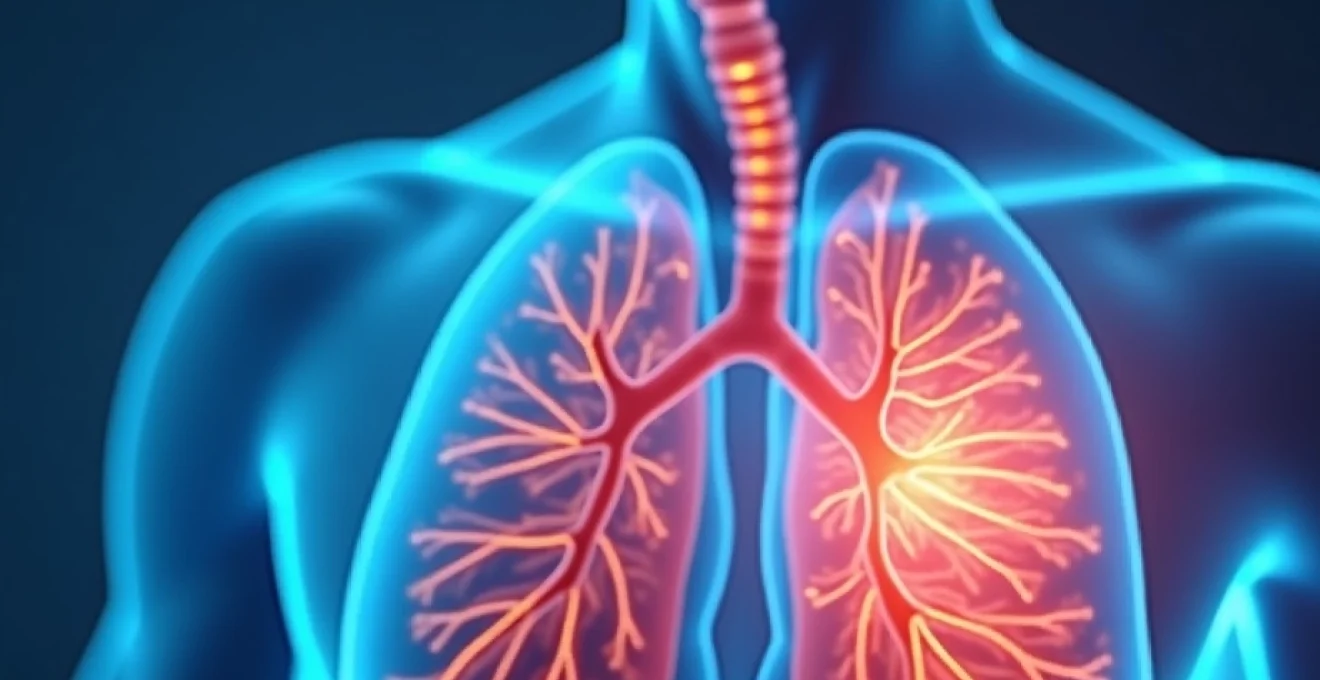
Pleural friction rub represents one of the most distinctive abnormal breath sounds encountered in clinical practice, serving as a crucial diagnostic indicator of pleural pathology. This characteristic respiratory sound occurs when inflamed pleural surfaces lose their normal lubrication and begin rubbing against each other during breathing, creating an unmistakable grating or creaking noise that experienced clinicians can readily identify through careful auscultation.
Understanding the acoustic properties and clinical significance of pleural friction rub is essential for healthcare professionals, as it often signals serious underlying conditions affecting the pleural space. The sound provides valuable diagnostic information that can guide treatment decisions and help clinicians recognise potentially life-threatening respiratory complications before they progress.
Acoustic characteristics and pathophysiology of pleural friction rub
The acoustic signature of a pleural friction rub is unmistakably distinctive, characterised by its dry, grating quality that resembles leather rubbing against leather or the sound produced when rubbing a balloon with your finger. This characteristic creaking sound occurs during both inspiratory and expiratory phases of breathing, distinguishing it from many other adventitious lung sounds that may only occur during one phase of the respiratory cycle.
High-frequency grating sound patterns in respiratory cycles
The frequency characteristics of pleural friction rub typically range between 200-400 Hz, placing it in the mid-frequency spectrum of respiratory sounds. Unlike wheeze or stridor, which maintain consistent pitch patterns, pleural friction rub exhibits irregular frequency variations that create its signature rough, sandpaper-like quality. The sound intensity often varies with respiratory effort, becoming more pronounced during deep inspiration or forced expiration.
During auscultation, you’ll notice that the sound maintains its quality throughout both phases of breathing, though it may be slightly more prominent during inspiration when pleural movement is most active. This biphasic nature helps differentiate pleural friction rub from other respiratory sounds that might initially seem similar.
Visceral and parietal pleural surface inflammation mechanisms
The pathophysiology underlying pleural friction rub involves inflammation of both visceral and parietal pleural surfaces, which normally glide smoothly against each other during respiratory movements. When inflammation occurs, the pleural surfaces become roughened and lose their normal lubrication from pleural fluid, creating the conditions necessary for the characteristic friction sound to develop.
Inflammatory mediators released during pleuritis cause increased vascular permeability and cellular infiltration into the pleural space. This process leads to surface roughening and reduced pleural fluid production , ultimately resulting in the direct contact between inflamed pleural surfaces that generates the audible friction sound during breathing movements.
Fibrin deposition impact on pleural membrane friction
Fibrin deposition plays a crucial role in the development and persistence of pleural friction rub. As inflammation progresses, fibrinogen leaks from inflamed capillaries and converts to fibrin, forming deposits on both pleural surfaces. These fibrin deposits create additional surface roughness and act as adhesive points between the visceral and parietal pleura.
The fibrin network not only contributes to the mechanical friction generating the sound but also indicates the severity of the underlying inflammatory process. Heavy fibrin deposition can lead to pleural adhesions, which may persist even after the acute inflammatory phase resolves, potentially causing ongoing respiratory symptoms.
Distinguishing pleural rub from pericardial friction sounds
Clinical differentiation between pleural and pericardial friction rub requires careful attention to timing and location characteristics. Pericardial friction rub typically presents as a three-component sound corresponding to atrial systole, ventricular systole, and ventricular diastole, while pleural friction rub follows the respiratory cycle pattern.
The most reliable distinguishing feature involves asking the patient to hold their breath during auscultation. Pleural friction rub disappears during breath-holding , while pericardial friction continues with cardiac activity. Additionally, pericardial friction rub is best heard over the precordium, whereas pleural friction rub is typically audible over the affected lung areas.
Clinical auscultation techniques for pleural friction rub detection
Proper auscultation technique is paramount for accurate detection and assessment of pleural friction rub. The examination requires systematic approach, optimal positioning, and understanding of respiratory mechanics to ensure reliable identification of this important clinical finding. Healthcare professionals must employ specific techniques to maximise detection sensitivity while avoiding common pitfalls that might lead to missed diagnoses.
Optimal stethoscope positioning over affected pleural areas
The most effective stethoscope positioning for pleural friction rub detection involves systematic examination of the anterior lateral lung fields, where pleural movement is most pronounced. Begin auscultation at the mid-axillary line and progress systematically across the lateral chest wall, as this area typically provides the clearest acoustic window for pleural sounds.
Use the diaphragm of the stethoscope with firm pressure against the chest wall to optimise high-frequency sound transmission. The area between the fourth and eighth intercostal spaces along the mid-axillary line often yields the best results, as this region corresponds to maximum pleural excursion during breathing.
Respiratory phase timing during inspiration and expiration
Careful attention to respiratory phase timing helps distinguish pleural friction rub from other adventitious sounds and confirms its pleural origin. Instruct the patient to breathe slowly and deeply while you listen carefully during both inspiratory and expiratory phases. The sound should be present during both phases, though intensity may vary between inspiration and expiration.
Document the timing characteristics precisely, noting whether the sound is equally prominent during both phases or shows preference for one phase. This information provides valuable diagnostic clues about the extent and nature of pleural involvement and can help guide further diagnostic evaluation.
Breath-holding manoeuvres for differential diagnosis
The breath-holding manoeuvre represents the gold standard technique for confirming pleural friction rub and distinguishing it from pericardial friction sounds. Ask the patient to take a normal breath and hold it while you continue auscultation over the suspected area. True pleural friction rub will disappear completely during breath-holding, as it depends on pleural movement during respiration.
This technique also helps differentiate pleural friction rub from muscular sounds or chest wall noises that might persist despite breath-holding. Perform this manoeuvre at multiple chest wall locations to map the extent of pleural involvement and confirm the diagnosis.
Lateral decubitus positioning effects on sound amplitude
Positioning the patient in lateral decubitus position can significantly enhance pleural friction rub detection, particularly when the affected side is positioned dependently. This positioning increases pleural contact pressure and may make subtle friction rub more audible through enhanced mechanical interaction between pleural surfaces.
Compare findings between supine and lateral decubitus positions, as some pleural friction rub may only be detectable in specific positions. This positional variation can provide additional diagnostic information about the location and extent of pleural pathology affecting sound generation.
Pathological conditions associated with pleural friction rub
Pleural friction rub serves as a clinical manifestation of various underlying pathological processes affecting the pleural space. Understanding these associated conditions is crucial for appropriate diagnostic workup and treatment planning, as the presence of pleural friction rub often indicates significant pulmonary or systemic pathology requiring prompt medical attention.
Viral infections represent the most common cause of pleuritic chest pain and pleural friction rub, accounting for approximately 60-70% of cases in otherwise healthy individuals. These infections typically cause self-limiting inflammation that resolves within 1-2 weeks with supportive care, though the friction rub may persist for several days after other symptoms improve.
Bacterial pneumonia constitutes another major cause of pleural friction rub, particularly when the infection extends to involve the pleural surface. Community-acquired pneumonia complicated by pleuritis occurs in approximately 20-40% of cases, with Streptococcus pneumoniae and Staphylococcus aureus being common causative organisms that frequently involve pleural surfaces.
Autoimmune conditions such as systemic lupus erythematosus, rheumatoid arthritis, and inflammatory bowel disease can cause serositis affecting multiple serous membranes including the pleura. These conditions often present with bilateral pleural involvement and may be associated with pleural effusions that can mask or modify the characteristics of pleural friction rub.
Pulmonary embolism represents a potentially life-threatening cause of pleural friction rub, occurring when embolic material causes pulmonary infarction with subsequent pleural inflammation. This condition requires immediate recognition and treatment, as delayed diagnosis can result in significant morbidity and mortality.
Malignant conditions, including primary lung cancer and metastatic disease involving the pleura, can present with pleural friction rub as an initial manifestation. Pleural involvement by malignancy often indicates advanced disease and typically requires aggressive multimodal treatment approaches for optimal outcomes.
The presence of pleural friction rub should prompt immediate evaluation for underlying serious conditions, as it frequently indicates significant pleural pathology requiring prompt medical intervention and comprehensive diagnostic assessment.
Audio recognition patterns and clinical documentation
Accurate recognition and documentation of pleural friction rub requires systematic approach to audio pattern analysis and comprehensive clinical recording. Healthcare professionals must develop keen auditory discrimination skills to distinguish pleural friction rub from similar sounds and document findings in standardised terminology that facilitates communication among healthcare team members.
The acoustic pattern of pleural friction rub exhibits several distinctive characteristics that aid in recognition. The sound quality resembles coarse sandpaper rubbing together or the creaking of old leather, with irregular amplitude variations that create a rough, grating texture. Unlike musical sounds such as wheeze or stridor, pleural friction rub lacks harmonic overtones and maintains its harsh, non-musical character throughout the respiratory cycle.
Documentation should include specific details about sound characteristics, timing, location, and associated symptoms. Record the anatomical location using standard chest wall landmarks, noting the intercostal spaces and anatomical lines where the sound is most prominent. Describe the intensity using standardised scales and note any positional variations that affect sound quality or amplitude.
The relationship between pleural friction rub intensity and respiratory effort provides valuable clinical information. Deep breathing typically enhances the sound by increasing pleural movement and contact pressure, while shallow breathing may make subtle friction rub barely audible. Document these variations as they can indicate the severity of pleural inflammation and guide monitoring strategies.
Comprehensive documentation of pleural friction rub characteristics enables effective communication among healthcare providers and provides baseline measurements for monitoring treatment response and disease progression over time.
Consider using audio recording devices when available to document pleural friction rub for educational purposes or consultation with specialists. Digital recording systems can capture subtle acoustic features that may be difficult to describe in written documentation and provide objective evidence of sound characteristics for comparison during follow-up examinations.
Temporal changes in pleural friction rub characteristics provide important prognostic information. Resolution of the sound typically indicates improvement in pleural inflammation, while persistence or intensification may suggest ongoing pathology requiring additional intervention. Track these changes systematically during serial examinations to assess treatment effectiveness.
Differential diagnosis from similar adventitious lung sounds
Accurate differential diagnosis of pleural friction rub from other adventitious lung sounds requires systematic analysis of acoustic characteristics, timing patterns, and clinical context. Several respiratory sounds may initially resemble pleural friction rub, making careful auscultation technique and analytical skills essential for proper identification and appropriate clinical decision-making.
Coarse crackles represent the most common sound confused with pleural friction rub, particularly when they occur during both inspiratory and expiratory phases. However, crackles typically have a more explosive, wet quality and often clear partially with coughing, whereas pleural friction rub maintains its dry, grating character and is unaffected by coughing efforts.
Stridor presents another potential source of confusion, especially when it occurs during both inspiratory and expiratory phases. The key distinguishing feature is that stridor typically has a musical, high-pitched quality and may be audible without a stethoscope in severe cases, while pleural friction rub requires stethoscope auscultation and lacks musical characteristics.
Wheeze can occasionally mimic pleural friction rub, particularly low-pitched wheeze that may sound rough or coarse. However, wheeze maintains a more consistent pitch and musical quality, often with harmonic overtones that create a recognisable tonal character absent in pleural friction rub.
The breath-holding test remains the most reliable method for confirming pleural friction rub diagnosis, as this manoeuvre eliminates pleural movement and causes true friction rub to disappear completely while other lung sounds persist.
Chest wall muscle sounds or skin friction against the stethoscope can create artifacts that resemble pleural friction rub. These sounds typically have irregular timing unrelated to respiratory phases and can be eliminated by adjusting stethoscope pressure or repositioning the chest piece. Additionally, these artifacts often persist during breath-holding, unlike true pleural friction rub.
Pericardial friction rub requires careful differentiation from pleural friction rub, particularly in patients with chest pain and respiratory symptoms. The timing relationship to cardiac versus respiratory cycles provides the primary distinguishing feature, with pericardial friction following heart rate patterns rather than breathing patterns.
Clinical context plays a crucial role in differential diagnosis. Patients with pleural friction rub typically present with pleuritic chest pain that worsens with breathing, while other adventitious sounds may be associated with different symptom patterns. Consider the complete clinical picture including patient history, physical examination findings, and diagnostic test results when making the final diagnosis.