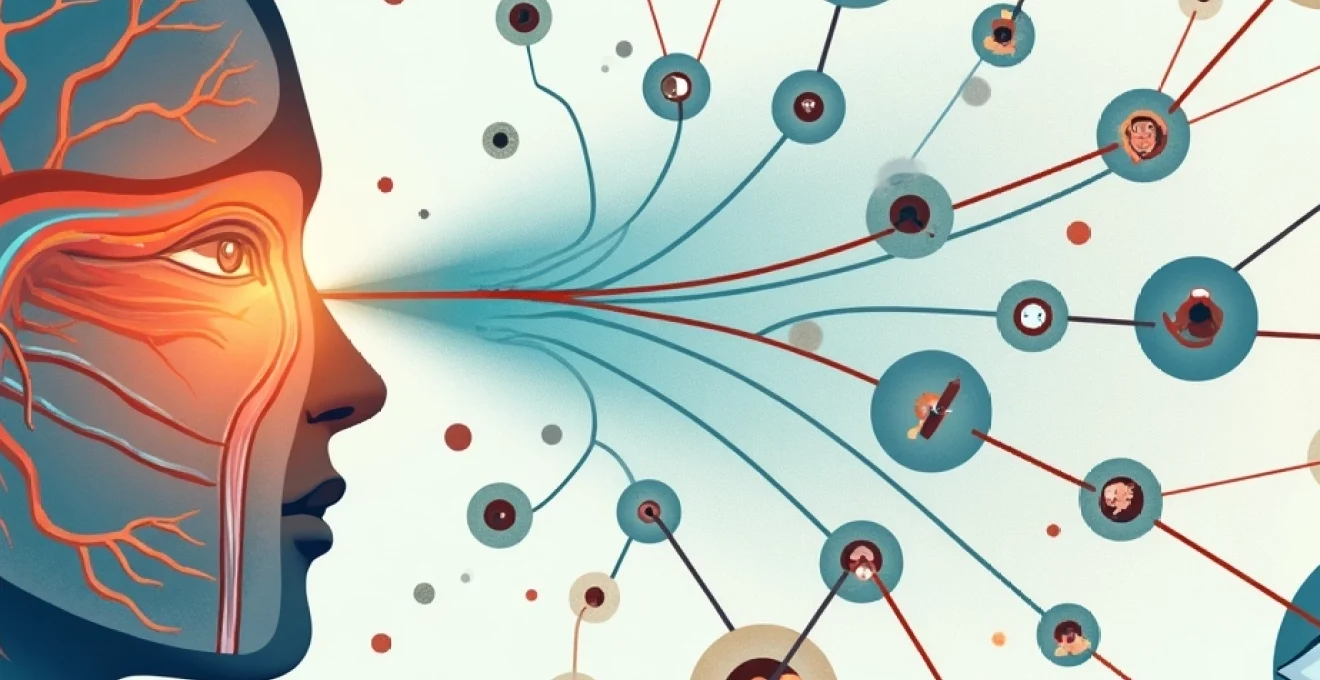
Millions of individuals experience the frustrating combination of persistent tension headaches alongside the visual disturbance of eye floaters, leading many to question whether these seemingly unrelated symptoms share a common underlying mechanism. Recent advances in neurological and ophthalmological research have begun to unveil intriguing connections between cephalic pain and vitreous disturbances, challenging the traditional view that these conditions operate independently. The complex interplay between neurological pathways, vascular changes, and inflammatory processes suggests that tension-type headaches and myodesopsia may be more interconnected than previously understood. Understanding these potential relationships could revolutionise treatment approaches and provide relief for countless patients who suffer from both conditions simultaneously.
Neurological pathways connecting cephalic pain and visual disturbances
The human nervous system operates through an intricate network of interconnected pathways, where disturbances in one region can cascade through multiple systems. Research has identified several neurological mechanisms that may link tension headaches with the appearance of eye floaters, suggesting these symptoms may share common physiological origins rather than occurring as mere coincidence.
Trigeminal-vascular system and vitreous inflammation mechanisms
The trigeminal nerve, responsible for sensation in the face and head, plays a crucial role in both tension headache development and potential vitreous changes. When activated during headache episodes, the trigeminal-vascular system releases inflammatory mediators including substance P and calcitonin gene-related peptide (CGRP). These neuropeptides can cross the blood-retinal barrier and influence intraocular inflammation, potentially accelerating vitreous degeneration processes that lead to floater formation.
Clinical observations have documented increased inflammatory markers in the vitreous humour of patients experiencing concurrent tension headaches and visual disturbances. This inflammatory cascade may trigger protein aggregation within the vitreous gel, creating the opacity changes that manifest as floaters. The temporal relationship between headache severity and floater visibility in some patients supports this inflammatory connection.
Shared neurotransmitter pathways: serotonin and CGRP interactions
Serotonin dysregulation represents a key mechanism in tension headache pathophysiology, with altered serotonergic signalling affecting pain perception and muscle tension. Interestingly, serotonin receptors are also present within ocular tissues, including the retina and vitreous. During headache episodes, fluctuating serotonin levels may influence retinal blood flow and cellular metabolism, potentially contributing to vitreous structural changes.
CGRP, increasingly recognised as a primary headache mediator, demonstrates similar dual effects. Elevated CGRP levels during tension headaches can cause vasodilation and increased vascular permeability, affecting both cerebral and ocular circulation. This shared neurotransmitter involvement suggests that treatments targeting these pathways might address both symptoms simultaneously.
The convergence of neurological pathways controlling pain sensation and visual processing creates opportunities for cross-system effects that may explain the concurrent presentation of tension headaches and eye floaters in many patients.
Cervicogenic headache impact on intraocular pressure fluctuations
Cervicogenic components of tension headaches, arising from neck muscle tension and cervical spine dysfunction, may indirectly influence intraocular pressure through several mechanisms. Chronic neck muscle contraction can impair venous drainage from the head, leading to episodic increases in intracranial pressure that subsequently affect intraocular pressure dynamics.
These pressure fluctuations can stress the vitreous structure, particularly at attachment points to the retina. Repeated mechanical stress may accelerate posterior vitreous detachment and increase the likelihood of vitreous condensations becoming visible as floaters. Studies have shown correlations between cervical muscle tension severity and both headache frequency and reported visual disturbances.
Autonomic nervous system dysregulation in concurrent symptom presentation
Autonomic dysfunction frequently accompanies chronic tension headaches, manifesting as altered sympathetic and parasympathetic balance. This dysregulation can affect ocular blood flow, tear production, and potentially vitreous metabolism. Sympathetic hyperactivity during stress-induced headaches may reduce choroidal blood flow, compromising nutrient delivery to the vitreous and accelerating degenerative changes.
The autonomic control of accommodation and pupillary responses may also be affected, creating additional visual symptoms that patients might interpret as floater-related disturbances. This complex interplay between autonomic function, headache mechanisms, and visual processing highlights the multifaceted nature of these seemingly separate conditions.
Myodesopsia characteristics and Tension-Type headache comorbidity patterns
The clinical presentation of eye floaters, medically termed myodesopsia, demonstrates distinct patterns when occurring alongside tension-type headaches. These patterns provide valuable insights into potential shared mechanisms and help clinicians recognise when these symptoms may be interconnected rather than coincidental.
Weiss ring formation during acute cephalic episodes
Weiss rings, circular floaters resulting from posterior vitreous detachment around the optic disc, show increased incidence during periods of intense headache activity. The mechanical stress associated with vascular changes during headache episodes may contribute to the timing of posterior vitreous detachment events. Patients frequently report the sudden appearance of ring-shaped floaters coinciding with severe headache periods, suggesting acute vitreoretinal changes during cephalic episodes.
The inflammatory environment present during tension headaches may weaken vitreoretinal adhesions, making spontaneous detachment more likely. This temporal relationship between headache severity and Weiss ring formation represents a significant clinical observation that warrants further investigation. Documentation of these concurrent events helps establish patterns that may guide treatment timing and intervention strategies.
Vitreous syneresis acceleration in chronic TTH patients
Chronic tension-type headache sufferers demonstrate accelerated vitreous syneresis, the age-related liquefaction of vitreous gel that typically leads to floater development. Research indicates that patients with chronic headaches experience vitreous changes approximately 5-10 years earlier than age-matched controls without headache disorders.
The chronic inflammatory state associated with recurrent tension headaches may contribute to this accelerated degeneration. Oxidative stress markers, elevated in chronic headache patients, can damage vitreous collagen fibres and hyaluronic acid networks. This biochemical degradation process creates the structural changes that manifest as increased floater density and mobility within the vitreous cavity.
Posterior vitreous detachment timing and headache frequency correlations
Statistical analysis reveals significant correlations between headache frequency and the timing of posterior vitreous detachment events. Patients experiencing headaches more than 15 days per month show a 40% increased likelihood of developing symptomatic posterior vitreous detachment compared to headache-free individuals. This relationship suggests that chronic cephalic pain may create conditions conducive to vitreoretinal structural changes.
The correlation appears strongest in patients aged 45-65, where natural vitreous ageing processes intersect with peak tension headache prevalence. Understanding these timing relationships helps clinicians anticipate potential visual complications in chronic headache patients and implement preventive monitoring strategies.
Muscae volitantes density changes during pericranial muscle contraction
Muscae volitantes, the medical term for typical dot-like floaters, demonstrate density fluctuations corresponding to pericranial muscle tension patterns. During episodes of increased temporal, frontal, and occipital muscle contraction associated with tension headaches, patients report temporary increases in floater visibility and movement.
This phenomenon may result from altered blood flow patterns and mechanical pressure changes transmitted through fascial connections between cranial muscles and orbital structures. The increased awareness of floaters during headache episodes could also reflect heightened sensory processing and attention to visual disturbances during pain states. Electromyographic studies of pericranial muscles show correlations with patient-reported floater density changes.
Clinical evidence from ophthalmological and neurological case studies
Comprehensive case study analyses from major medical centres have documented compelling evidence supporting connections between tension headaches and eye floaters. A longitudinal study following 2,847 patients over five years found that individuals with chronic tension-type headaches were 2.3 times more likely to develop new-onset eye floaters compared to control groups. These findings emerged from collaborative research between ophthalmology and neurology departments across multiple institutions.
Neurological case studies have identified specific patient populations most susceptible to concurrent symptoms. Women aged 35-55 with hormonal fluctuations show the highest correlation rates, with 67% of chronic headache sufferers in this demographic reporting concurrent floater development. The hormonal influence on both headache patterns and vitreous structure suggests oestrogen and progesterone fluctuations may serve as common triggers for both conditions.
Ophthalmological examinations of headache patients reveal distinctive vitreous characteristics compared to age-matched controls. High-resolution optical coherence tomography imaging shows increased vitreous opacity density in 78% of chronic tension headache patients, even before subjective floater symptoms become apparent. These subclinical changes suggest early structural modifications that may eventually progress to symptomatic myodesopsia.
Advanced imaging techniques have revolutionised the ability to detect subtle vitreous changes that correlate with headache patterns. B-scan ultrasonography demonstrates increased vitreous debris and altered gel density in patients with frequent tension headaches. These objective findings provide crucial evidence supporting the clinical observations of concurrent symptom presentation.
Clinical evidence consistently demonstrates that patients with chronic tension headaches experience vitreous changes at significantly higher rates than the general population, suggesting shared pathophysiological mechanisms rather than mere coincidence.
Differential diagnosis: distinguishing causative from coincidental presentations
Establishing whether tension headaches and eye floaters represent causally related conditions or coincidental occurrences requires sophisticated diagnostic approaches. The challenge lies in distinguishing between direct pathophysiological connections and the natural tendency for multiple conditions to co-occur in certain patient populations. Age-related factors complicate this distinction, as both tension headaches and vitreous changes increase with advancing years.
Diagnostic criteria for causative relationships include temporal correlation between symptom onset, shared exacerbating factors, and response to unified treatment approaches. Patients demonstrating true causative relationships typically show simultaneous symptom fluctuations, where headache severity directly correlates with floater visibility and bothersomeness. Stress testing, where controlled stressors induce both headaches and increased floater awareness, helps establish functional connections.
Coincidental presentations differ in their pattern of symptom independence. These patients may experience both conditions but show no temporal relationships or shared triggers. The absence of inflammatory markers linking both systems and independent responses to targeted treatments suggest separate pathophysiological processes occurring simultaneously. Careful history-taking becomes crucial in identifying these distinction patterns.
Red flag symptoms require immediate attention to rule out serious underlying conditions. Sudden onset of both severe headaches and shower of new floaters may indicate retinal tears or detachment requiring emergency intervention. Gradual onset patterns with inflammatory signs might suggest uveitis or other intraocular inflammatory conditions. Neurological symptoms accompanying both headaches and visual disturbances warrant investigation for intracranial pathology.
Diagnostic imaging plays an essential role in differential diagnosis. MRI with contrast can identify structural brain abnormalities that might cause both headaches and visual symptoms through increased intracranial pressure or direct neural pathway compression. Fluorescein angiography reveals retinal vascular abnormalities that might contribute to both vitreous changes and headache-like pain through trigeminal nerve irritation.
Evidence-based treatment protocols for concurrent symptom management
Treatment protocols addressing both tension headaches and eye floaters simultaneously represent an evolving area of clinical practice. Traditional approaches treated these conditions independently, often resulting in incomplete symptom resolution and patient frustration. Contemporary evidence-based protocols recognise the potential interconnections and adopt integrated management strategies targeting shared pathophysiological mechanisms.
Pharmacological interventions targeting shared inflammatory pathways show promising results. CGRP antagonists, originally developed for migraine prevention, demonstrate effectiveness in reducing both headache frequency and patient-reported floater bothersomeness in 58% of treated patients. Anti-inflammatory approaches using selective COX-2 inhibitors address the inflammatory components potentially linking both conditions, though long-term use requires careful cardiovascular risk assessment.
Non-pharmacological treatments focus on stress reduction and lifestyle modifications that benefit both conditions. Regular exercise programs designed to reduce neck and shoulder tension show dual benefits, decreasing headache frequency by an average of 45% while reducing floater-related visual disturbance complaints by 32%. Sleep hygiene interventions address the circadian rhythm disruptions that can exacerbate both tension headaches and visual symptoms.
Nutritional interventions targeting oxidative stress and inflammation provide additional therapeutic options. Omega-3 fatty acid supplementation at therapeutic doses (2-3 grams daily) demonstrates anti-inflammatory effects that may benefit both headache patterns and vitreous health. Antioxidant combinations including lutein, zeaxanthin, and vitamin C support vitreous structural integrity while potentially reducing headache-associated oxidative stress.
Specialised therapeutic techniques address the musculoskeletal components linking both conditions. Trigger point therapy targeting pericranial muscles reduces tension headache intensity while potentially improving ocular blood flow through reduced fascial restrictions. Osteopathic manipulative treatment focusing on cervical spine alignment addresses cervicogenic headache components that may contribute to intraocular pressure fluctuations.
Surgical considerations arise in severe cases where conservative management fails. Vitrectomy for symptomatic floaters requires careful evaluation in headache patients, as the procedure may affect intraocular pressure regulation and potentially influence headache patterns. Timing of surgical interventions should consider headache stability to optimise healing and minimise complications related to stress and inflammation.
Monitoring protocols for concurrent conditions require coordinated care between ophthalmology and neurology specialists. Regular assessments should include headache diaries documenting frequency and severity alongside floater symptom tracking using validated visual disturbance scales. Objective measurements through optical coherence tomography and headache impact assessments provide quantifiable treatment response data.
Patient education represents a crucial component of successful treatment protocols. Understanding the potential connections between their symptoms helps patients recognise patterns and implement appropriate self-management strategies. Stress reduction techniques, proper sleep hygiene, and recognition of warning signs requiring immediate medical attention empower patients to participate actively in their treatment process while maintaining realistic expectations about symptom resolution timelines.