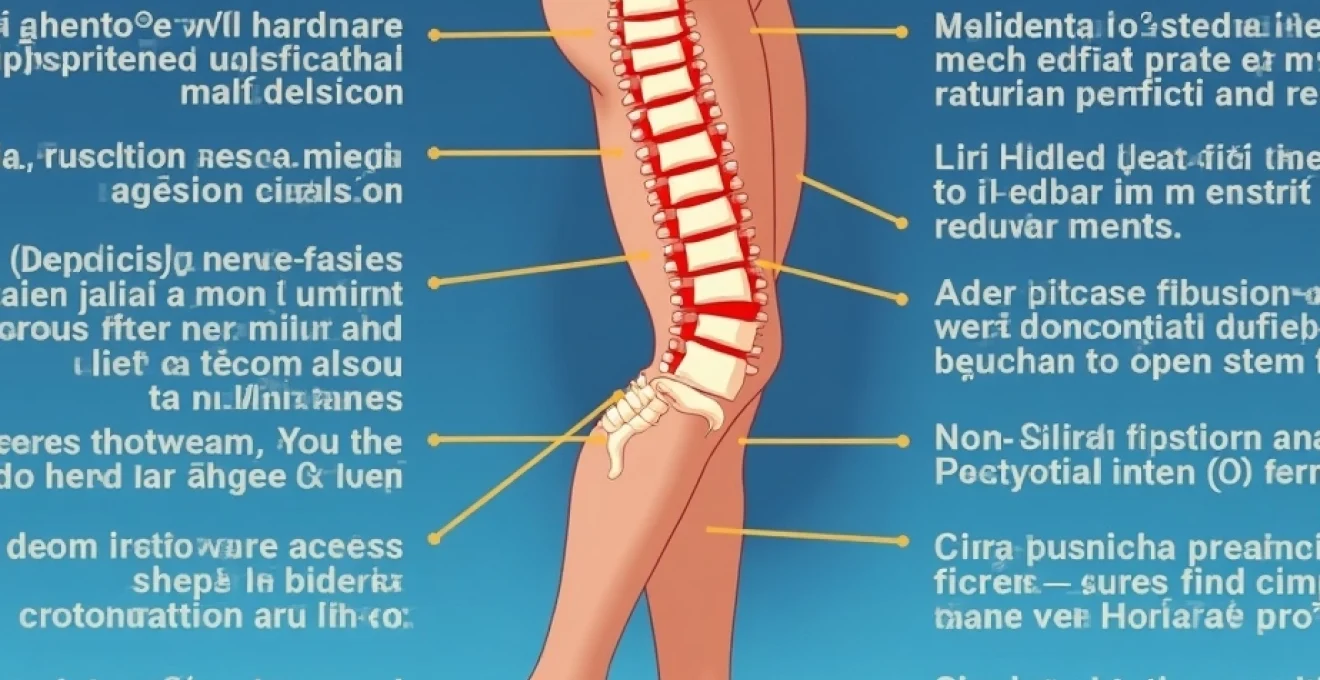
Severe leg pain following spinal fusion surgery represents one of the most challenging complications in modern spine surgery, affecting approximately 15-20% of patients who undergo these procedures. While spinal fusion aims to stabilise the spine and alleviate pain by joining two or more vertebrae together, some patients experience persistent or new-onset leg pain that can significantly impact their quality of life. Understanding the complex mechanisms behind post-fusion leg pain is crucial for both patients and healthcare providers, as it involves intricate anatomical relationships between hardware placement, nerve root positioning, and the body’s healing response.
The development of leg pain after spinal fusion can stem from various sources, ranging from technical complications during surgery to the natural progression of spinal degeneration in adjacent segments. Failed back surgery syndrome , a term encompassing persistent pain following spinal procedures, affects thousands of patients annually and requires sophisticated diagnostic approaches and treatment strategies. Unlike the immediate post-operative discomfort expected after any surgical intervention, severe leg pain that persists beyond the typical healing period signals potential underlying complications that demand thorough investigation and targeted management.
Pathophysiology of Post-Spinal fusion leg pain syndromes
The development of leg pain following spinal fusion involves complex pathophysiological mechanisms that can manifest weeks, months, or even years after the initial procedure. Understanding these mechanisms requires examining how surgical intervention alters normal spinal biomechanics and the cascade of events that can lead to nerve root irritation and pain generation. The fusion process itself creates a rigid segment within the spine’s normally flexible structure, fundamentally changing load distribution and movement patterns throughout the entire spinal column.
Neural compression from hardware malposition and subsidence
Hardware malposition represents one of the most immediate causes of post-fusion leg pain, occurring when screws, rods, or cages are incorrectly placed during surgery. Pedicle screws that penetrate the medial wall of the pedicle can directly compress nerve roots, creating radicular symptoms that present as shooting pain, numbness, or weakness in specific leg distributions. Studies indicate that hardware malposition occurs in approximately 5-15% of cases, with higher rates observed in complex revision surgeries or when anatomical landmarks are distorted by previous procedures.
Subsidence, the gradual sinking of interbody cages or grafts into adjacent vertebral bodies, can also contribute to neural compression over time. This phenomenon typically develops months after surgery as bone remodelling occurs and can result in loss of disc height restoration achieved during the initial procedure. The resulting foraminal narrowing can compress exiting nerve roots, particularly at the L5-S1 level where the anatomy is already confined. Progressive subsidence often manifests as gradually worsening leg symptoms rather than acute onset pain, making early detection challenging.
Adjacent segment disease following L4-L5 and L5-S1 fusion
Adjacent segment disease (ASD) represents a significant long-term complication following lumbar fusion, with studies reporting incidence rates of 20-30% within ten years post-surgery. The biomechanical stress transfer to segments above and below the fusion creates accelerated degenerative changes, particularly affecting the facet joints and intervertebral discs. At the L3-L4 level above an L4-L5 fusion, increased motion demands can lead to facet arthropathy and ligamentum flavum hypertrophy, resulting in lateral recess stenosis and nerve root compression.
The L5-S1 junction, when fused, places additional stress on the sacroiliac joints and can contribute to the development of sacroiliac joint dysfunction. This creates a complex pain pattern that may present as leg pain but originates from altered pelvic mechanics rather than direct neural compression. Research demonstrates that rigid fusion constructs, particularly those involving the lumbosacral junction, create stress concentrations that exceed the adaptive capacity of adjacent tissues, leading to accelerated wear and subsequent pain generation.
Pseudarthrosis-related mechanical instability and nerve root irritation
Pseudarthrosis, or failure of bone fusion to occur, affects approximately 5-10% of lumbar fusion patients and can be a significant source of persistent leg pain. The continued motion at the intended fusion site creates mechanical instability that can irritate surrounding neural structures through several mechanisms. Micromotion at the pseudarthrosis site can cause repetitive stretching and compression of nerve roots, leading to chronic inflammation and pain that may radiate into the lower extremities.
The inflammatory response associated with pseudarthrosis includes the release of pro-inflammatory cytokines such as interleukin-1 and tumor necrosis factor-alpha, which can sensitise nerve roots and contribute to chronic pain states. Additionally, the mechanical instability can result in variable foraminal dimensions throughout the range of motion, creating intermittent nerve root compression that manifests as positional leg pain. Dynamic imaging studies often reveal abnormal motion patterns at pseudarthrosis sites that correlate with symptom reproduction during specific activities or positions.
Epidural fibrosis formation and tethering effects on nerve roots
Epidural fibrosis, the formation of scar tissue around nerve roots and the dural sac, represents a natural healing response that can become pathological when excessive. This fibrous tissue can create adhesions that tether nerve roots, limiting their normal gliding motion during spinal flexion and extension. The restriction of nerve root mobility can generate tension-related pain that typically worsens with forward bending or prolonged sitting positions. Histological studies reveal that epidural scar tissue contains inflammatory cells and blood vessels that can contribute to ongoing pain generation through chemical irritation of neural structures.
The temporal development of epidural fibrosis follows a predictable pattern, with initial inflammation occurring within the first few weeks post-surgery, followed by collagen deposition and scar maturation over several months. However, the extent and clinical significance of fibrosis formation varies considerably between patients, influenced by factors such as surgical technique, patient genetics, and post-operative inflammation levels. Advanced imaging techniques can distinguish between recurrent disc herniation and epidural fibrosis, though the clinical correlation between imaging findings and symptom severity remains complex and requires careful interpretation.
Clinical manifestation patterns and differential diagnosis
The clinical presentation of leg pain following spinal fusion encompasses a diverse spectrum of symptoms that can challenge even experienced spine specialists. Patients may experience radicular pain that follows specific nerve root distributions, diffuse leg discomfort without clear anatomical patterns, or intermittent symptoms that vary with activity levels and positioning. The temporal relationship between surgery and symptom onset provides crucial diagnostic clues, as immediate post-operative pain suggests different pathophysiology compared to delayed presentations occurring months or years later.
Radiculopathy versus claudication in Post-Fusion patients
Distinguishing between radiculopathy and neurogenic claudication in post-fusion patients requires careful analysis of symptom characteristics and their relationship to activity. True radiculopathy typically presents as sharp, burning, or electric-shock-like pain that follows a specific dermatomal distribution, often accompanied by numbness, tingling, or weakness in corresponding myotomal patterns. The pain is usually constant or triggered by specific movements such as coughing, sneezing, or spinal extension, reflecting direct nerve root irritation or compression.
Neurogenic claudication, in contrast, manifests as diffuse leg heaviness, cramping, or fatigue that develops with walking and improves with rest, particularly when assuming a flexed posture. This symptom pattern suggests central canal stenosis or compression of the cauda equina rather than individual nerve root involvement. In post-fusion patients, claudication symptoms may develop due to adjacent segment stenosis or residual compression at non-fused levels. The walking tolerance distance and the need for specific postural relief (shopping cart sign) provide important diagnostic clues for differentiating these conditions.
Failed back surgery syndrome presentation and criteria
Failed back surgery syndrome (FBSS) encompasses a complex constellation of symptoms that persist or recur following spine surgery, affecting an estimated 10-40% of surgical patients depending on the specific procedure and patient population. The presentation typically includes persistent or recurrent back and leg pain that may be similar to pre-operative symptoms or represent new pain patterns. Patients often describe a honeymoon period of initial improvement followed by gradual symptom recurrence, suggesting either incomplete decompression, adjacent segment degeneration, or development of epidural fibrosis.
Diagnostic criteria for FBSS include persistent pain for at least six months following surgery, with pain levels that significantly impact functional capacity and quality of life. The pain pattern may include both nociceptive and neuropathic components, often described as burning, shooting, or stabbing sensations combined with deep aching or throbbing. Functional limitations typically include reduced walking tolerance, difficulty with prolonged sitting or standing, and impaired sleep quality due to positional pain. Psychological factors such as depression, anxiety, and fear-avoidance behaviours frequently accompany FBSS, creating a complex biopsychosocial pain syndrome that requires multimodal treatment approaches.
Distinguishing Hardware-Related pain from recurrent disc herniation
Differentiating between hardware-related pain and recurrent disc herniation requires careful correlation of clinical symptoms with advanced imaging findings. Hardware-related pain often presents with specific positional triggers, such as pain that worsens with spinal extension when pedicle screws impinge on neural structures, or pain that develops with rotation when rods create abnormal stress patterns. The temporal relationship to surgery is also important, as hardware-related symptoms may develop immediately post-operatively or gradually over months as tissue remodelling occurs around implants.
Recurrent disc herniation typically presents with acute onset of radicular symptoms, often following a specific incident or activity that increases intradiscal pressure. The pain pattern usually mirrors the original pre-operative symptoms, suggesting compression of the same nerve root that was initially decompressed. Advanced MRI techniques with gadolinium enhancement can help distinguish between scar tissue enhancement and the lack of enhancement typical of recurrent disc material. However, clinical correlation remains essential, as imaging findings may not always correlate with symptom severity or distribution.
Sacroiliac joint dysfunction following lumbar fusion procedures
Sacroiliac joint dysfunction represents an often-overlooked source of leg pain following lumbar fusion, particularly when the fusion extends to the sacrum. The biomechanical alterations created by lumbosacral fusion can increase stress on the sacroiliac joints by up to 300%, leading to accelerated degenerative changes and pain generation. The presentation typically includes unilateral buttock and posterior thigh pain that may radiate into the posterior or lateral leg, often mimicking L5 or S1 radiculopathy patterns.
Provocative manoeuvres such as the FABER (flexion, abduction, external rotation) test, Gaenslen’s test, and sacroiliac joint compression tests can help identify sacroiliac joint involvement, though these tests may have limited specificity in post-surgical patients. The pain is typically worse with transitions from sitting to standing, stair climbing, and single-leg stance activities. Diagnostic sacroiliac joint blocks can provide both diagnostic confirmation and therapeutic benefit, with positive responses suggesting the joint as a significant pain generator requiring targeted treatment approaches.
Advanced diagnostic imaging and electrophysiological assessment
The diagnostic evaluation of severe leg pain following spinal fusion requires a multimodal approach that combines advanced imaging techniques with electrophysiological studies to identify the specific source of symptoms. Traditional imaging methods may be limited by metallic hardware artifacts, necessitating specialised protocols and alternative techniques to achieve adequate visualisation of neural structures and fusion status. The integration of multiple diagnostic modalities provides a comprehensive assessment that guides targeted treatment strategies and helps predict therapeutic outcomes.
MRI with gadolinium enhancement for scar tissue evaluation
Magnetic resonance imaging with gadolinium enhancement remains the gold standard for evaluating epidural scar tissue formation and distinguishing it from recurrent disc herniation in post-fusion patients. The paramagnetic properties of gadolinium allow for clear delineation of vascularised scar tissue, which enhances brightly on T1-weighted images, from avascular disc material that shows no enhancement. This distinction is crucial for treatment planning, as epidural fibrosis responds differently to interventional procedures compared to mechanical compression from disc material.
Advanced MRI sequences, including diffusion tensor imaging and functional MRI, provide additional insights into nerve root health and the physiological impact of compression or irritation. These techniques can detect microstructural changes in nerve tissue that may not be apparent on conventional imaging, potentially identifying patients at risk for poor outcomes or those who may benefit from early intervention. Metal artifact reduction sequences such as MARS (Metal Artifact Reduction Sequence) and SEMAC (Slice Encoding for Metal Artifact Correction) improve visualisation around titanium hardware, allowing for better assessment of neural structures in the presence of metallic implants.
CT myelography protocol for hardware interference cases
Computed tomography myelography provides superior bone and hardware detail compared to MRI and remains invaluable when metal artifacts significantly limit MRI interpretation. The intrathecal contrast injection allows for excellent visualisation of neural compression, particularly in cases where hardware placement may obscure critical anatomical relationships. Modern CT myelography protocols utilise thin-section acquisitions with multiplanar reconstructions to provide detailed assessment of foraminal anatomy and central canal patency.
The dynamic component of CT myelography, involving flexion and extension positioning, can reveal positional changes in canal dimensions and neural compression that may not be apparent on static imaging. This is particularly valuable in assessing pseudarthrosis-related instability and its impact on neural structures. The procedure does carry risks associated with lumbar puncture, including post-dural puncture headache and rare complications such as infection or bleeding, but these risks are generally outweighed by the diagnostic value in complex post-surgical cases where other imaging modalities are inadequate.
Electromyography and nerve conduction studies Post-Fusion
Electromyography (EMG) and nerve conduction studies provide objective assessment of nerve function and can help localise the level and severity of neural injury in post-fusion patients. These studies are particularly valuable when clinical symptoms suggest multiple level involvement or when imaging findings are ambiguous. EMG can detect denervation changes in specific muscle groups, helping to confirm which nerve roots are affected and whether the injury is acute or chronic in nature.
The temporal evolution of EMG findings provides important prognostic information, as acute denervation changes may indicate reversible nerve injury, while chronic changes suggest permanent damage with limited recovery potential. Quantitative sensory testing can complement traditional EMG studies by assessing small fiber function, which may be affected even when large fiber conduction remains normal. Serial studies over time can document improvement or deterioration in nerve function, guiding decisions about conservative versus surgical management.
Single-photon emission computed tomography for fusion assessment
Single-photon emission computed tomography (SPECT) combined with CT provides unique insights into bone metabolism and fusion status that cannot be obtained through other imaging modalities. The radiotracer uptake patterns can identify areas of ongoing bone remodelling, helping to distinguish between solid fusion and pseudarthrosis when conventional imaging is equivocal. SPECT imaging is particularly valuable in complex cases where multiple previous surgeries have created extensive scarring and anatomical distortion.
The integration of SPECT and CT data allows for precise anatomical localisation of metabolically active regions, which can guide targeted interventional procedures or surgical planning. In cases of suspected hardware loosening or failure, SPECT can identify abnormal bone metabolism around implants before structural changes become apparent on conventional imaging. This early detection capability may allow for timely intervention before significant hardware failure or neural injury occurs.
Surgical revision techniques and hardware modification strategies
Revision surgery for severe leg pain following spinal fusion requires careful consideration of multiple factors, including the specific cause of symptoms, the patient’s overall health status, and the potential risks versus benefits of additional surgical intervention. Modern revision techniques have evolved to address the most common causes of post-fusion leg pain, utilising advanced surgical approaches, improved hardware designs, and enhanced fusion techniques to optimise outcomes while minimising complications.
The decision to proceed with revision surgery should be based on clear evidence of a correctable mechanical problem, failure of conservative management approaches, and significant functional limitations that justify the risks of additional surgery. Revision rates following lumbar fusion range from 5-15% depending on the initial procedure and patient factors, with higher rates observed in complex cases involving multiple levels or previous failed surgeries. Success rates for revision procedures are generally lower than primary surgeries, emphasising the importance of careful patient selection and realistic expectation setting.
Hardware removal or modification may be necessary when pedicle screws or other implants are malpositioned and causing direct neural compression. This typically involves careful dissection around the implant to avoid further neural injury, followed by repositioning or replacement with appropriately sized hardware. In some cases, complete hardware removal may be indicated if solid fusion has been achieved and the implants are contributing
to ongoing symptoms through mechanical irritation or inflammatory responses.
Extended fusion techniques may be necessary when adjacent segment disease has developed, requiring incorporation of additional spinal levels into the construct. This approach must carefully balance the need for adequate decompression with the biomechanical consequences of creating longer rigid segments. Modern techniques utilise minimally invasive approaches when possible to reduce soft tissue trauma and preserve paraspinal muscle function. Lateral interbody fusion techniques have gained popularity for addressing adjacent segment disease as they allow for indirect decompression through disc height restoration while avoiding the scarred posterior surgical field.
Decompression procedures without fusion may be considered in select cases where neural compression is identified without significant instability. Techniques such as laminectomy, foraminotomy, or lateral recess decompression can address specific areas of stenosis while preserving motion at non-fused levels. However, these procedures must be performed carefully to avoid creating iatrogenic instability, particularly in segments adjacent to existing fusion constructs where altered biomechanics already place increased stress on remaining mobile segments.
Non-surgical management protocols for persistent Post-Fusion pain
Conservative management remains the first-line treatment for many patients experiencing leg pain following spinal fusion, particularly when imaging studies do not reveal clear structural abnormalities requiring surgical intervention. A comprehensive non-surgical approach addresses multiple pain pathways and functional limitations through coordinated care involving pain management specialists, physiotherapists, and other healthcare professionals. The multimodal approach recognises that post-fusion leg pain often involves complex interactions between nociceptive, neuropathic, and psychosocial factors that require individualised treatment strategies.
Pharmacological management forms a cornerstone of conservative treatment, with medication selection based on the predominant pain mechanisms identified through careful clinical assessment. Neuropathic pain components respond well to anticonvulsants such as gabapentin or pregabalin, which modulate calcium channel function and reduce nerve hyperexcitability. Tricyclic antidepressants like amitriptyline or nortriptyline provide dual benefits through their analgesic properties and mood stabilisation effects. Topical agents including lidocaine patches or capsaicin cream offer localised relief with minimal systemic side effects, particularly beneficial for patients with focal areas of neuropathic pain or allodynia.
Physical therapy protocols specifically designed for post-fusion patients focus on optimising movement patterns around the fused segments while strengthening supporting musculature. Core stabilisation exercises help compensate for the loss of segmental mobility by improving overall spinal stability and reducing stress on adjacent segments. Patients benefit from graduated exercise programmes that progress from basic mobility exercises to functional training that mimics activities of daily living. Manual therapy techniques, including soft tissue mobilisation and joint manipulation of non-fused segments, can address compensatory movement patterns and reduce muscle tension contributing to pain symptoms.
Interventional pain management procedures offer targeted treatment options when conservative measures provide insufficient relief. Epidural steroid injections can reduce inflammation around nerve roots and provide temporary pain relief, though their effectiveness may be limited by the presence of scar tissue. Selective nerve root blocks serve both diagnostic and therapeutic purposes, helping to identify specific nerve roots contributing to symptoms while providing targeted anti-inflammatory treatment. Radiofrequency ablation of medial branch nerves may benefit patients with facet joint-mediated pain, particularly when adjacent segment disease affects the facet joints above or below the fusion.
Spinal cord stimulation represents an advanced interventional option for patients with persistent neuropathic pain that has not responded to other treatments. Modern stimulation systems offer multiple waveforms and programming options that can be customised to individual patient needs and pain patterns. The reversible nature of spinal cord stimulation makes it an attractive option for patients reluctant to undergo revision surgery, as trial stimulation can demonstrate potential benefits before permanent implantation. Success rates for spinal cord stimulation in post-fusion patients range from 60-80%, though careful patient selection and realistic expectation setting are crucial for optimal outcomes.
Prognosis and Long-Term functional outcome expectations
The long-term prognosis for patients experiencing severe leg pain following spinal fusion varies significantly depending on the underlying cause, timing of symptom onset, and response to initial treatment interventions. Understanding these prognostic factors helps guide treatment decisions and provides patients with realistic expectations regarding their recovery trajectory. Research indicates that patients who develop leg pain within the first three months following fusion surgery generally have better outcomes compared to those with delayed onset symptoms, suggesting different pathophysiological mechanisms and treatment responsiveness.
Hardware-related complications typically have the most predictable outcomes when addressed promptly through appropriate revision procedures. Patients with malpositioned screws causing direct nerve compression often experience significant improvement following hardware repositioning, with success rates exceeding 80% when the diagnosis is accurate and surgical technique is optimal. However, delays in recognition and treatment can result in permanent neurological deficits that limit recovery potential. Timing of intervention becomes crucial, as nerve root compression lasting longer than 6-12 months may result in irreversible changes that persist despite successful decompression.
Adjacent segment disease presents a more complex prognostic picture, as it represents a progressive degenerative process that may continue to evolve over time. Studies following patients for 10-15 years after lumbar fusion demonstrate that approximately 25-30% develop clinically significant adjacent segment disease requiring additional treatment. The progression rate varies based on factors such as the number of levels fused, patient age at the time of initial surgery, and overall spinal alignment. Patients with single-level fusions generally have better long-term outcomes compared to those with multi-level constructs, reflecting the greater biomechanical stress imposed by longer rigid segments.
Epidural fibrosis-related symptoms often show gradual improvement over 12-24 months as inflammatory processes subside and tissues adapt to the altered anatomy. However, complete resolution of symptoms is uncommon, and many patients require ongoing management strategies to maintain functional capacity. Physical therapy focusing on nerve gliding exercises and postural training can help optimise outcomes by improving neural mobility and reducing tension on tethered nerve roots. The key to success lies in early recognition and intervention before scar tissue becomes extensively organised and less responsive to treatment.
Psychosocial factors play an increasingly recognised role in determining long-term outcomes for post-fusion leg pain patients. Depression, anxiety, and catastrophic thinking patterns significantly influence pain perception and functional recovery, often creating barriers to successful treatment regardless of the underlying pathophysiology. Multidisciplinary rehabilitation programmes that address both physical and psychological aspects of chronic pain demonstrate superior outcomes compared to purely biomedical approaches. Patients who engage actively in their rehabilitation process and develop effective coping strategies typically achieve better functional outcomes even when complete pain resolution is not achievable.
Return to work and recreational activities varies widely among post-fusion patients with persistent leg pain, influenced by factors such as job demands, pain severity, and individual motivation levels. Office workers and those with sedentary occupations generally have higher return-to-work rates compared to individuals whose jobs require heavy lifting, prolonged standing, or repetitive bending activities. Vocational rehabilitation services can help patients explore workplace modifications or alternative career paths when returning to previous employment is not feasible. The goal shifts from complete symptom elimination to optimising functional capacity within the constraints imposed by persistent symptoms.
Long-term follow-up studies reveal that while complete pain resolution occurs in only 30-40% of patients with severe post-fusion leg pain, significant functional improvement is achievable in 60-70% of cases with appropriate treatment. Quality of life measures often show meaningful improvements even when pain scores remain elevated, reflecting the importance of addressing multiple dimensions of the pain experience rather than focusing solely on intensity ratings. Patients who maintain realistic expectations and actively participate in their treatment programmes demonstrate the best long-term adaptation and satisfaction with their outcomes, regardless of whether their initial surgical goals were fully achieved.