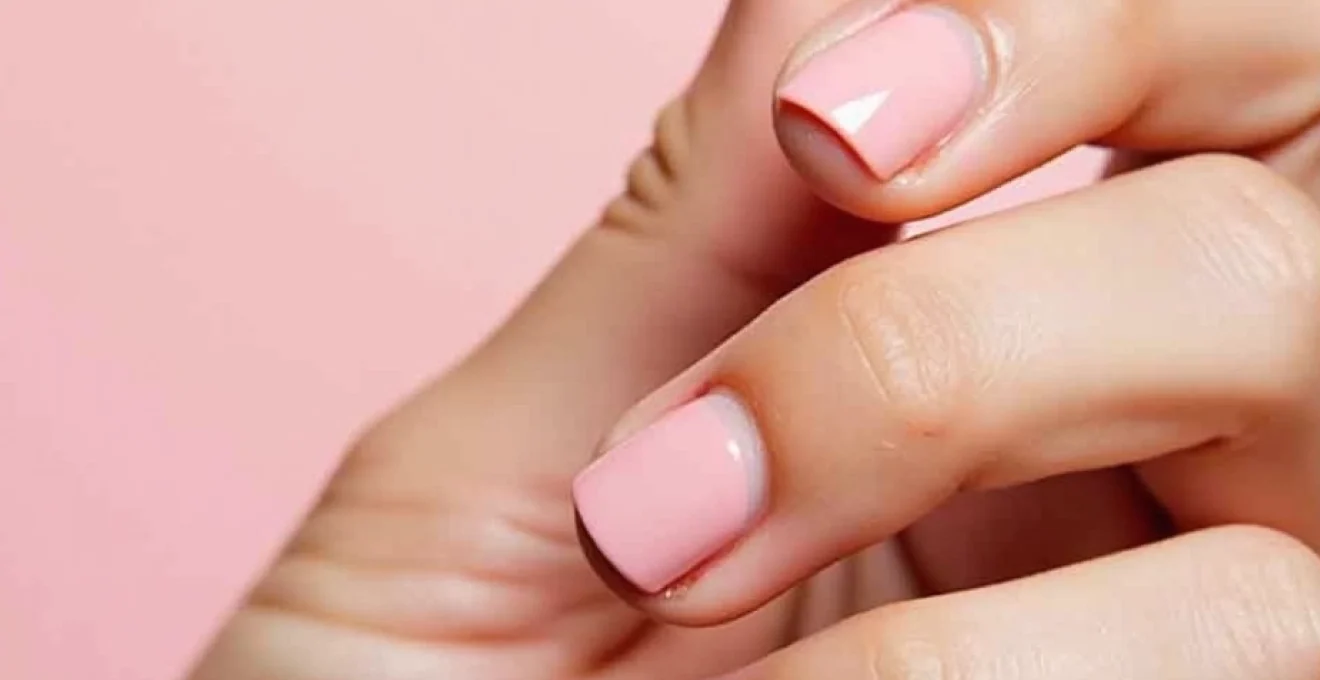
The pristine finish of a professional gel manicure can quickly transform into a nightmare when itchy, irritated fingers follow what should have been a relaxing beauty treatment. Contact dermatitis from gel nail products affects an estimated 2.4% of the population, with symptoms ranging from mild irritation to severe blistering that requires immediate medical attention. Understanding the underlying causes of these reactions is crucial for anyone experiencing discomfort after gel nail applications, whether from salon treatments or home manicure kits.
The chemical complexity of modern gel nail systems means that multiple factors can trigger allergic responses, from uncured monomers to harsh removal solvents. Recognising the difference between irritant and allergic contact dermatitis becomes essential for determining the most appropriate treatment approach and preventing future reactions. Professional intervention may be necessary for severe cases, whilst mild symptoms often respond well to targeted home remedies and proper first aid protocols.
Understanding contact dermatitis and allergic reactions from gel nail products
Contact dermatitis represents the body’s inflammatory response to chemical irritants or allergens present in gel nail formulations. This condition manifests as redness, swelling, burning sensations, and intense itching around the nail area, though symptoms can extend to other body regions through cross-contamination. The prevalence of gel nail-related dermatitis has increased substantially over the past decade, coinciding with the widespread adoption of UV-cured nail enhancement systems in both professional salons and home settings.
The pathophysiology of gel nail reactions involves either direct cellular damage from harsh chemicals or immune-mediated hypersensitivity responses. Immediate contact dermatitis occurs within minutes to hours of exposure, typically resulting from high concentrations of irritating substances coming into direct contact with skin tissue. Delayed hypersensitivity reactions, conversely, develop 24-72 hours post-exposure and indicate a sensitised immune system that has learned to recognise specific chemical compounds as threats.
Acrylate and methacrylate sensitivity: chemical triggers in UV gel polish
Acrylate and methacrylate compounds form the backbone of most gel nail formulations, serving as the primary building blocks that polymerise under UV or LED light exposure. These monomeric substances include 2-hydroxyethyl methacrylate (HEMA), ethyl methacrylate, and various acrylate esters that create the durable, glossy finish characteristic of gel manicures. However, uncured monomers possess significant allergenic potential, particularly when they penetrate compromised skin barriers around the nail fold.
Research indicates that HEMA represents the most commonly sensitising methacrylate in nail cosmetics, with studies showing positive patch test results in up to 4% of tested individuals. The cumulative nature of acrylate sensitivity means that repeated exposure increases the likelihood of developing permanent allergic responses. Once sensitised, individuals may experience reactions to minimal concentrations of these compounds, making future gel nail applications problematic without specialised HEMA-free formulations.
Formaldehyde resin allergies from gel nail enhancement systems
Formaldehyde resins serve as hardening agents and durability enhancers in many gel nail systems, contributing to the chip-resistant properties that make these manicures popular. These compounds, including toluene sulphonamide formaldehyde resin, can trigger both irritant and allergic contact dermatitis in susceptible individuals. The volatility of formaldehyde-containing substances means that sensitivity reactions can occur through inhalation as well as direct skin contact.
Cross-reactivity between formaldehyde resins and other chemical sensitisers complicates the clinical picture for affected individuals. Patients with formaldehyde sensitivity may also react to certain fabrics, cosmetics, and industrial chemicals, necessitating comprehensive allergen avoidance strategies. The diagnosis of formaldehyde resin allergy requires professional patch testing, as symptoms can mimic other common contact allergens found in nail products.
Cyanoacrylate reactions from nail glue and bonding agents
Cyanoacrylate adhesives play a crucial role in nail extension applications and repair procedures, creating strong bonds between natural nails and artificial enhancements. These rapid-curing substances can cause immediate tissue damage if applied incorrectly, leading to chemical burns and subsequent inflammatory responses. The exothermic reaction that occurs during cyanoacrylate polymerisation can generate sufficient heat to cause thermal injury to surrounding tissues.
Beyond immediate irritant effects, cyanoacrylates can function as contact sensitisers, particularly in occupational settings where nail technicians experience repeated exposure.
The British Association of Dermatologists reports increasing cases of cyanoacrylate sensitivity among beauty professionals, highlighting the importance of proper protective equipment during nail application procedures.
Symptoms typically localise to areas of direct contact but may spread through inadvertent transfer to other body regions.
Identifying allergic contact dermatitis vs irritant contact dermatitis
Distinguishing between allergic and irritant contact dermatitis requires careful consideration of symptom timing, distribution patterns, and exposure history. Irritant contact dermatitis typically develops immediately following exposure to harsh chemicals, with symptoms confined to areas of direct contact. The severity of irritant reactions correlates with concentration and duration of exposure, often resolving once the offending substance is removed and appropriate treatment initiated.
Allergic contact dermatitis presents with a delayed onset, usually appearing 24-72 hours after exposure to triggering allergens. The distribution of allergic reactions may extend beyond direct contact sites , affecting areas like the eyelids, neck, or face through secondary transfer. Once established, allergic sensitisation persists permanently, with subsequent exposures potentially triggering increasingly severe reactions even at minimal concentrations.
Immediate first aid treatment for gel Nail-Induced finger irritation
Prompt intervention following the onset of gel nail-related irritation can significantly reduce symptom severity and prevent progression to more serious inflammatory responses. The primary objective involves removing the causative agent whilst providing symptomatic relief through appropriate topical treatments and supportive care measures. Emergency first aid protocols should prioritise thorough cleansing of affected areas followed by application of cooling agents and anti-inflammatory preparations.
The urgency of treatment escalates when symptoms include severe burning, blistering, or signs of secondary bacterial infection. Immediate medical consultation becomes necessary when reactions involve facial swelling, difficulty breathing, or systemic symptoms suggesting anaphylactic responses. However, most gel nail reactions remain localised and respond well to conservative home-based interventions when implemented correctly and consistently.
Cold compress application using calamine lotion or zinc oxide
Cold compress therapy provides immediate relief from burning sensations and helps reduce localised inflammation through vasoconstriction and numbing effects. Proper technique involves wrapping ice packs or frozen gel packs in clean cloths to prevent direct contact with irritated skin, applying for 10-15 minute intervals with equal rest periods between applications. The cooling effect helps interrupt pain signal transmission whilst reducing metabolic activity in inflamed tissues.
Calamine lotion offers additional benefits beyond simple cooling, providing astringent and drying properties that help manage weeping or oozing lesions. Zinc oxide formulations create protective barriers that prevent further irritant exposure whilst promoting healing of damaged epithelial tissue. These preparations should be applied in thin layers to avoid occlusion, allowing natural skin respiration whilst maintaining therapeutic contact with affected areas.
Antihistamine administration: cetirizine and loratadine dosage guidelines
Oral antihistamines provide systemic relief from itching and help reduce the inflammatory cascade associated with allergic contact dermatitis. Cetirizine (Zyrtec) offers potent H1-receptor antagonism with recommended adult dosing of 10mg once daily, whilst loratadine (Claritin) provides similar efficacy at 10mg daily with potentially fewer sedating effects. These medications work most effectively when initiated early in the reaction course, before histamine-mediated symptoms become fully established.
Second-generation antihistamines like cetirizine and loratadine offer advantages over older formulations through reduced central nervous system penetration and longer duration of action. Peak therapeutic effects typically occur 1-3 hours post-administration , with sustained symptom control lasting 24 hours. Individuals with hepatic or renal impairment may require dosage adjustments, and concurrent medications should be reviewed for potential drug interactions.
Topical corticosteroid application: hydrocortisone 1% cream protocol
Hydrocortisone 1% cream represents the strongest over-the-counter topical corticosteroid available for managing inflammatory skin conditions, including contact dermatitis from gel nail products. Proper application involves cleansing affected areas with gentle, fragrance-free cleansers before applying thin layers of medication twice daily. The anti-inflammatory properties of hydrocortisone help reduce erythema, swelling, and pruritus through suppression of inflammatory mediator release.
Treatment duration should typically not exceed 7-10 days without medical supervision, as prolonged topical corticosteroid use can lead to skin atrophy and other adverse effects.
Dermatologists recommend applying hydrocortisone cream in the thinnest possible layer that provides adequate coverage, as excessive application does not improve efficacy but may increase absorption and side effect risks.
Areas of broken or severely inflamed skin may require prescription-strength preparations under professional guidance.
Proper nail product removal using Acetone-Free solvents
Safe removal of gel nail products requires careful consideration of solvent selection, as traditional acetone-based removers can exacerbate existing irritation through further chemical insult. Acetone-free alternatives utilising ethyl acetate or propylene carbonate offer gentler removal properties whilst maintaining effectiveness against cured gel formulations. These solvents typically require longer contact times but produce less dehydration and irritation of surrounding tissues.
The removal process should incorporate protective measures such as petroleum jelly application around nail borders to create barrier protection against solvent contact with inflamed skin. Foil wrap techniques help maximise solvent contact time whilst minimising evaporation and reducing overall exposure duration. Following removal, thorough cleansing with mild soap and warm water helps eliminate residual solvents and prepare tissues for therapeutic treatments.
Professional medical interventions for persistent allergic reactions
When home-based treatments fail to provide adequate relief within 48-72 hours, professional medical evaluation becomes essential for proper diagnosis and management of persistent allergic reactions. Dermatologists possess specialised knowledge of contact sensitisation patterns and access to advanced diagnostic tools that can identify specific triggering allergens. Early professional intervention can prevent progression to chronic dermatitis and establish effective long-term management strategies.
The complexity of modern nail product formulations means that multiple allergens may contribute to ongoing reactions, requiring comprehensive evaluation beyond simple visual examination. Professional assessment includes detailed exposure history taking, physical examination of reaction patterns, and consideration of occupational or recreational factors that might influence symptom development. Advanced cases may require systemic interventions that are only available through prescription channels.
Dermatologist consultation for patch testing analysis
Patch testing represents the gold standard diagnostic approach for identifying specific contact allergens responsible for nail product reactions. This procedure involves applying standardised concentrations of suspected allergens to the patient’s back using specialised patches, followed by sequential evaluations at 48 and 96-hour intervals. The comprehensive nail series patch test includes common sensitisers like acrylates, formaldehyde resins, and various catalysts used in UV-cured systems.
Interpretation of patch test results requires expert knowledge of cross-reactivity patterns and clinical correlation with the patient’s exposure history. Positive reactions must be distinguished from irritant responses through careful evaluation of morphology and timing patterns. Results guide the development of personalised allergen avoidance strategies and help predict which alternative nail products might be safely tolerated by sensitised individuals.
Prescription corticosteroid treatments: betamethasone and triamcinolone
Prescription-strength topical corticosteroids like betamethasone dipropionate and triamcinolone acetonide offer enhanced anti-inflammatory potency for severe contact dermatitis cases that fail to respond to over-the-counter preparations. These medium to high-potency steroids provide more effective suppression of inflammatory cascades whilst requiring careful monitoring for potential adverse effects. Application protocols typically involve twice-daily use for limited duration under dermatological supervision.
Betamethasone formulations offer excellent tissue penetration and prolonged anti-inflammatory activity, making them particularly effective for managing acute exacerbations of allergic contact dermatitis.
Clinical studies demonstrate that prescription corticosteroids can reduce symptom severity by 70-80% within the first week of treatment when used appropriately for contact dermatitis management.
Treatment duration rarely exceeds 2-3 weeks due to increased risk of skin atrophy and systemic absorption with prolonged use.
Oral prednisolone therapy for severe contact dermatitis cases
Systemic corticosteroid therapy becomes necessary for extensive or severe contact dermatitis that involves significant portions of the hands or has spread to other body regions. Oral prednisolone offers rapid symptom control through systemic anti-inflammatory effects, typically prescribed in initial doses of 0.5-1mg/kg body weight daily. Treatment courses usually span 1-3 weeks with gradual tapering to prevent rebound inflammation and minimise side effect risks.
The decision to initiate systemic corticosteroid therapy requires careful risk-benefit analysis, considering factors like reaction severity, patient age, and concurrent medical conditions. Monitoring protocols include assessment of blood glucose levels , blood pressure, and psychological status throughout treatment courses. Patients receive education about potential side effects and the importance of completing prescribed tapering schedules to avoid adrenal suppression complications.
Immunosuppressive treatment options for chronic allergic responses
Chronic or recurrent allergic contact dermatitis from nail products may require advanced immunosuppressive interventions in cases where allergen avoidance proves impossible or incomplete. Topical calcineurin inhibitors like tacrolimus and pimecrolimus offer steroid-sparing alternatives that can be used for extended periods without risk of skin atrophy. These medications work by inhibiting T-cell activation and cytokine production, effectively dampening allergic inflammatory responses.
Severe cases may warrant consideration of systemic immunosuppressive agents such as methotrexate or cyclosporine, though such interventions are typically reserved for occupational cases where complete allergen avoidance is not feasible. These treatments require extensive monitoring for potential toxicity and regular laboratory surveillance of hepatic and renal function. The decision to pursue immunosuppressive therapy involves multidisciplinary consultation including dermatology and potentially occupational medicine specialists.
Natural and Home-Based remedies for finger itching relief
Natural remedies offer gentle yet effective alternatives for managing gel nail-induced finger irritation, particularly for individuals seeking to avoid pharmaceutical interventions or supplement conventional treatments. Botanical preparations and traditional remedies provide anti-inflammatory, antimicrobial, and soothing properties that can accelerate healing whilst minimising chemical exposure to already compromised skin. The selection of appropriate natural treatments should consider individual sensitivities, as some botanical compounds can themselves function as contact allergens in susceptible persons.
The efficacy of natural remedies varies considerably based on preparation methods, concentration levels, and individual response patterns. Scientific evidence supporting natural treatments ranges from robust clinical trials to traditional use documentation , requiring careful evaluation of available research when making treatment decisions. Integration of natural approaches with conventional medical care often provides optimal outcomes, particularly for individuals with complex or persistent symptoms.
Aloe vera gel represents one of the most extensively studied natural anti-inflammatory agents, with demonstrated efficacy in reducing skin irritation and promoting wound healing. Fresh aloe gel applied directly from plant leaves provides optimal potency, though commercially prepared formulations offer convenience and standardised concentrations. The cooling sensation of aloe vera provides immediate symptomatic relief whilst polysaccharide compounds help stabilise inflammatory responses and promote tissue repair processes.
Oatmeal preparations utilise the anti-inflammatory properties of avenanthramides and beta-glucans to soothe irritated skin and provide protective barrier functions. Colloidal oatmeal baths or topical preparations can be easily prepared at home by grinding rolled oats into fine powder and mixing with water to create therapeutic pastes. The pH-buffering properties of oatmeal help restore normal skin acidity whilst saponin compounds provide gentle
cleansing properties without harsh detergent effects.
Chamomile compresses provide potent anti-inflammatory benefits through flavonoid compounds like apigenin and chamazulene. Preparation involves steeping dried chamomile flowers in hot water for 10-15 minutes, allowing the solution to cool before applying with clean cloths to affected areas. The gentle nature of chamomile makes it suitable for sensitive skin types, whilst its antimicrobial properties help prevent secondary bacterial infections in compromised tissue.
Coconut oil serves dual purposes as both a moisturising agent and antimicrobial treatment, with medium-chain fatty acids providing natural barrier protection for damaged skin. Virgin coconut oil applied twice daily helps restore lipid barrier function whilst lauric acid content offers protection against bacterial and fungal overgrowth. The occlusive properties of coconut oil should be balanced with adequate ventilation to prevent maceration of healing tissues.
Tea tree oil dilutions offer antimicrobial benefits but require careful concentration management due to potential sensitising effects. Proper dilution ratios of 5-10% in carrier oils provide therapeutic benefits whilst minimising irritation risks. Patch testing on unaffected skin areas becomes essential before application to inflamed regions, as tea tree oil can itself function as a contact allergen in predisposed individuals.
Prevention strategies for future gel nail application sessions
Implementing comprehensive prevention strategies represents the most effective approach to avoiding future gel nail-related allergic reactions, particularly for individuals with established sensitivities or high-risk profiles. Successful prevention requires understanding personal risk factors, selecting appropriate products and professionals, and maintaining vigilant application protocols that minimise exposure to known triggers. The investment in prevention measures significantly outweighs the costs and discomfort associated with managing allergic reactions.
Education about ingredient recognition becomes fundamental for individuals with known sensitivities, enabling informed decisions about product selection and salon choices. Reading product labels and understanding chemical nomenclature helps identify potential allergens before exposure occurs. Communication with nail technicians about specific allergies and previous reactions ensures appropriate precautions are implemented throughout the application process.
Pre-application skin preparation involves ensuring optimal barrier function through adequate moisturisation and avoiding compromised skin conditions that might increase absorption of sensitising chemicals. Cuticle oils and barrier creams applied around nail borders create protective zones that prevent direct chemical contact with vulnerable periungual tissues. The timing of moisturiser application should allow complete absorption before gel product application to prevent interference with adhesion properties.
Product selection strategies focus on identifying HEMA-free and hypoallergenic formulations that eliminate or minimise common sensitising agents. Professional-grade products often provide superior formulation control compared to consumer-level alternatives, with better curing properties that reduce uncured monomer exposure. Researching brand reputation, ingredient transparency, and dermatologist recommendations helps guide selection of safer alternatives for sensitive individuals.
Application technique modifications include ensuring complete curing cycles with appropriate UV or LED equipment, avoiding skin contact during application, and implementing proper ventilation to reduce volatile organic compound exposure. Professional application settings should utilise extraction fans and maintain adequate air circulation to minimise inhalation exposure to potentially sensitising vapours.
The International Association of Dermatologists recommends patch testing for individuals with multiple chemical sensitivities before initial gel nail applications, particularly in occupational settings where repeated exposure is anticipated.
Frequency management involves allowing adequate recovery periods between gel nail applications to prevent cumulative sensitisation effects. Alternating between gel systems and traditional manicures provides skin recovery time whilst maintaining aesthetic preferences. Individuals with borderline sensitivities may benefit from seasonal application patterns that align with natural skin barrier function cycles.
Professional salon selection criteria should include verification of proper equipment maintenance, staff training levels, and adherence to safety protocols. Salons that provide detailed ingredient information, offer patch testing services, and maintain comprehensive allergy databases demonstrate commitment to client safety. Communication about previous reactions and specific requirements ensures appropriate precautions are implemented throughout the service process.
When to seek emergency medical care for severe allergic reactions
Recognition of emergency warning signs becomes critical for individuals experiencing severe allergic reactions to gel nail products, as delayed intervention can lead to serious complications including secondary infections, permanent scarring, or systemic allergic responses. Emergency medical consultation becomes mandatory when local reactions progress beyond typical contact dermatitis patterns or when systemic symptoms develop following gel nail exposure. Understanding the distinction between manageable local reactions and medical emergencies ensures appropriate care decisions and optimal patient outcomes.
Immediate medical attention is required when facial swelling, difficulty breathing, or widespread urticaria develop following gel nail exposure, as these symptoms may indicate anaphylactic reactions requiring emergency intervention. Respiratory symptoms including wheezing, throat tightness, or difficulty swallowing warrant immediate emergency medical services activation and potential epinephrine administration. Although anaphylaxis from topical gel nail exposure remains rare, the potential severity necessitates aggressive intervention protocols.
Extensive skin involvement affecting large surface areas or multiple body regions indicates potential systemic sensitisation requiring urgent medical evaluation. Signs of secondary bacterial infection including purulent discharge, red streaking, fever, or lymph node enlargement necessitate immediate antibiotic intervention to prevent progression to cellulitis or systemic infection. The compromised barrier function associated with severe contact dermatitis creates favourable conditions for bacterial invasion and subsequent complications.
Ocular involvement requires immediate ophthalmological evaluation, particularly when symptoms include severe eye pain, vision changes, or extensive periorbital swelling. Chemical exposure to eye tissues from gel nail products can cause serious corneal damage requiring specialised intervention and monitoring. Even minor eye irritation following gel nail exposure warrants professional evaluation due to the potential for delayed complications in sensitive ocular tissues.
Nail bed separation (onycholysis) accompanied by severe pain, bleeding, or signs of infection requires urgent dermatological intervention to prevent permanent nail matrix damage. Complete nail loss or extensive nail bed involvement may require surgical intervention and specialised wound care to optimise healing outcomes. Early professional intervention significantly improves prognosis for severe nail bed reactions and reduces the risk of permanent complications.
Psychological distress and sleep disruption from severe itching and pain may warrant urgent medical consultation when conservative measures fail to provide relief. Severe reactions can significantly impact quality of life and daily functioning, justifying aggressive intervention strategies including emergency prescription medications. Mental health considerations become important when dealing with extensive or persistent allergic reactions that affect occupational or social functioning.
Documentation protocols for emergency presentations should include detailed exposure history, timeline of symptom development, previous treatment attempts, and photographic evidence of reaction patterns. This information assists emergency medical providers in making appropriate treatment decisions and helps establish patterns for future prevention strategies. Comprehensive documentation also supports insurance claims and potential occupational compensation cases for individuals with workplace-related exposures.
Emergency medicine specialists recommend maintaining detailed exposure logs for individuals with known nail product sensitivities, including product names, application dates, and symptom patterns to facilitate rapid diagnosis and treatment during acute reactions.
Follow-up care coordination ensures continuity between emergency interventions and ongoing dermatological management, preventing gaps in treatment that might allow symptom recurrence or complications. Emergency medical providers should establish clear referral pathways to dermatology specialists and provide comprehensive discharge instructions including allergen avoidance strategies and signs warranting return visits. Proper transition of care optimises long-term outcomes and prevents future emergency presentations through effective management of underlying sensitisation patterns.