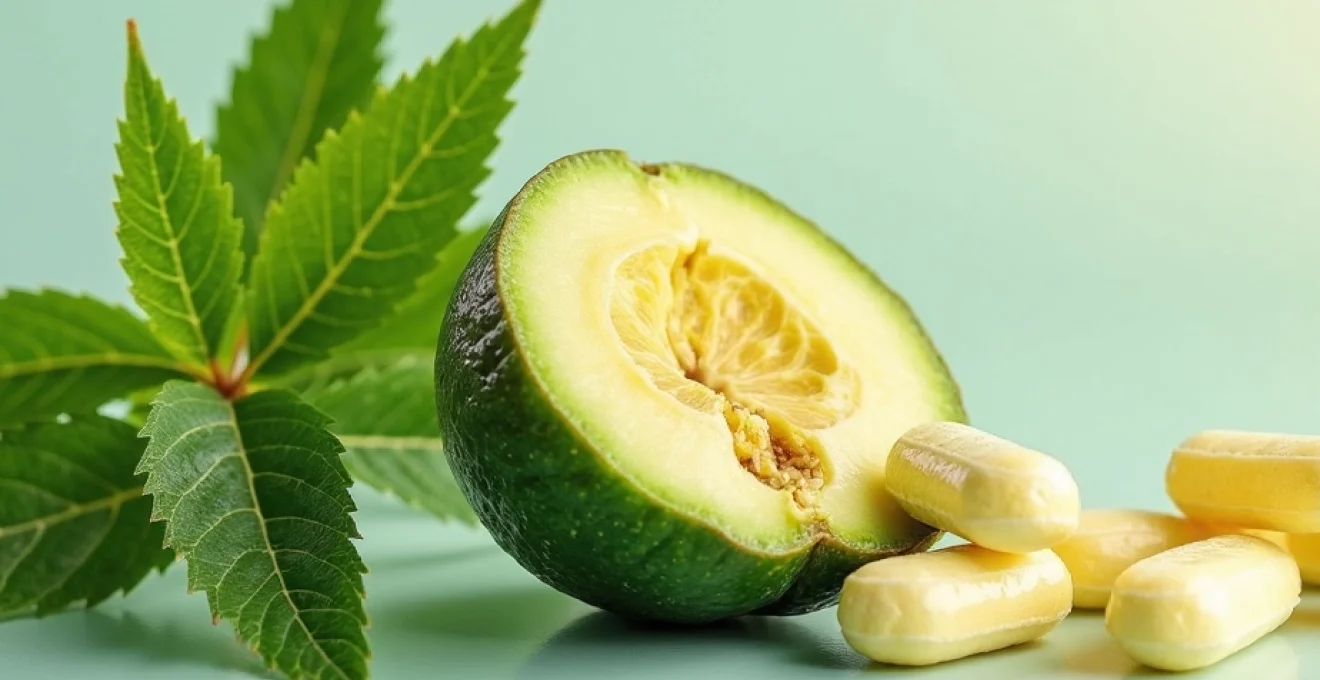
Helicobacter pylori infections affect approximately 50% of the global population, with many individuals seeking natural alternatives to conventional antibiotic therapies. Mastic gum, derived from the Pistacia lentiscus tree native to the Greek island of Chios, has emerged as a compelling therapeutic option for H. pylori eradication. This ancient remedy, used medicinally for over 2,500 years, demonstrates remarkable bactericidal activity against H. pylori strains whilst offering a gentler approach to treatment. Clinical studies reveal that the duration and dosage of mastic gum therapy significantly influence treatment outcomes, with protocols ranging from 14 days to several months depending on infection severity and individual patient factors.
Mastic gum dosage protocols for helicobacter pylori eradication
Establishing the correct dosage protocol for mastic gum therapy requires careful consideration of the pure mastiha content, individual patient characteristics, and treatment objectives. Research indicates that therapeutic efficacy depends primarily on achieving adequate concentrations of active compounds in the gastric environment, rather than simply following standardised dosing recommendations.
Standard 1000mg daily dosing regimen for active H. pylori infections
The most commonly researched protocol involves administering 1000-1600mg of pure mastic gum daily for active H. pylori infections. This dosage range has demonstrated consistent bactericidal activity across multiple clinical trials. Pure Chios mastic gum at 1200mg daily, divided into three doses, achieved H. pylori eradication rates of approximately 30% in monotherapy studies. Higher doses of 1600mg daily have shown improved efficacy, particularly in treatment-resistant cases. You should calculate dosages based on the actual mastic content rather than total capsule weight, as many supplements contain additives that reduce the active ingredient concentration.
Split-dose administration: 500mg twice daily vs single daily intake
Dividing the daily mastic gum dose into multiple administrations appears to enhance therapeutic outcomes compared to single-dose regimens. Studies comparing 500mg twice daily versus 1000mg once daily revealed superior H. pylori suppression with the split-dose approach. The twice-daily protocol maintains more consistent gastric concentrations of active compounds throughout the day. Optimal timing involves administering doses approximately 8-12 hours apart, typically with morning and evening meals. This scheduling approach maximises bioavailability whilst minimising potential gastric irritation associated with higher single doses.
Chios mastiha concentration requirements for therapeutic efficacy
Authentic Chios mastic gum contains specific concentrations of bioactive triterpenes, particularly masticadienonic acid and isomasticadienonic acid, which contribute to its antimicrobial properties. Therapeutic efficacy requires mastic gum with verified authenticity certification from recognised Greek producers. Substandard or adulterated products may contain insufficient concentrations of active compounds, leading to treatment failure. You should verify that your mastic gum supplement contains at least 95% pure Pistacia lentiscus resin from Chios. Laboratory analysis reveals that genuine Chios mastiha demonstrates superior H. pylori inhibition compared to mastic gum from other geographical regions.
Bioavailability optimisation through pre-meal vs post-meal timing
The timing of mastic gum administration relative to meals significantly affects absorption and therapeutic efficacy. Pre-meal administration, typically 30-60 minutes before eating, allows direct contact between active compounds and H. pylori bacteria in the gastric environment. However, some individuals experience gastric discomfort with empty-stomach dosing. Post-meal administration reduces gastric irritation but may compromise bioavailability due to food interference. Optimal compromise involves taking mastic gum with a small amount of food or immediately before meals to balance efficacy with tolerability. You should monitor your individual response and adjust timing accordingly whilst maintaining consistent daily administration schedules.
Treatment duration guidelines based on H. pylori bacterial load
The duration of mastic gum therapy varies considerably based on initial bacterial load, infection chronicity, and individual patient factors. Understanding these variables enables you to develop realistic treatment expectations and optimise therapeutic outcomes through appropriately timed interventions.
14-day initial treatment protocol for newly diagnosed infections
Newly diagnosed H. pylori infections often respond to 14-day mastic gum protocols, particularly when bacterial loads remain relatively low. Clinical studies demonstrate that 350mg three times daily for 14 days achieves eradication rates of approximately 30% in treatment-naive patients. This short-term approach serves as an initial assessment of individual responsiveness to mastic gum therapy. Treatment success depends heavily on infection duration, with recent infections showing superior eradication rates compared to chronic cases. You should consider 14-day protocols as a first-line approach for newly diagnosed infections, with provisions for extended treatment if initial testing reveals persistent bacterial presence.
Extended 28-day regimens for Antibiotic-Resistant H. pylori strains
Antibiotic-resistant H. pylori strains require extended mastic gum treatment protocols to achieve meaningful eradication rates. Research indicates that 28-day regimens using 1200-1600mg daily demonstrate improved efficacy against clarithromycin-resistant and multi-drug resistant strains. Extended therapy allows for cumulative antimicrobial effects whilst avoiding the resistance development associated with conventional antibiotics. The longer duration enables mastic gum’s anti-inflammatory properties to address underlying gastric mucosal damage that may harbour persistent bacterial populations. You should anticipate that resistant strains may require multiple treatment cycles with appropriate intervals between courses.
Studies reveal that mastic gum maintains consistent bactericidal activity against H. pylori strains that show resistance to standard antibiotic regimens, making extended protocols particularly valuable for treatment-experienced patients.
Maintenance therapy: 8-week Low-Dose protocols Post-Eradication
Post-eradication maintenance therapy using low-dose mastic gum protocols may prevent H. pylori recurrence whilst supporting gastric mucosal healing. Eight-week maintenance regimens typically employ 300-500mg daily, significantly lower than therapeutic eradication doses. This approach addresses the possibility of incomplete eradication whilst providing ongoing gastroprotective benefits. Maintenance protocols prove particularly valuable for individuals with high re-infection risk, such as those with household contacts or occupational exposure. You should consider maintenance therapy if you have experienced previous H. pylori recurrence or possess risk factors for reinfection.
Chronic gastritis management: 3-month cyclical treatment schedules
Chronic gastritis associated with persistent H. pylori infections often requires extended treatment schedules spanning several months. Three-month cyclical protocols involving 6-8 weeks of active treatment followed by 2-4 week intervals demonstrate sustained improvements in gastric inflammation markers. These extended regimens address both bacterial eradication and gastric mucosal repair through mastic gum’s anti-inflammatory properties. Cyclical scheduling prevents treatment fatigue whilst maintaining therapeutic pressure on persistent bacterial populations. You should monitor inflammatory markers such as C-reactive protein and interleukin-6 levels to assess treatment progress during extended protocols.
Clinical monitoring parameters during mastic gum therapy
Effective monitoring during mastic gum therapy requires systematic assessment of treatment response using validated diagnostic methods. The timing and selection of monitoring parameters directly influence treatment decisions and long-term outcomes.
Urea breath test intervals for treatment response assessment
Urea breath testing provides the most reliable method for monitoring H. pylori eradication during mastic gum therapy. Initial baseline testing should occur before treatment commencement, with follow-up testing scheduled 4-6 weeks after completing the prescribed protocol. Intermediate testing at 2-week intervals during extended protocols can provide valuable insights into treatment progression. You should avoid proton pump inhibitors for at least 2 weeks before urea breath testing to prevent false-negative results. The carbon-13 urea breath test demonstrates superior accuracy compared to carbon-14 variants, particularly for monitoring partial bacterial suppression during ongoing treatment.
Gastric biopsy timing: pre-treatment vs 4-week post-completion
Gastric biopsy provides definitive evidence of H. pylori presence and enables assessment of associated gastric mucosal changes. Pre-treatment biopsy establishes baseline bacterial density and identifies histological abnormalities such as gastric atrophy or intestinal metaplasia. Post-treatment biopsy timing remains critical, with 4-6 weeks post-completion representing the optimal interval for accurate assessment. Earlier testing may detect viable but metabolically inactive bacteria, leading to false-positive results. You should coordinate biopsy timing with endoscopic procedures when possible to minimise procedural burden whilst obtaining comprehensive diagnostic information.
Serum H. pylori IgG antibody titre monitoring protocols
Serum IgG antibody titres provide supplementary information about H. pylori exposure and treatment response, though interpretation requires careful consideration of individual immune responses. Antibody levels typically remain elevated for months following successful eradication, limiting their utility for immediate post-treatment assessment. Serial monitoring over 6-12 month intervals can demonstrate declining titres indicative of successful eradication. You should interpret antibody results in conjunction with other diagnostic methods rather than relying on serology alone for treatment decisions. Individuals with immunocompromised states may demonstrate atypical antibody responses requiring alternative monitoring strategies.
Stool antigen testing schedule for treatment verification
Stool antigen testing offers a non-invasive alternative for monitoring treatment response, particularly suitable for individuals requiring frequent assessment. Testing should commence 4 weeks after completing mastic gum protocols to ensure accurate results. Stool antigen persistence may indicate incomplete eradication requiring extended or intensified treatment regimens. You should ensure proper sample collection and storage to maintain test accuracy, with specimens processed within 24-48 hours of collection when possible. Sequential stool antigen testing provides valuable trend information about bacterial load reduction during extended treatment protocols.
Contraindications and treatment discontinuation criteria
Certain medical conditions and circumstances warrant caution or contraindicate mastic gum therapy for H. pylori eradication. Pregnancy and breastfeeding represent absolute contraindications due to insufficient safety data in these populations. Individuals with known allergies to Pistacia species should avoid mastic gum entirely. Severe gastroparesis may impair mastic gum absorption and efficacy, requiring alternative treatment approaches. You should discontinue treatment if you experience persistent gastric bleeding, severe abdominal pain, or signs of gastric obstruction. Regular monitoring becomes essential for individuals with pre-existing gastric ulcers or a history of gastric perforation.
Treatment discontinuation should occur immediately if severe allergic reactions develop, including respiratory distress, widespread skin reactions, or systemic anaphylaxis.
Concurrent use of anticoagulant medications requires careful monitoring, as mastic gum may enhance bleeding risk through platelet aggregation effects. Drug interactions remain relatively uncommon but warrant consideration in polypharmacy situations. You should inform your healthcare provider about all medications and supplements before commencing mastic gum therapy. Hepatic impairment may affect mastic gum metabolism, though specific dosage adjustments have not been established through clinical research.
Combination therapy integration with triple and quadruple regimens
Integrating mastic gum with conventional antibiotic regimens may enhance eradication rates whilst reducing antibiotic-associated side effects. Triple therapy combinations incorporating mastic gum, proton pump inhibitors, and single antibiotics demonstrate promising results in preliminary studies. Quadruple regimens adding mastic gum to standard bismuth-based protocols may overcome antibiotic resistance patterns whilst providing additional gastroprotective benefits. You should discuss combination approaches with your healthcare provider, particularly if previous eradication attempts have failed or if you harbour antibiotic-resistant bacterial strains.
Sequential therapy protocols incorporating mastic gum during the second phase may improve eradication rates compared to standard sequential regimens. The anti-inflammatory properties of mastic gum complement the antimicrobial effects of conventional antibiotics whilst supporting gastric mucosal healing. Combination timing requires careful coordination to optimise synergistic effects between natural and pharmaceutical agents. You should maintain consistent dosing schedules for all components of combination regimens to maximise therapeutic potential.
Post-treatment surveillance and H. pylori recurrence prevention
Long-term surveillance following successful H. pylori eradication remains essential for detecting recurrence and monitoring gastric health. Annual screening using urea breath testing or stool antigen analysis enables early detection of reinfection or recrudescence. Recurrence rates following mastic gum monotherapy may exceed those seen with antibiotic regimens, necessitating more frequent monitoring during the first two years post-treatment. You should maintain awareness of H. pylori risk factors, including household transmission, contaminated water sources, and occupational exposures that may predispose to reinfection.
Gastric mucosal healing continues for months following successful H. pylori eradication, with mastic gum’s anti-inflammatory properties potentially supporting this recovery process. Extended low-dose mastic gum supplementation may provide ongoing gastroprotection whilst reducing recurrence risk. Dietary modifications supporting gastric health, including increased consumption of foods with natural antimicrobial properties, complement post-treatment surveillance strategies. You should schedule regular gastroenterological follow-up to monitor for complications such as gastric atrophy progression or the development of premalignant changes requiring enhanced surveillance protocols.