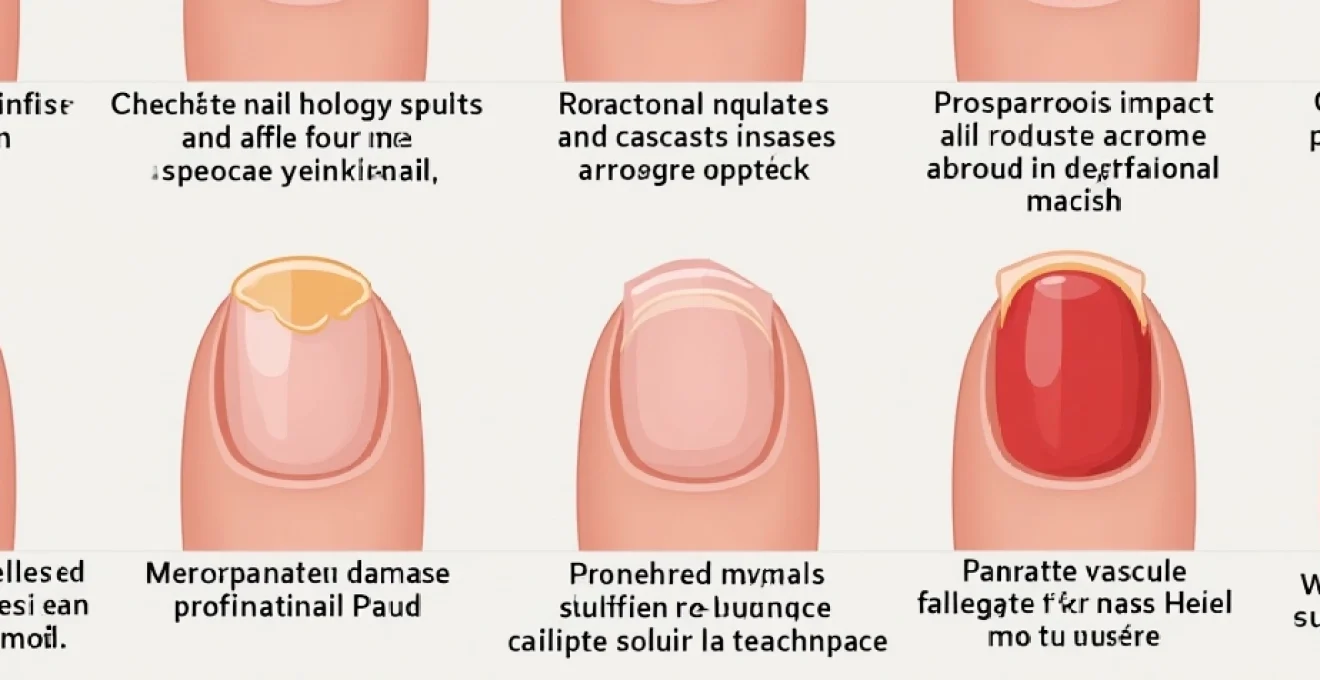
The human nail structure represents one of the body’s most remarkable regenerative systems, capable of completely rebuilding itself following damage or loss. Whether you’ve experienced a traumatic injury, undergone surgical nail removal, or suffered from a severe infection, understanding the intricate processes behind nail regeneration can provide both reassurance and realistic expectations for recovery. The ability of fingernails to regrow stems from specialized cellular structures that continue functioning even after complete nail loss, making regeneration possible in most circumstances.
Nail regeneration involves complex biological mechanisms that operate continuously throughout your lifetime. Unlike other body tissues that may have limited regenerative capacity, the nail matrix maintains its proliferative potential well into advanced age, though growth rates may slow considerably. This remarkable regenerative ability has fascinated medical researchers for decades, leading to significant advances in understanding how to optimize recovery outcomes following nail trauma or disease.
Nail matrix biology and regenerative mechanisms
The nail matrix serves as the foundational factory for nail production, housing specialized cells responsible for generating the keratinous structures we recognize as fingernails. This anatomical region, located beneath the proximal nail fold and extending under the nail plate, contains two distinct zones: the germinal matrix and the sterile matrix. The germinal matrix contributes approximately 90% of nail growth, while the sterile matrix provides the remaining 10% and plays a crucial role in maintaining nail bed adherence.
Keratinocyte proliferation in the nail matrix
Keratinocyte cells within the nail matrix undergo rapid proliferation, producing an estimated 196 cellular layers that eventually form each complete nail plate. These specialized cells demonstrate unique characteristics compared to keratinocytes found elsewhere in the body, maintaining consistent proliferative activity without the rest periods observed in hair follicles. The proliferation rate varies based on factors including age, nutritional status, hormonal influences, and overall health conditions.
Matrix keratinocytes respond to various growth factors and signaling molecules that regulate their division and differentiation. Research indicates that certain proteins, including bone morphogenetic proteins and Wnt signaling pathways, play critical roles in maintaining matrix cell activity. When the matrix remains intact following nail loss, these cellular mechanisms continue functioning, ensuring successful regeneration occurs within predictable timeframes.
Onychoblast cell differentiation processes
Onychoblasts represent the specialized precursor cells that differentiate into mature nail plate components. These cells undergo a carefully orchestrated transformation process, gradually losing their nuclei and cellular organelles while accumulating high concentrations of keratin proteins. The differentiation process occurs in distinct phases, beginning with cell migration from the matrix toward the nail bed surface.
During differentiation, onychoblasts produce specific keratin types, particularly K31, K32, K33, K34, and K85, which provide the nail plate with its characteristic hardness and durability. This process takes several weeks to complete, explaining why newly formed nail tissue initially appears softer and more pliable than mature nail material. Environmental factors and systemic health conditions can influence onychoblast differentiation, potentially affecting the quality and appearance of regenerated nails.
Nail plate formation through cornification
Cornification represents the final stage of nail formation, during which differentiated onychoblasts transform into the hard, protective nail plate structure. This process involves extensive cross-linking of keratin filaments and the formation of disulfide bonds that provide structural integrity. The cornification process occurs gradually as cells move distally from the matrix, creating the characteristic gradient of hardness observed from the nail root to the free edge.
The cornification process can be influenced by various factors, including protein availability, sulfur-containing amino acid levels, and trace element concentrations. Nutritional deficiencies, particularly in biotin, zinc, and iron, can disrupt normal cornification patterns, resulting in brittle, weak, or malformed nail plates. Understanding these requirements becomes particularly important when optimizing conditions for nail regeneration following loss or damage.
Growth rate variations across digit positions
Fingernail growth rates demonstrate significant variation depending on digit position, with the middle finger typically exhibiting the fastest growth and the thumb showing the slowest. Research indicates that fingernails grow at an average rate of 3.4 millimeters per month, though individual variation ranges from 2.5 to 4.5 millimeters monthly. These differences correlate with digit length, blood supply, and mechanical stimulation patterns.
Age significantly impacts growth rates, with nail growth slowing by approximately 0.5% per year after age 25. Dominant hand fingernails typically grow slightly faster than non-dominant hand nails, likely due to increased mechanical stimulation and enhanced blood circulation. Seasonal variations also occur, with faster growth rates observed during warmer months and slower growth during winter periods, possibly related to temperature effects on circulation and metabolic activity.
Complete nail loss scenarios and regrowth potential
Complete nail loss, medically termed onycholysis or onychoptosis , can result from various causes including trauma, infection, chemical exposure, or surgical intervention. The regenerative potential following complete nail loss depends primarily on the integrity of the underlying nail matrix and nail bed structures. When these foundational tissues remain undamaged, complete nail regeneration typically occurs within 4-6 months for fingernails, representing one of the most predictable regenerative processes in human biology.
The initial response to complete nail loss involves a protective inflammatory phase, during which the exposed nail bed develops a temporary keratinous covering to prevent infection and mechanical damage. This protective layer gradually thickens while new nail material begins emerging from the intact matrix. The regeneration process follows a consistent pattern, with the new nail initially appearing thin and translucent before gradually developing normal thickness and opacity over subsequent months.
Traumatic avulsion recovery timelines
Traumatic nail avulsion, whether partial or complete, initiates a complex healing cascade that determines regeneration success. The severity and location of matrix damage significantly influence recovery timelines, with proximal matrix injuries generally requiring longer healing periods. Following traumatic avulsion, the nail bed undergoes reactive changes including increased vascularity and cellular proliferation to support the regenerative process.
Recovery timelines vary considerably based on injury severity and individual healing capacity. Minor avulsions affecting only the distal nail may regenerate within 2-3 months, while complete avulsions involving matrix damage can require 6-12 months for full recovery. Age plays a crucial role, with younger individuals typically demonstrating faster regeneration rates due to enhanced cellular metabolic activity and better circulatory function.
Chemical burns and caustic damage assessment
Chemical exposure represents a particularly challenging scenario for nail regeneration, as caustic substances can cause deep tissue damage extending into the matrix and nail bed. The extent of chemical damage often becomes apparent only after several weeks, when the full depth of tissue necrosis manifests. Alkaline substances typically cause more severe damage than acidic compounds, often resulting in permanent matrix scarring and compromised regeneration capacity.
Assessment of chemical damage requires careful monitoring over extended periods, as initial appearances can be misleading. Early intervention with appropriate neutralization and wound care significantly improves regeneration outcomes. Professional evaluation becomes essential when chemical exposure involves the proximal nail area, as matrix damage may not be immediately apparent but can permanently compromise regenerative potential.
Surgical nail removal Post-Procedure healing
Surgical nail removal, or onychectomy , involves controlled removal of nail tissue while preserving maximum matrix integrity. This procedure offers the most predictable regeneration outcomes when performed correctly, as surgical technique can minimize matrix trauma and optimize healing conditions. Post-surgical care protocols significantly influence regeneration quality and timeline, with proper wound management preventing complications that could impair matrix function.
Following surgical removal, the healing process typically progresses through distinct phases: initial wound healing (1-2 weeks), matrix reactivation (2-4 weeks), and active nail production (4-24 weeks). Adherence to post-operative care instructions, including keeping the area clean and protected, significantly impacts regeneration success. Most patients experience complete nail regeneration within 4-6 months following properly performed surgical removal procedures.
Infection-related nail loss regeneration
Severe infections can cause complete nail loss through direct tissue destruction or secondary inflammatory responses that compromise matrix function. Fungal infections, bacterial paronychia, and viral conditions can all potentially result in nail loss, though the mechanisms and regeneration potential differ significantly between infection types. Successful regeneration following infection-related nail loss requires complete pathogen eradication and restoration of normal tissue architecture.
Chronic infections pose particular challenges for regeneration, as ongoing inflammatory processes can create permanent matrix scarring.
Research indicates that fungal infections affecting the matrix can reduce regeneration capacity by up to 40%, even after successful antifungal treatment.
Early intervention with appropriate antimicrobial therapy significantly improves regeneration outcomes and reduces the risk of permanent nail deformity or loss.
Partial nail damage and regrowth patterns
Partial nail damage presents unique regeneration challenges, as the remaining nail tissue can influence growth patterns and potentially interfere with normal regeneration processes. The location and extent of partial damage determine whether the affected area will regenerate normally or develop permanent abnormalities. Longitudinal splits extending into the matrix often result in permanent nail ridging, while transverse damage typically heals without long-term consequences.
The regeneration pattern following partial nail damage depends on several factors including the depth of matrix involvement, the presence of remaining nail plate tissue, and the adequacy of blood supply to the affected area. In many cases, partial damage results in temporary nail abnormalities that gradually improve as new nail tissue replaces the damaged portions. However, deep matrix injuries can create permanent growth disturbances that persist despite otherwise successful healing.
Managing partial nail damage requires careful assessment of the injury depth and potential for complications. Conservative management with protective measures often yields excellent results for superficial damage, while deeper injuries may benefit from surgical intervention to optimize regeneration outcomes. The decision between conservative and surgical management should consider factors including pain levels, infection risk, functional impairment, and cosmetic concerns.
Medical conditions affecting nail regeneration
Various systemic and localized medical conditions can significantly impact nail regeneration capacity, either by directly affecting matrix function or by altering the cellular environment necessary for normal growth. Understanding these conditions becomes crucial when assessing regeneration potential and developing realistic treatment expectations. Some conditions create temporary regeneration impairment, while others can cause permanent changes in nail growth patterns and quality.
Onychomycosis impact on growth recovery
Onychomycosis, or fungal nail infection, represents one of the most common conditions affecting nail regeneration. The fungal organisms invade nail tissue and underlying structures, creating inflammatory responses that can disrupt normal matrix function. Chronic infections often result in matrix scarring and permanent alterations in nail architecture, even after successful antifungal treatment eliminates the infection.
The impact of onychomycosis on regeneration varies depending on the specific fungal species involved, infection duration, and host immune response. Dermatophyte infections typically cause less permanent damage than non-dermatophyte mold infections, which can create extensive matrix destruction. Treatment success rates improve significantly when antifungal therapy begins early in the infection course, before extensive matrix damage occurs.
Recovery following successful onychomycosis treatment often requires 12-18 months for complete nail regeneration, as infected tissue must be entirely replaced by new growth. During this period, the regenerating nail may demonstrate temporary abnormalities including irregular thickness, surface ridging, or discoloration. These abnormalities typically resolve as healthy nail tissue replaces the previously infected areas.
Psoriatic nail disease regeneration challenges
Psoriatic nail disease affects approximately 50% of individuals with psoriasis, creating significant challenges for normal nail regeneration. The autoimmune inflammatory processes characteristic of psoriasis can affect all components of the nail unit, including the matrix, nail bed, and surrounding soft tissues. This widespread involvement often results in complex regeneration patterns that may not respond to standard treatments.
Nail psoriasis manifestations include pitting, onycholysis, subungual hyperkeratosis, and oil drop changes, all of which can interfere with normal regeneration processes. The inflammatory environment associated with psoriasis can slow regeneration rates by 20-30% compared to normal conditions. Additionally, the chronic nature of psoriatic inflammation can create permanent structural changes that persist even during disease remission periods.
Treatment of psoriatic nail disease requires comprehensive management addressing both the systemic condition and localized nail manifestations. Topical corticosteroids, vitamin D analogs, and systemic immunosuppressive agents can improve regeneration outcomes, though complete normalization may take 12-18 months even with optimal treatment. The regeneration timeline often correlates with overall psoriasis control, emphasizing the importance of comprehensive disease management.
Lichen planus effects on matrix function
Lichen planus affecting the nail unit can cause severe matrix damage and permanent regeneration impairment. This inflammatory condition often involves the proximal nail matrix, creating scarring that can result in permanent nail deformity or complete nail loss. The inflammatory process associated with lichen planus can destroy matrix cells and create fibrotic tissue that lacks regenerative capacity.
Nail lichen planus presents unique diagnostic and treatment challenges, as early intervention becomes crucial for preserving regenerative potential. Once significant matrix scarring occurs, regeneration capacity may be permanently compromised, resulting in absent or severely deformed nails.
Studies indicate that early aggressive treatment of nail lichen planus can preserve regenerative function in up to 80% of cases, compared to less than 30% when treatment is delayed.
The regeneration pattern following nail lichen planus varies considerably depending on the extent of matrix involvement and treatment response. Mild cases may demonstrate complete regeneration within 6-8 months, while severe cases with extensive matrix scarring may show minimal or no regeneration despite optimal treatment. Long-term monitoring becomes essential, as regeneration patterns may continue evolving for 12-24 months following initial treatment.
Peripheral vascular disease growth limitations
Peripheral vascular disease significantly impacts nail regeneration through reduced blood supply to the nail unit structures. Inadequate circulation limits nutrient delivery and waste removal, creating an environment that cannot support normal cellular proliferation and differentiation processes. The impact becomes particularly pronounced in individuals with diabetes or other conditions that further compromise circulation.
Regeneration rates in individuals with peripheral vascular disease can be reduced by 40-60% compared to normal conditions, with some cases demonstrating minimal or absent regeneration capacity. The regeneration quality may also be compromised, resulting in thin, brittle, or malformed nails even when growth occurs. Assessment of vascular status becomes crucial when evaluating regeneration potential following nail loss in older adults or individuals with known circulatory conditions.
Optimization of vascular status through medical management, exercise, and lifestyle modifications can improve regeneration outcomes in some cases. However, severe vascular compromise may create permanent limitations in regenerative capacity that cannot be overcome through local treatments alone. Realistic expectations become important when counseling patients with significant vascular disease about regeneration potential and timelines.
Clinical nail regrowth timeline expectations
Understanding realistic timelines for nail regeneration helps establish appropriate expectations and monitoring schedules for individuals experiencing nail loss. The regeneration process follows predictable phases, though individual variation can significantly impact specific timelines. Factors influencing regeneration speed include age, overall health status, nutritional adequacy, local blood supply, and the presence of concurrent medical conditions affecting wound healing.
The initial phase of regeneration typically begins 2-4 weeks after nail loss, when new nail material first becomes visible emerging from the matrix. This early nail tissue appears thin and translucent, gradually thickening over subsequent weeks. The nail reaches approximately 50% of normal thickness by 8-12 weeks and achieves full thickness by 16-20 weeks in most cases.
Complete functional regeneration, including normal hardness and durability, typically requires 20-24 weeks for fingernails and 12-18 months for toenails. However, cosmetic appearance may continue improving for several additional months as the nail surface smooths and normal translucency develops. Monitoring regeneration progress through regular assessments helps identify potential complications early and adjust treatment approaches when necessary.
<tr
</tr| Regeneration Phase | Timeline | Characteristics |
|---|---|---|
| Initial emergence | 2-4 weeks | Thin, translucent tissue |
| Early growth | 4-8 weeks | Gradual thickening begins |
| Mid-phase development | 8-16 weeks | 50-75% normal thickness |
Realistic timeline expectations must account for individual variation and potential complications that can extend regeneration periods. Factors such as advanced age, diabetes, circulatory disorders, or concurrent infections can double or triple normal regeneration timelines. Patient education regarding these extended timelines prevents disappointment and encourages adherence to treatment protocols during lengthy recovery periods.
Monitoring regeneration progress requires regular assessment intervals, typically every 2-4 weeks during active growth phases. Healthcare providers evaluate nail thickness, surface quality, adherence to the nail bed, and overall growth rate during these assessments. Deviation from expected regeneration patterns may indicate complications requiring intervention, such as infection, matrix damage, or systemic health issues affecting wound healing capacity.
Professional treatment options for enhanced regrowth
Professional medical intervention can significantly improve nail regeneration outcomes, particularly in complex cases involving matrix damage, chronic infections, or systemic conditions affecting healing capacity. Advanced treatment modalities target specific aspects of the regeneration process, from optimizing cellular proliferation to managing complications that impair normal growth patterns. The selection of appropriate treatment approaches depends on careful assessment of individual patient factors and regeneration challenges.
Topical growth factors represent an emerging treatment category that can accelerate nail regeneration by stimulating matrix cellular activity. Platelet-derived growth factor (PDGF) and epidermal growth factor (EGF) formulations have shown promise in clinical studies, reducing regeneration timelines by 20-30% in some cases. These treatments work by enhancing cellular proliferation rates and improving the quality of regenerated nail tissue through optimized protein synthesis pathways.
Surgical matrix reconstruction offers solutions for cases involving significant matrix scarring or structural damage that impairs normal regeneration. Techniques include matrix grafting, scar tissue removal, and nail bed reconstruction procedures that restore normal anatomical relationships. These interventions require specialized expertise and carry risks including infection, bleeding, and potential failure of reconstruction attempts, making careful patient selection crucial for optimal outcomes.
Advanced laser therapy protocols can stimulate cellular activity within the nail matrix while simultaneously treating underlying conditions such as fungal infections that may impair regeneration capacity.
Nutritional optimization protocols address deficiencies that commonly impair nail regeneration, including biotin, iron, zinc, and protein inadequacies. Professional assessment can identify specific deficiencies through laboratory testing, allowing targeted supplementation that supports optimal regeneration conditions. Studies indicate that comprehensive nutritional support can improve regeneration rates by 15-25% while enhancing the quality and durability of regenerated nail tissue.
Antimicrobial management becomes essential when infections complicate the regeneration process or threaten matrix integrity. Professional treatment protocols may include topical antifungal agents, systemic antibiotics, or combination therapies targeting specific pathogens. Early aggressive treatment of nail unit infections significantly improves regeneration outcomes and prevents permanent matrix damage that could compromise future growth capacity.
Physical therapy and mechanical stimulation techniques can enhance blood circulation to the nail unit, supporting optimal regeneration conditions. These approaches include massage protocols, vibration therapy, and controlled mechanical stimulation that promotes cellular activity within the matrix. While research in this area remains limited, preliminary studies suggest that regular mechanical stimulation can reduce regeneration timelines by 10-15% in selected cases.
Protective devices and specialized dressings play crucial roles in optimizing regeneration environments while preventing complications that could impair healing. Professional-grade wound care products, custom protective devices, and specialized nail covers can maintain optimal moisture levels, prevent mechanical trauma, and reduce infection risks during vulnerable regeneration phases. The selection and application of these devices requires professional expertise to ensure proper fit and function throughout the extended regeneration period.