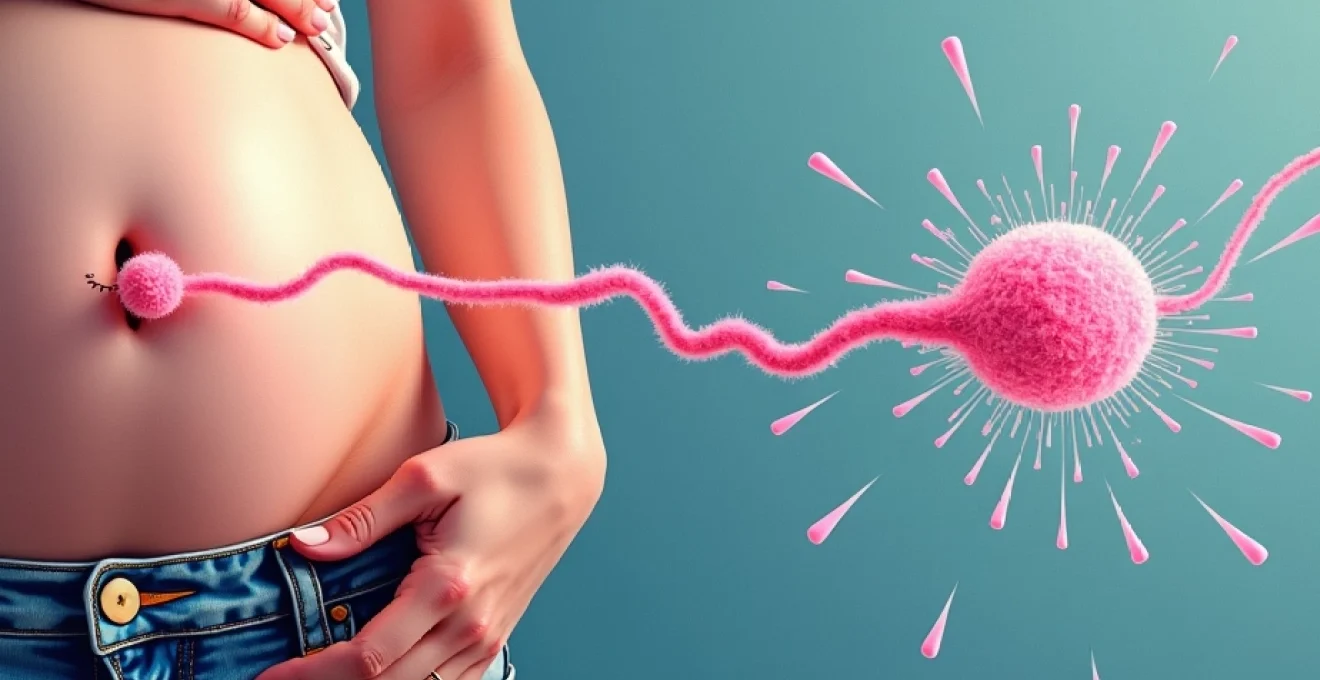
The question of whether sperm can penetrate through clothing layers represents a significant concern in reproductive health discussions. This topic generates considerable confusion amongst individuals seeking to understand fertility risks during various forms of intimate contact. The complexity arises from numerous variables including fabric composition, moisture levels, and the biological characteristics of spermatozoa themselves. Understanding these factors becomes crucial for making informed decisions about contraception and pregnancy prevention.
Medical professionals frequently encounter questions regarding the transmission potential of sperm through textile barriers during clinical consultations. The scientific reality involves multiple interconnected biological and physical processes that determine whether conception remains possible under such circumstances. These considerations extend beyond simple yes-or-no answers, requiring examination of sperm viability, fabric permeability, and environmental conditions that influence reproductive outcomes.
Sperm cell viability and motility through textile barriers
Reproductive biology demonstrates that sperm cells possess remarkable characteristics designed specifically for navigating the female reproductive tract. However, their effectiveness diminishes dramatically when encountering physical barriers such as clothing fabrics. The journey from ejaculation to potential fertilisation requires optimal conditions that textile materials rarely provide.
Spermatozoa structural characteristics and size dimensions
Individual sperm cells measure approximately 50 micrometres in total length, with the head comprising roughly 5 micrometres. These microscopic dimensions initially suggest potential for fabric penetration, yet the cellular structure creates significant limitations. The flagellum, responsible for propulsion, requires specific environmental conditions to function effectively. When encountering textile fibres, the sperm’s swimming mechanism becomes severely compromised, reducing motility to negligible levels.
The acrosome cap contains enzymes designed for penetrating egg protective layers, not synthetic or natural fabric materials. This specialisation means sperm lack mechanisms for breaking through textile barriers efficiently. Additionally, the cellular membrane’s sensitivity to environmental changes makes sperm particularly vulnerable when exposed to fabric-related chemical treatments and dyes.
Sperm cell survival duration outside the male reproductive system
Environmental exposure dramatically reduces sperm viability within minutes rather than hours. Laboratory studies indicate that sperm cells begin losing motility immediately upon contact with air, with complete immobilisation occurring within 15-30 minutes under typical room conditions. Fabric absorption accelerates this process by removing moisture essential for cellular function.
Temperature fluctuations further compromise sperm survival rates outside the optimal 37°C body temperature range. Clothing materials rarely maintain the consistent warmth necessary for preserving sperm viability. The combination of temperature variation, moisture loss, and physical obstruction creates an inhospitable environment for sperm cell survival and movement.
Environmental factors affecting sperm viability in textile contact
Humidity levels play crucial roles in determining sperm longevity when contacting fabric surfaces. Low humidity environments cause rapid dehydration, whilst excessive moisture can dilute seminal fluid beyond functional concentrations. Fabric pH levels also influence sperm survival, as many textiles undergo chemical treatments that create acidic or alkaline conditions harmful to cellular integrity.
Air circulation through clothing materials introduces additional challenges for sperm preservation. The constant airflow accelerates moisture evaporation and temperature regulation, further reducing survival potential. These environmental factors work synergistically to create conditions highly unfavourable for sperm penetration through textile barriers.
Motility requirements for fabric penetration
Successful sperm penetration through any barrier requires sustained motility over extended periods. Fabric fibres create physical maze-like structures that demand extraordinary navigational capabilities from individual sperm cells. The energy requirements for such movement exceed normal sperm capacity, particularly when environmental conditions remain suboptimal.
Progressive motility, essential for fabric penetration, requires forward swimming motion at specific velocities. Research indicates that sperm need minimum swimming speeds of 25 micrometres per second for effective progression. Textile fibres disrupt this movement pattern, creating turbulent conditions that prevent coordinated advancement through fabric layers.
Textile fabric density and porosity analysis
Fabric construction fundamentally determines permeability characteristics that affect sperm transmission potential. Thread count, weave patterns, and fibre composition create varying levels of protection against cellular penetration. Understanding these technical specifications helps evaluate the effectiveness of different clothing materials as contraceptive barriers.
Cotton fabric weave patterns and thread count impact
Cotton fabrics demonstrate variable porosity depending on manufacturing specifications and thread count measurements. Standard cotton underwear typically features thread counts between 150-200 threads per square inch, creating pore sizes significantly larger than individual sperm cells. However, the tortuous pathway through fabric layers complicates direct size comparisons.
Plain weave patterns, common in basic cotton garments, create more uniform barrier properties compared to twill or satin weaves. The interlocking thread structure forms microscopic chambers that trap moisture and cellular material. Higher thread count cotton fabrics provide superior barrier protection due to reduced pore sizes and increased path complexity for potential sperm navigation.
Synthetic material permeability: polyester and nylon barriers
Synthetic fibres offer enhanced barrier properties compared to natural materials due to their uniform manufacturing processes. Polyester fabrics demonstrate lower porosity rates, whilst nylon materials provide additional moisture-wicking capabilities that accelerate sperm dehydration. The smooth synthetic fibre surfaces also reduce cellular adhesion potential.
Microfibre constructions, common in modern athletic wear, create particularly effective barriers against sperm transmission. These ultra-fine fibres produce dense fabric structures with minimal pore sizes. The manufacturing precision achievable with synthetic materials allows for consistent barrier effectiveness across different garment types and brands.
Underwear fabric specifications and protective effectiveness
Modern underwear construction incorporates multiple design elements that enhance protective capabilities beyond basic fabric properties. Elastic waistbands, reinforced seams, and multi-panel construction create additional barrier layers. The close-fitting nature of underwear also minimises gap formation that might compromise protection.
Moisture-wicking underwear fabrics demonstrate superior sperm neutralisation properties through rapid liquid absorption and dispersion. This technology, originally developed for athletic performance, inadvertently creates highly effective contraceptive barriers. The combination of synthetic materials and specialised treatments makes modern underwear particularly resistant to sperm penetration.
Denim and heavy fabric density measurements
Heavy-weight fabrics such as denim provide exceptional barrier protection due to their dense construction and multiple fabric layers. Standard denim weighs 12-16 ounces per square yard, creating substantial physical barriers against any cellular penetration. The tight weave patterns and heavy thread weights make sperm transmission virtually impossible.
Layered clothing systems exponentially increase barrier effectiveness through cumulative protection factors. Each additional fabric layer introduces new obstacles for sperm navigation whilst reducing environmental conditions necessary for cellular survival. The mathematical probability of sperm successfully navigating multiple clothing layers approaches zero under normal wearing conditions.
Scientific studies on sperm transmission through clothing
Peer-reviewed research examining sperm transmission through textile materials remains limited due to ethical considerations and practical research constraints. However, existing laboratory studies provide valuable insights into the biological and physical factors governing sperm-fabric interactions. These investigations utilise controlled environments to simulate real-world scenarios whilst maintaining scientific rigour.
Reproductive biology research demonstrates that sperm cells lose viability rapidly when removed from optimal physiological conditions. Studies measuring sperm survival on various surfaces consistently show dramatic motility reduction within minutes of environmental exposure. Fabric surfaces accelerate this decline through moisture absorption and chemical interaction with textile treatments.
Laboratory experiments using artificial seminal fluid and various fabric samples reveal negligible penetration rates across different material types. Research protocols involving microscopic analysis of fabric cross-sections after controlled exposure show minimal cellular presence beyond surface layers. These findings support theoretical predictions about barrier effectiveness based on physical and biological principles.
Comparative studies examining natural versus synthetic fabric performance consistently demonstrate superior barrier properties in manufactured materials. The controlled production processes for synthetic fibres create more predictable and reliable contraceptive effects. Scientific evidence strongly supports the effectiveness of clothing as a significant barrier against sperm transmission under normal wearing conditions.
Pre-ejaculatory fluid composition and penetration capacity
Pre-ejaculatory fluid, commonly known as pre-cum, presents different transmission characteristics compared to ejaculatory semen due to its altered composition and consistency. This clear secretion contains fewer sperm cells per unit volume, typically ranging from zero to several thousand compared to millions in ejaculatory fluid. However, the presence of any viable sperm cells maintains theoretical pregnancy potential.
The reduced viscosity of pre-ejaculatory fluid creates different fabric interaction patterns compared to thicker seminal plasma. Lower protein concentrations and altered pH levels may influence cellular survival rates and penetration capabilities. However, the decreased sperm concentration and volume significantly reduce transmission probability through textile barriers.
Research indicates that pre-ejaculatory fluid absorption into fabric occurs more readily than ejaculatory semen due to viscosity differences. This increased absorption rate paradoxically reduces transmission risk by dispersing cellular material across larger fabric areas. The dilution effect further compromises sperm viability and concentration necessary for successful fabric penetration.
Clinical studies examining pre-ejaculatory fluid composition show considerable individual variation in sperm content and cellular characteristics. Some individuals produce pre-ejaculatory fluid containing no viable sperm, whilst others maintain significant cellular concentrations. This biological variability complicates risk assessment but doesn’t alter the fundamental barrier properties of textile materials.
Pregnancy risk assessment in clothed sexual contact scenarios
Medical professionals evaluate pregnancy risk through comprehensive analysis of multiple factors including exposure duration, fabric characteristics, and individual biological variables. The assessment process requires consideration of both theoretical possibilities and practical probabilities based on clinical experience and scientific research.
Medical literature review on conception through fabric
Extensive review of medical literature reveals extremely rare documentation of pregnancy resulting from sperm transmission through clothing barriers. The few reported cases involve exceptional circumstances including prolonged intimate contact with minimal clothing barriers or compromised fabric integrity. These isolated incidents represent statistical outliers rather than common occurrences.
Gynaecological textbooks consistently describe clothing as effective barrier contraception when properly utilised. The medical consensus recognises that whilst theoretical transmission remains possible under extreme conditions, practical risk levels remain negligible for typical intimate encounters involving clothed participants. Clinical guidelines reflect this understanding through risk stratification protocols.
Documented cases of pregnancy from external ejaculation
Medical case reports documenting pregnancy from external ejaculation typically involve direct genital contact without textile barriers or compromised barrier integrity. Verified cases of conception through intact clothing remain extraordinarily rare and often involve unique circumstances that compromise normal barrier effectiveness.
The documentation process for such cases requires rigorous verification to eliminate other potential conception sources. Medical investigators must establish timeline consistency, barrier integrity, and absence of alternative exposure routes. The stringent verification requirements explain the scarcity of confirmed cases in medical literature despite widespread public concern about transmission risk.
Gynaecological expert opinions on transmission probability
Professional gynaecological societies maintain consistent positions regarding sperm transmission through clothing barriers. Expert consensus recognises the theoretical possibility whilst emphasising the extremely low probability under normal circumstances. Clinical recommendations focus on more reliable contraceptive methods for individuals seeking pregnancy prevention.
Fertility specialists regularly address patient concerns about accidental conception through clothed contact during consultations. Professional guidance typically emphasises education about reproductive biology whilst acknowledging legitimate concerns. The expert approach balances scientific accuracy with practical reassurance for anxious patients.
Contraceptive effectiveness and barrier method comparisons
Clothing barriers demonstrate varying effectiveness levels when compared to established contraceptive methods through standardised measurement criteria. Professional contraceptive research utilises Pearl Index calculations and typical-use failure rates to evaluate different barrier methods. These assessments provide quantitative frameworks for comparing protective capabilities across various approaches.
Traditional barrier contraceptives such as condoms achieve 85-98% effectiveness rates depending on usage consistency and technique quality. Clothing barriers lack comparable statistical analysis due to limited research focus and ethical constraints on controlled studies. However, theoretical effectiveness approaches condom reliability when multiple fabric layers remain intact throughout intimate encounters.
The reliability of clothing as contraceptive protection depends heavily on user behaviour and garment integrity maintenance. Unlike manufactured contraceptive devices, clothing lacks standardised protective specifications or quality control measures. This variability creates uncertainty about consistent protective performance that professional contraceptive methods avoid through rigorous testing protocols.
Medical professionals consistently recommend established contraceptive methods over reliance on clothing barriers for pregnancy prevention due to the controlled manufacturing and proven effectiveness of purpose-designed protective devices.
Cost-effectiveness analysis reveals clothing barriers offer significant economic advantages over commercial contraceptive products, particularly for individuals with limited healthcare access. However, the reliability trade-offs may offset economic benefits for individuals prioritising pregnancy prevention. Professional counselling helps balance these considerations based on individual circumstances and risk tolerance levels.
Integration of clothing barriers with other contraceptive methods creates enhanced protection through redundant safety systems. The layered approach combines the accessibility of textile barriers with the reliability of established contraceptive technologies. This comprehensive strategy maximises pregnancy prevention whilst maintaining practical implementation feasibility for diverse populations and circumstances.